
Pyeongtaek acne: causes of recurrence and management direction
Visible inflammation is the result — we look at what came before.
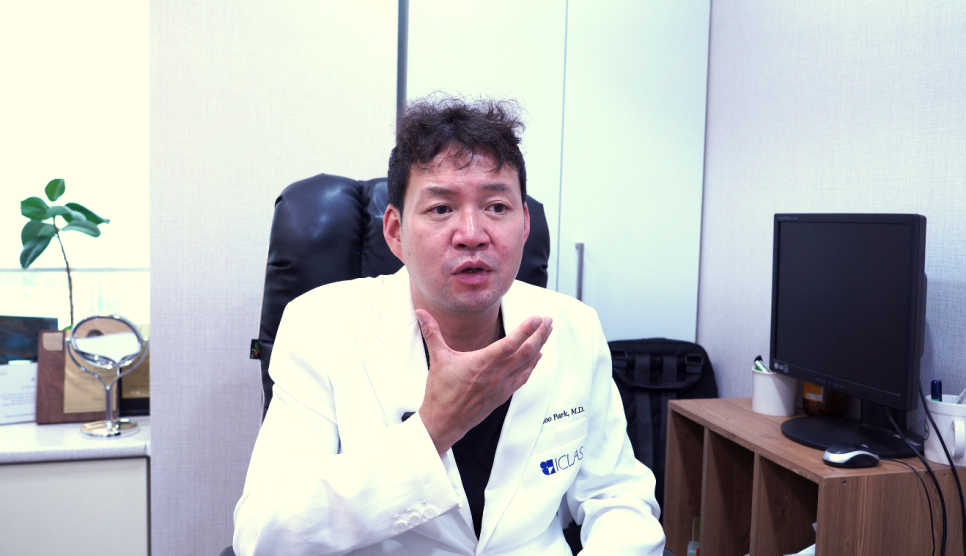
As the seasons change, the atmosphere in the Consultation Room shifts slightly. We see an increasing number of people visiting us because their acne, which had been quiet all summer, is flaring up again.
"I keep managing it, so why does it keep coming back in the same spot?"
This is the most common question we hear from patients visiting us in Pyeongtaek for acne. They've tried extractions, used highly-rated cosmetics, and it seemed fine for a while, but then it suddenly spreads again to the chin, cheeks, or forehead. Today, we'd like to briefly discuss this growing concern as the seasons change, from the perspective of its causes.
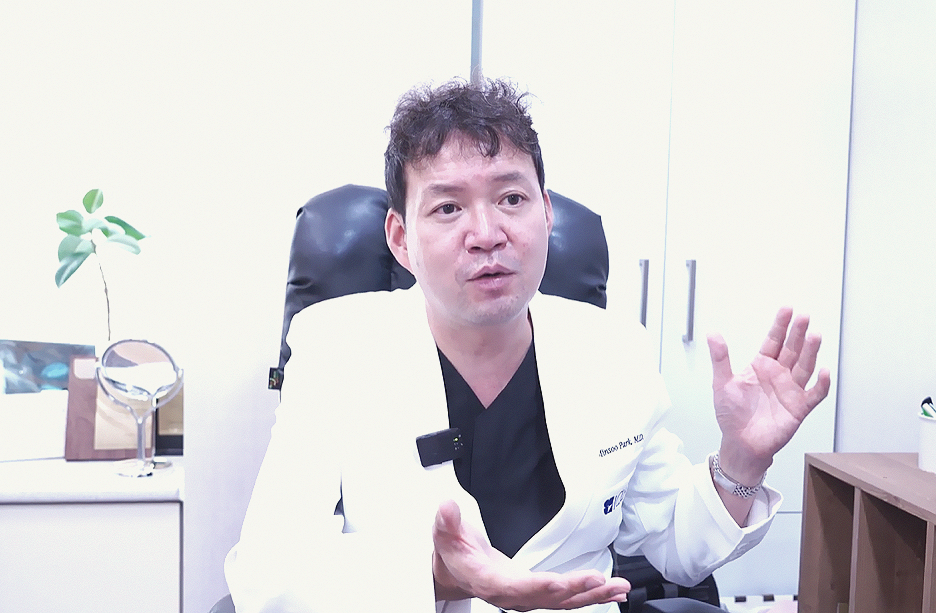
Adult Acne Cannot Be Explained by Sebum Alone
It's difficult to say that adult acne is simply caused by excessive sebum. In the Consultation Room, we often find that multiple factors are intertwined.
- Lack of sleep and irregular meals
- Repeated stress, excessive sugar intake
- Frequent mask-wearing and friction
- A compromised skin barrier
When these conditions overlap, the sebaceous glands and pore environment itself become unstable. That's why we often say that it's more important to first identify the cause of recurrence rather than just suppressing the current inflammation.
Visible Inflammation Is Actually a Result
Many people only see the red, swollen inflammation. However, changes often begin inside the skin. When sebum secretion increases and dead skin cells don't shed properly, the pore opening becomes blocked, and sebum and waste products accumulate inside, leading to inflammation.
It's easy to understand if you think of a drain. At first, the water drains a little slowly, but if it keeps accumulating, it eventually overflows. Similarly, if the skin's internal circulation isn't smooth, it can lead to recurrent troubles.
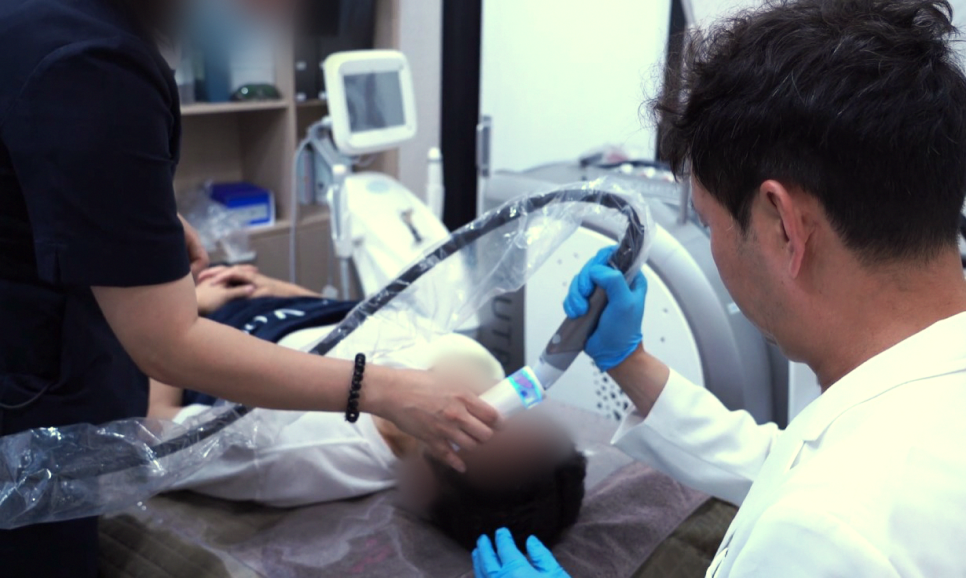
The Approach Is More Multifaceted Than You Might Think
Therefore, for acne in Pyeongtaek, rather than just repeating extractions, we approach it by considering the following four aspects together:
- Sebum secretion control
- Inflammation relief
- Skin turnover improvement
- Pore environment stabilization
In practice, there isn't just one method. The priority of the approach varies depending on the condition, but a general overview is summarized in the table below.
What we want to emphasize here is not "which device is best." The starting point needs to differ depending on whether the skin is inflammatory, primarily has small bumps, is dominated by red marks, or has a weakened barrier. Even if it looks like the same acne, if the cause is different, the management direction also changes. If you are curious about individual methods, you may also want to refer to Acne Treatment Guide and Skin & Laser Consultation Areas.
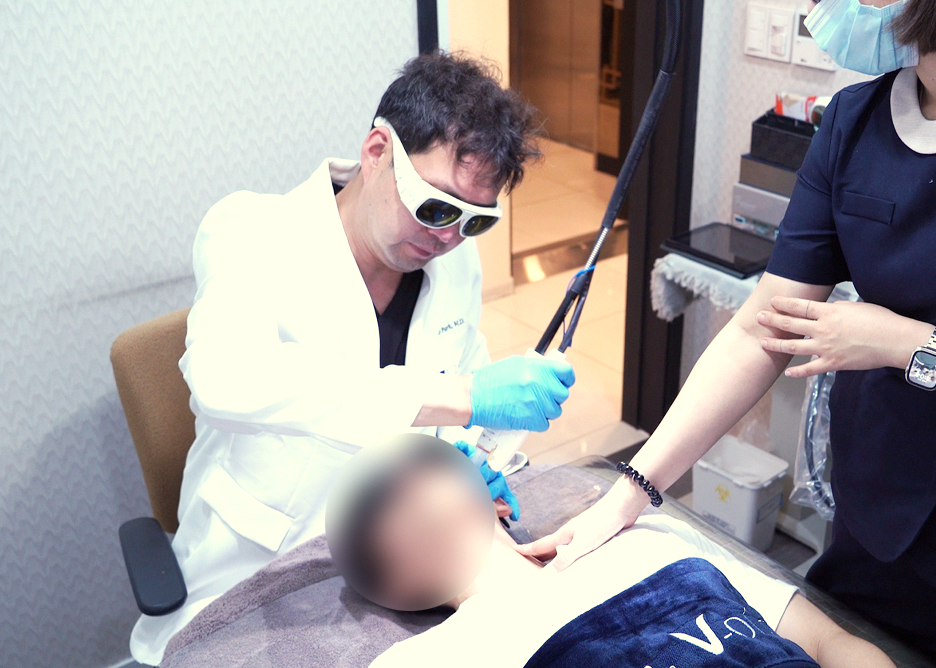
What to Expect and What to Be Cautious About
The first thing you can expect is that your skin condition will gradually stabilize. In the initial stages, you may first feel relief from red inflammation or pain, and some people experience changes in the form of longer intervals between new breakouts. It can also help to refine the skin texture with less irritation compared to repeatedly performing extractions.
However, downtime varies depending on the method, and there can be individual differences. Excessive extractions or strong irritation can actually increase the possibility of hyperpigmentation or scarring, so adjusting the intensity to suit your condition is important. If marks have already been left, we recommend consulting about Scar & Keloid Treatment as well.
One thing we must mention is that acne in Pyeongtaek is difficult to approach as "a one-time treatment." It is greatly influenced by lifestyle habits, so if late-night snacks, lack of sleep, frequent alcohol consumption, or excessive sugar intake continue, it is likely to recur. It's not for nothing that people say skin is an organ that reflects the results of one's lifestyle.
If you have accumulated questions, rather than repeatedly searching on your own, it's faster to first inquire about your current condition through Chat Consultation Now [blocked].
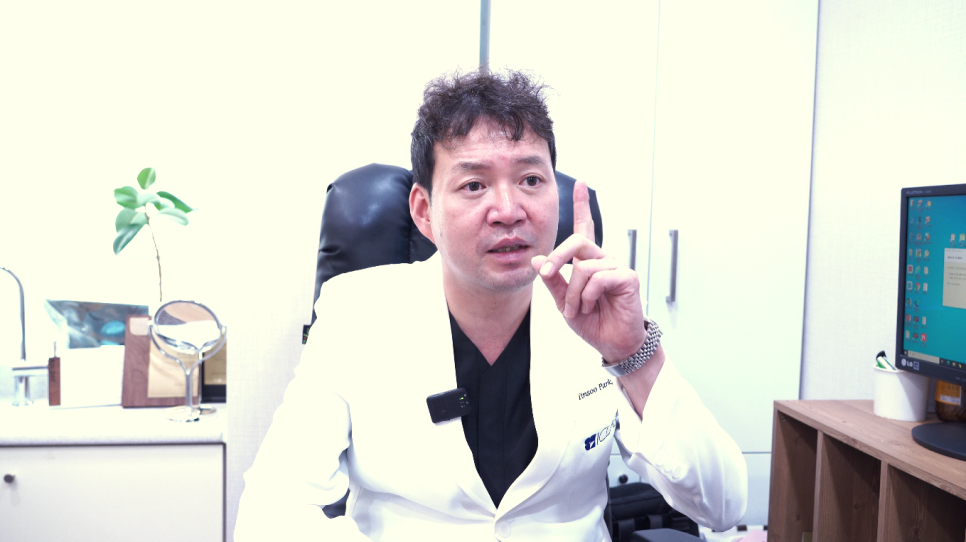
This Is the Order We Follow in the Consultation Room
The actual process is not simple. First, we check the skin condition, including the degree of inflammation, sebum amount, pore condition, presence of marks and scars, and sensitivity.
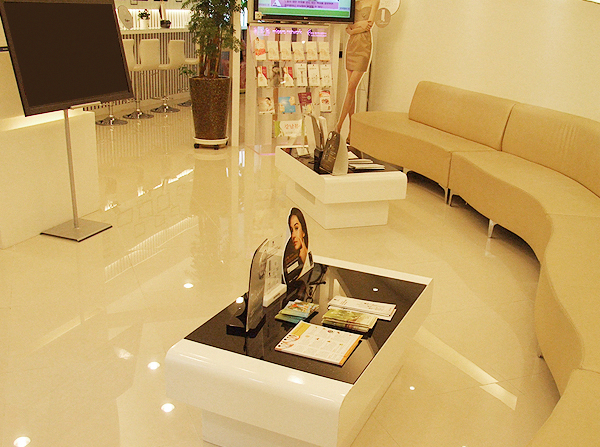
Then, we determine the direction according to the skin type. If inflammatory acne is severe, reducing irritation is a priority, and if small bumps recur, we focus on improving dead skin cell and sebum flow. When necessary, we combine extractions with light-based management, medication, and regenerative care, and after procedures, we often proceed with soothing care.
For example, there was a case of a working professional in their 20s-30s with frequent overtime and stress, irregular meals, and recurrent acne around the chin and mouth. They had repeatedly undergone extractions, which led to red marks and increased sensitivity. In such cases, we prioritize barrier recovery and inflammation control, along with sebum management and lifestyle habit improvement. Conversely, for oily skin with excessive sebum, we shift the focus to pore-clogging management. This means that even for the same acne in Pyeongtaek, the strategy changes depending on the cause.
Post-Procedure Care and Mindset
Immediately after treatment, the skin may be temporarily sensitive, so it's best to temporarily postpone excessive scrubbing or irritating cosmetics.
- Cleanse gently
- Moisturize sufficiently
- Sun Protection thoroughly
Frequently touching with hands or forcibly squeezing can deepen inflammation, so caution is needed. Redness may persist for the first few days, but it usually stabilizes over time.
Most importantly, we hope you don't look at your skin condition too impatiently. Acne is less about ending it in the short term and more about reducing recurrent causes and steadily stabilizing the skin environment itself. If you are curious about the perspective of reducing recurrence, Personalized Management for Recurrent Acne can also be helpful.
Ultimately, the key is not to forcibly suppress the skin, but to find the reasons for recurrence and change the flow itself. It's much better to consider your current skin condition and lifestyle patterns together rather than just seeking strong treatments. We have opened Inquire via Chat Consultation [blocked], so please feel free to ask.
This article was read and refined by Park Min-soo, Lead Director (7th President of the Korean Laser Dermatology and Hair Society, Adjunct Professor at Hanyang University College of Medicine) and Lee Yu-seok, Lead Director (Vice President of the Korean Laser Dermatology and Hair Society, 20 years of clinical experience). The last review date was 2026-07-27.