
Brazilian hair removal: laser approach tailored to skin condition
On sensitive areas, matching the skin matters more than going strong.
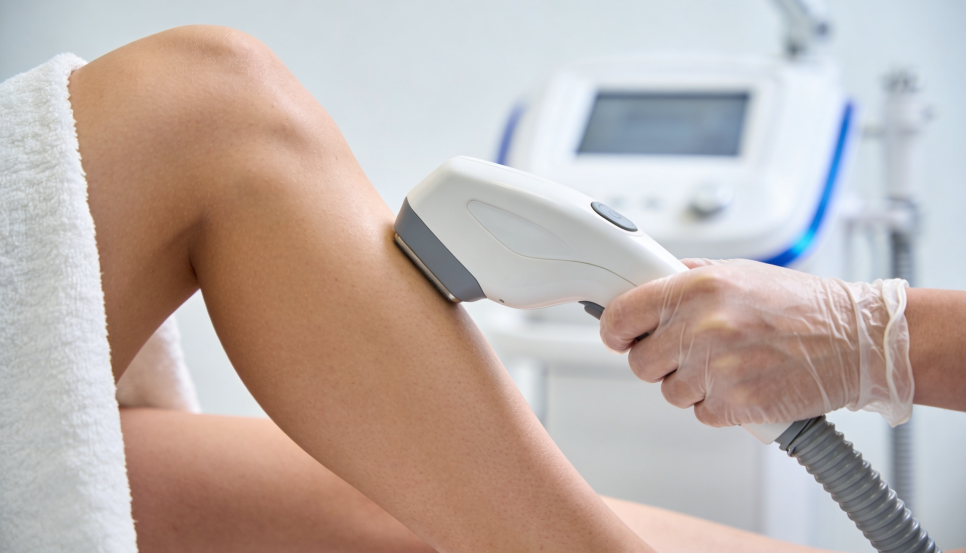
"Even though I keep shaving, it grows back quickly, and at some point, my skin started to sting." When we listen to people who come in for Brazilian hair removal consultations, it's actually rare for them to come solely for aesthetic reasons. Many people complain of discomfort due to sensitive skin from sweat and friction in the summer, or itching and minor skin troubles accumulating from repeated shaving.
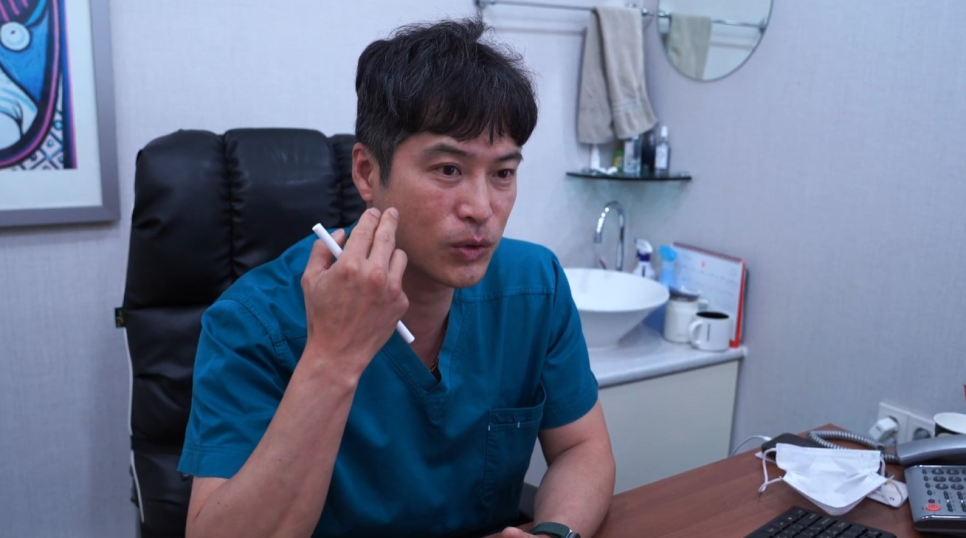
Why a Different Approach is Needed for Sensitive Areas
The Brazilian area has thin and sensitive skin. When combined with underwear friction, exercise, and a sedentary lifestyle, it's a condition where irritation can easily recur. Therefore, when treating this area, we believe that the perspective of reducing skin irritation and lowering the burden of care should come before the simple goal of "removing hair."
The core idea can be summarized in one sentence:
For sensitive areas, we believe that a cautious approach tailored to the skin condition, rather than an aggressive one, takes precedence over the result.
How Lasers Are Designed to React Only to Hair
Brazilian hair removal generally involves selectively delivering heat to hair follicles using laser energy. It's easy to understand this as a principle where a thermal reaction is induced in the hair-producing root, gradually reducing its growth.
"Doesn't the laser burn the skin?" Many people worry about this. In reality, it's closer to the concept of using energy with a wavelength designed to react relatively well to the melanin pigment in the hair, rather than indiscriminately heating the entire skin. Similar to how black clothes absorb more sunlight, the energy gathers towards the pigmented hair.
The Reason It's Not a One-Time Process: The Growth Cycle
However, not all hair reacts at once. Hair repeats a cycle of growth, regression, and resting phases. Since lasers primarily react well to hair in the growth phase, it's often performed repeatedly at regular intervals.
- Since the thermal reaction is concentrated on hair in the growth phase, not all hair is targeted in a single session.
- The necessary interval and number of sessions may vary depending on the area and individual differences.
- Therefore, it's more natural to understand it as a phased approach tailored to the cycle rather than a one-off treatment.
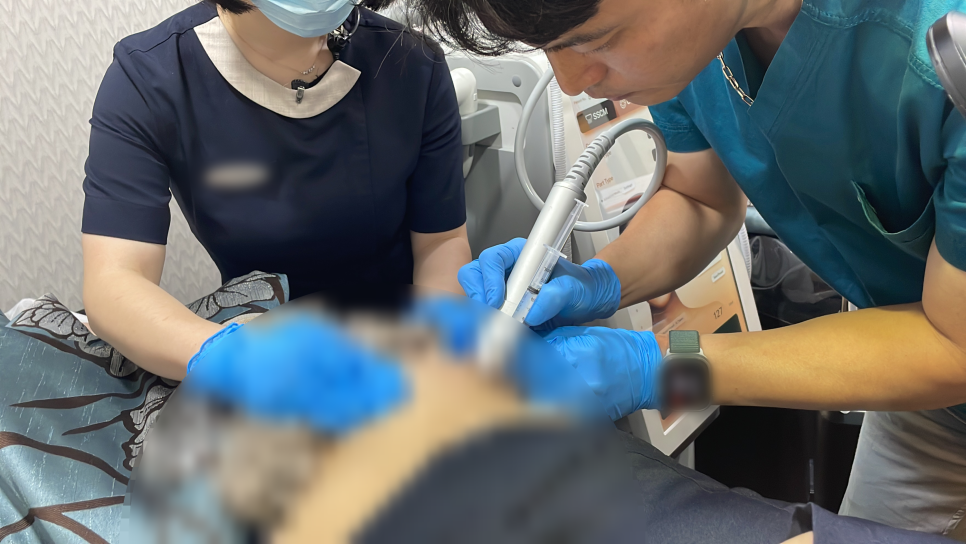
Why the growth cycle should be considered first is further explained in the article Why Laser Hair Removal Should Consider the Growth Cycle More Than the Number of Sessions, so it would be good to read it together.
What's Different About Each Device
The devices used are primarily laser hair removal systems, with differences in wavelength and the depth to which energy is delivered. Since the Brazilian area requires considering both friction and the possibility of hyperpigmentation, the process of checking and adjusting the skin's reaction is more important than simply increasing the output.
Recent devices often use a cooling function together. This method cools the skin surface at the moment the laser is irradiated. You can think of it as a way to deliver heat to the necessary areas while reducing the burden on the surface. You can also check the characteristics of each device on the Laser Hair Removal Guide page.
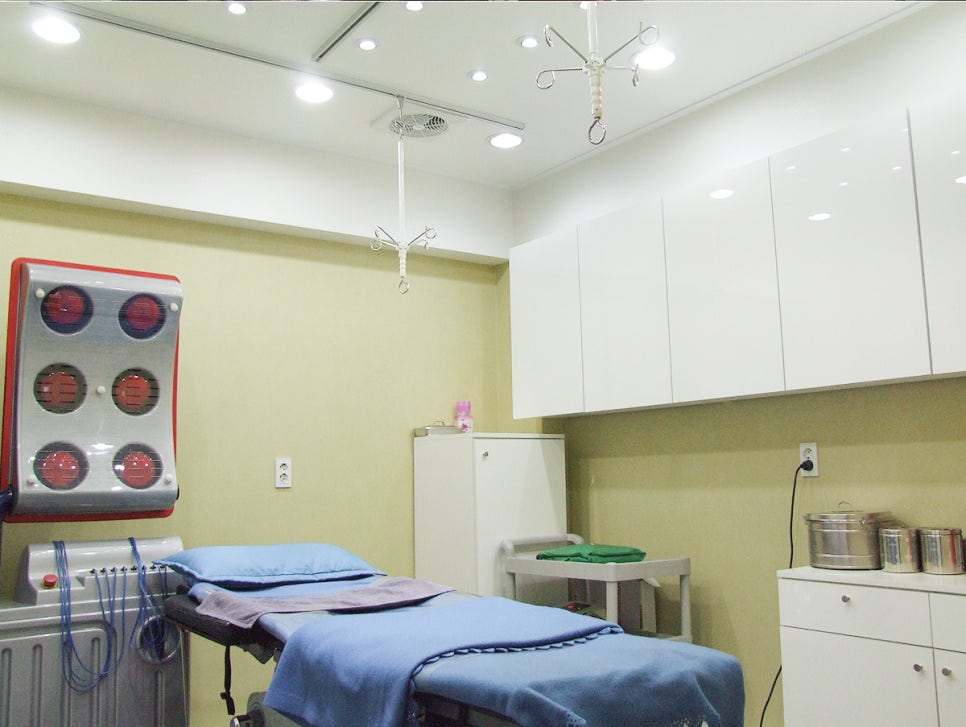
What Changes Can Be Expected, and to What Extent?
The first thing mentioned is the reduced burden of repeated shaving. Frequent shaving can accumulate micro-irritation on the surface, but some people feel that their shaving cycle has lengthened as hair density and thickness gradually decrease through hair removal. There are also cases where people experience less discomfort from sweat and humidity, or those who exercise frequently approach it for convenience of care.
Concerns about pain are also inevitable. The Brazilian area has sensitive nerves, so there may be a stinging or hot sensation. Especially in the early stages when hair is thick and dense, irritation may be felt more, but we may proceed in a way that reduces discomfort by using anesthetic cream or a cooling system together.
Of course, there are clear limitations. Not all hair disappears in a single session, and there are differences in reaction depending on hormonal status, hair thickness, and skin type. It is reported that if performed with too strong energy, the possibility of irritation or pigment changes may increase, so careful adjustment is necessary for sensitive areas.
If you have any questions, please feel free to ask via Chat Inquiry Now [blocked].
Common Situations Encountered in the Consultation Room
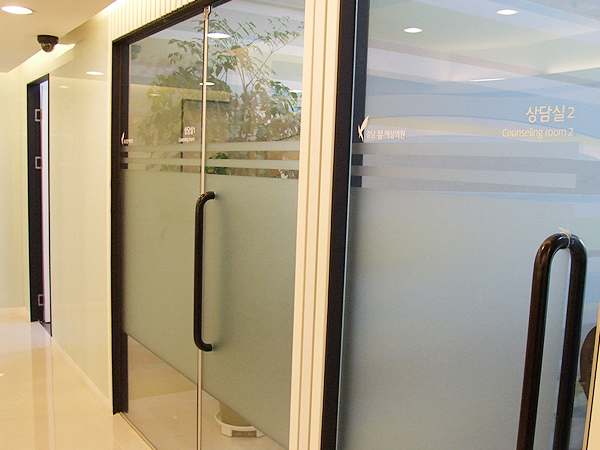
In the Consultation Room, we often see people who come in with a weakened skin barrier due to repeated self-hair removal. In such cases, managing irritation first may take precedence over rushing into the procedure. This is why we emphasize the need for both moisturizing and soothing care.
The process itself generally begins with checking the skin and hair condition.
- We examine hair thickness and density, skin sensitivity, and pigment status together.
- We design the desired hair removal area and apply anesthetic cream if necessary.
- Shaving is performed before the procedure, but conditions where hair is pulled out by the root, like waxing, may reduce laser reaction, so it's often avoided for a certain period.
The Brazilian area has many curves and uneven skin thickness, so a meticulous process of dividing energy and irradiating each area is important. After the procedure, soothing and moisturizing care may also follow.
After the Procedure, Be Cautious for a Few Days
Among office workers in their 20s and 30s who sit for long hours, some consider hair removal due to irritation after shaving and ingrown hairs. Those who are very active, such as those who exercise or swim, are interested in hygiene and reducing friction. However, the approach may vary depending on skin tone, hair thickness, and sensitivity.
Redness or a feeling of heat may appear for a day or two after the procedure. Most of these subside over time, but it's best to avoid strong friction or irritation. Especially immediately after, we recommend temporarily reducing hot saunas, intense exercise, and scrub products.
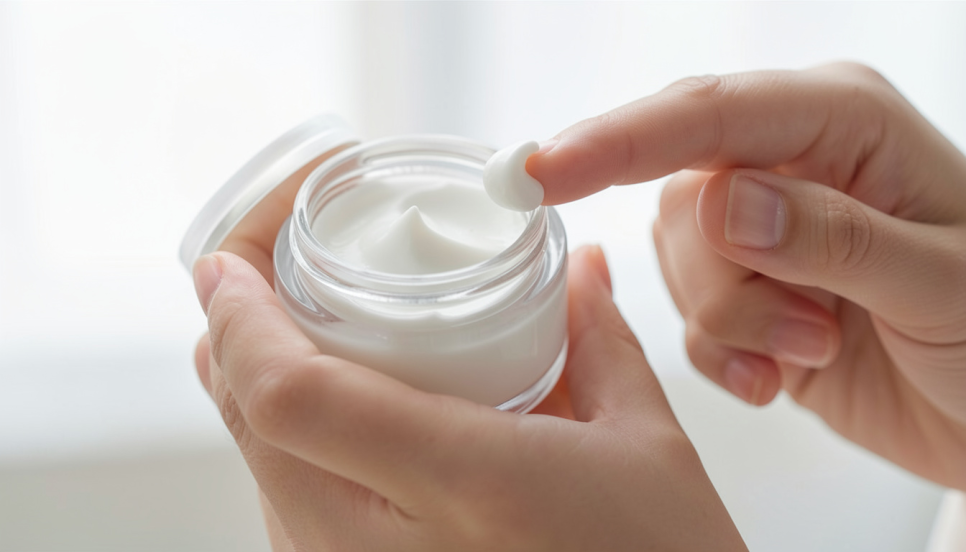
Moisturizing is more important than you might think. Since the skin can be temporarily dry and sensitive after laser treatment, sufficient moisturizing can help with recovery. If it's a time of year with a lot of sun exposure, it's also good to pay attention to UV protection to prevent pigment changes. If you are curious about overall skin care, the Skin & Laser Consultation Guide can also be helpful.
Ultimately, Direction, Not Speed, Is What Matters
"Isn't Brazilian hair removal just a procedure to remove hair?" You might think this, but in reality, it often considers the purpose of reducing both skin irritation and the burden of care. We believe that for sensitive areas, the process of checking the skin's reaction and proceeding carefully takes precedence over quick results.
In summary, Brazilian hair removal is a procedure that selectively induces a thermal reaction in hair follicles with laser energy, and its essence, we want to say, lies not in how strongly it's done, but in how carefully it's approached according to the skin condition. If you are curious about a plan suitable for your skin, please feel free to inquire via chat consultation [blocked].
This article was reviewed and refined by Park Min-soo, Lead Directors (7th President of the Korean Society for Laser Dermatology and Hair, Adjunct Professor at Hanyang University College of Medicine) and Lee Yu-seok, Lead Directors (Vice President of the Korean Society for Laser Dermatology and Hair, 20 years of clinical experience). Last reviewed 2026-07-27.