
Pyeongtaek men's beard removal: frequency, growth cycle, and density
Why session counts differ between men: hair type and growth cycle.
"It's clearly the same beard, but some people are satisfied after about five or six sessions, while others continue for much longer, right?" This is a question we hear surprisingly often when consulting about male beard laser hair removal in Pyeongtaek. Behind the question "How many sessions will it take?" usually lies this curiosity.
To get straight to the point, the number of sessions required for beard laser hair removal can vary from person to person. Even among men, the thickness and density of the beard, skin tone, hormonal influences, and the hair follicle growth cycle all differ.
So today, we'd like to go over why these differences in session count occur, how male beard laser hair removal works, and what you should know for effective management.
A Beard Is Not Just Hair, It's Strong Hair
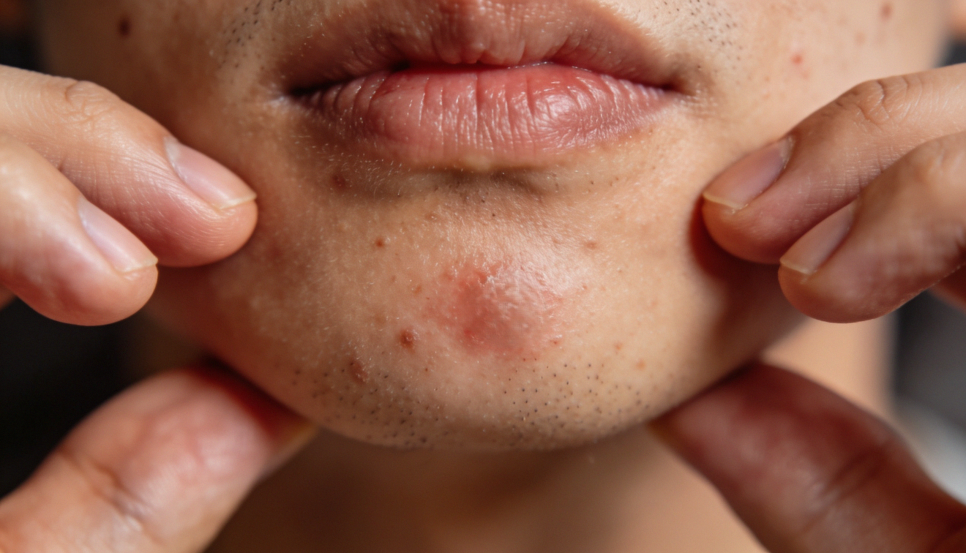
Men's beards are often thicker and rooted deeper than arm or leg hair. Moreover, daily shaving can accumulate irritation on the skin around the hair follicles. The changes that can occur during this process can be summarized roughly as follows:
- Shaving troubles and frequent redness
- Pimples that appear like folliculitis
- Dark beard shadow on the philtrum and jawline
Especially in social life, many people complain of stress due to their beard growing back by evening even after shaving in the morning. In such cases, male beard laser hair removal is considered not just a way to remove hair, but also a method to reduce the burden of repeated shaving and manage skin irritation. You may also find it helpful to read our article Why You Should Consider Your Skin, Not Just Your Hair for related information.
How Does Laser Hair Removal Work?
Simply put, laser light reacts to melanin, the dark pigment in hair, and delivers thermal energy to the hair follicle. It's easy to understand if you imagine sunlight being focused in one spot with a magnifying glass, concentrating heat.
The laser does not burn the entire skin, but rather targets hair that has relatively more melanin. As a result, the hair follicles are damaged, and you can expect changes such as a slower growth rate of new hair or thinner hair. If you are curious about the equipment or the procedure in general, you can find more detailed information in our Laser Hair Removal Guide.
The Reason It Doesn't End in One Session Lies in the Growth Cycle
The hair on our body repeats through growth, catagen, and telogen phases. The laser reacts best to hair in the growth phase. Hair follicles that are not in the growth phase at the time of treatment may not be sufficiently affected.
In the Consultation Room, we sometimes hear people ask, "I had it all treated last time, so why is it growing back again?" We often explain that it's simply hair follicles that weren't in the growth phase at that spot last time that are now growing, and it's not that the treatment wasn't done.
Because these stages continuously cycle, the treatment is performed not in one session but over several sessions. You can find a similar context in our article Why We Prioritize the Growth Cycle Over the Number of Sessions, which discusses why the growth cycle needs to be considered.
Why Do We Care About Laser Wavelength and Cooling?
The lasers used for beard hair removal differ in wavelength and energy delivery method. Some wavelengths react to relatively shallow areas, while others deliver energy to deep hair follicles.
Since beards are often deeper and thicker than general body hair, it is important to choose equipment that matches the skin condition and hair characteristics. Recent equipment has evolved to use cooling functions together to reduce thermal irritation that may occur during the procedure. However, rather than saying that one piece of equipment is unconditionally better, it is more reasonable to apply it according to your current skin and beard condition.
If you have any questions, please feel free to ask through Chat Consultation Now [blocked].
What Changes Can You Expect from Male Beard Laser Hair Removal?
The changes we often explain during consultations for male beard laser hair removal in Pyeongtaek are roughly as follows. Initially, you may feel that the rate at which hair grows back after shaving slows down, and as treatments are repeated, the density and thickness of the beard may change.
In particular, some people feel that their skin looks much cleaner as the dark shadow on the jawline or philtrum fades. The downtime is relatively short, so returning to daily life is often quick. However, since the beard area is resistant to irritation even among body hairs, you may feel a stinging or hot sensation during the procedure, and if you are sensitive to pain, anesthetic cream may be used.
The Real Reason Why the Number of Sessions Differs for Men
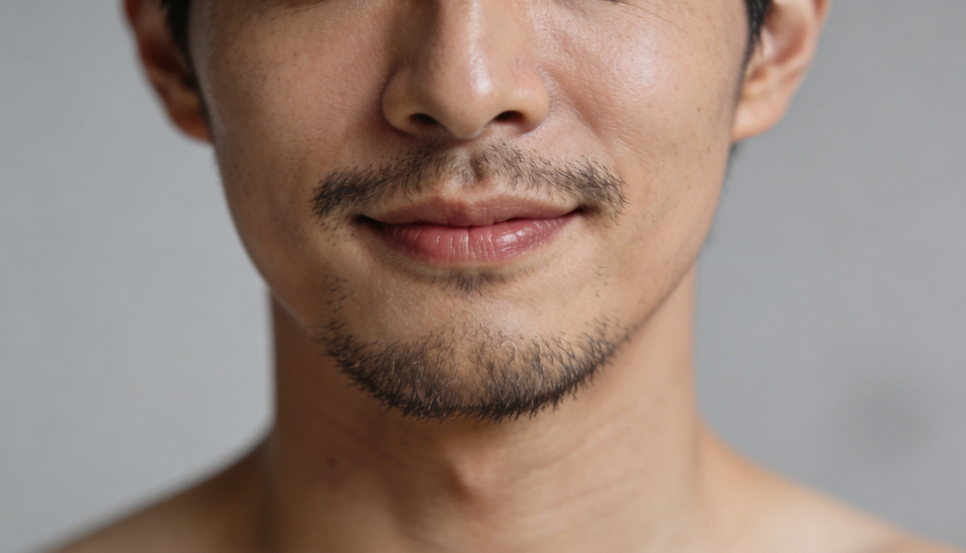
The biggest reason is the difference in beard density. Even at the same age, some people have hair concentrated only on the philtrum and chin, while others have it densely distributed across their entire cheeks. When hormonal influences, genetic characteristics, and hair follicle depth are added to this, the difference becomes even greater.
Therefore, it is difficult to conclude that just because a friend was satisfied after a certain number of sessions, you will experience similar changes in the same number of sessions. What is important is not the number of sessions itself, but the process of accurately assessing your current condition and creating a plan tailored to it.
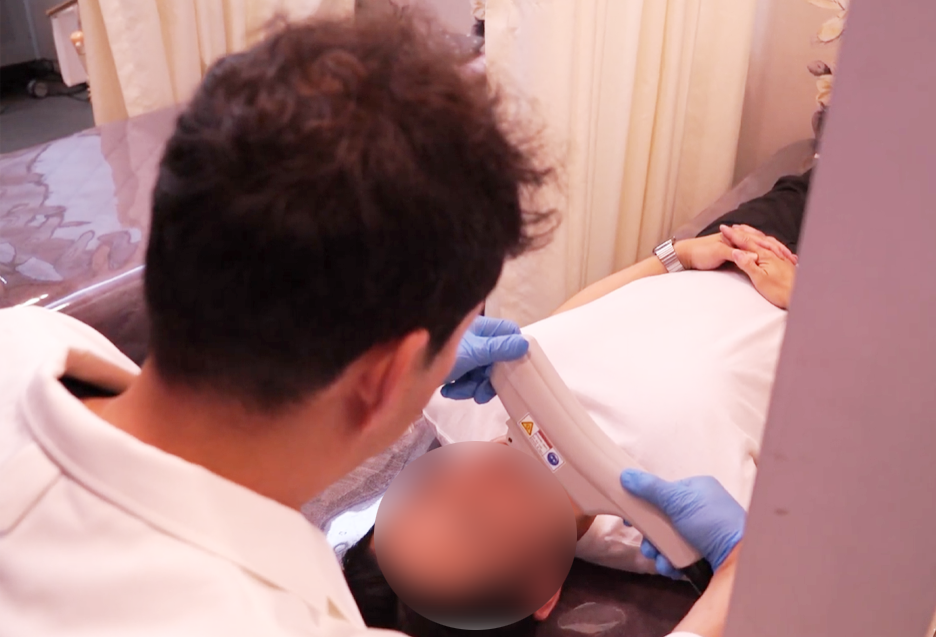
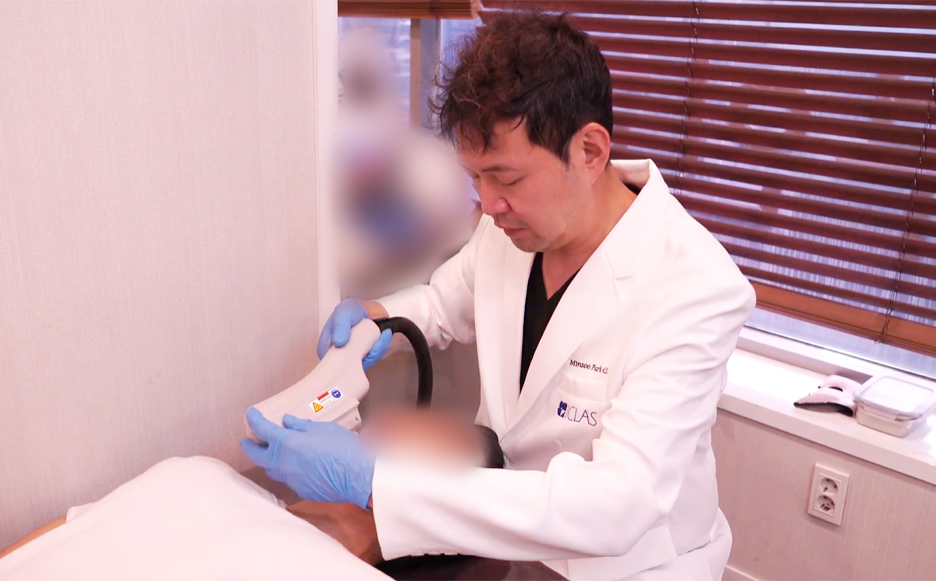
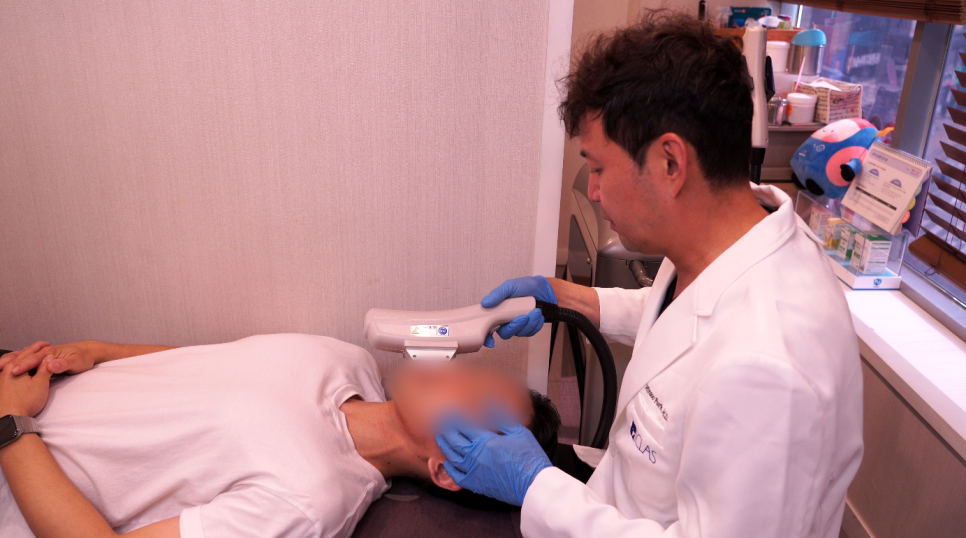
Looking at the overall flow of the procedure, we first check beard density, skin tone, and the presence of existing skin conditions, then design the treatment area, apply anesthetic cream if necessary, and then irradiate with the laser. The beard area often finishes in a relatively short time depending on the scope, and at the end, skin soothing and moisturizing care are added.
For example, for an office worker considering hair removal due to recurring shaving troubles and a dark jawline, the goal would be not only to remove hair but also to reduce shaving frequency and alleviate skin irritation. Conversely, if the beard is very thick and dense, relatively more sessions may be needed. It is good to understand that even for the same man, the plan changes depending on the condition.
After the Procedure, Please Manage as Follows
On the day of the procedure, it is best to avoid hot saunas or intense exercise. Your skin may be temporarily sensitive. Reducing sun exposure and moisturizing sufficiently will help with care. Shaving is possible, but it is better to refrain from aggressively scraping the skin for a while.
Redness or a slight feeling of warmth are mostly reactions that subside over time. However, if symptoms persist for a long time, we recommend seeking medical attention rather than enduring it.
In Closing
If you are considering male beard laser hair removal, the first thing to remember is that "the number of sessions can vary from person to person." Since laser hair removal is performed considering the characteristics of the hair follicles and the growth cycle, rather than using someone else's session count as a standard, accurately checking your current beard and skin condition and then making a plan will lead to a much more satisfying start. For alternatives to shaving, please also refer to Management Methods to Consider Instead of Repeated Shaving.
If you are curious about a plan tailored to your beard density and skin condition, please feel free to Inquire via Chat Consultation [blocked].
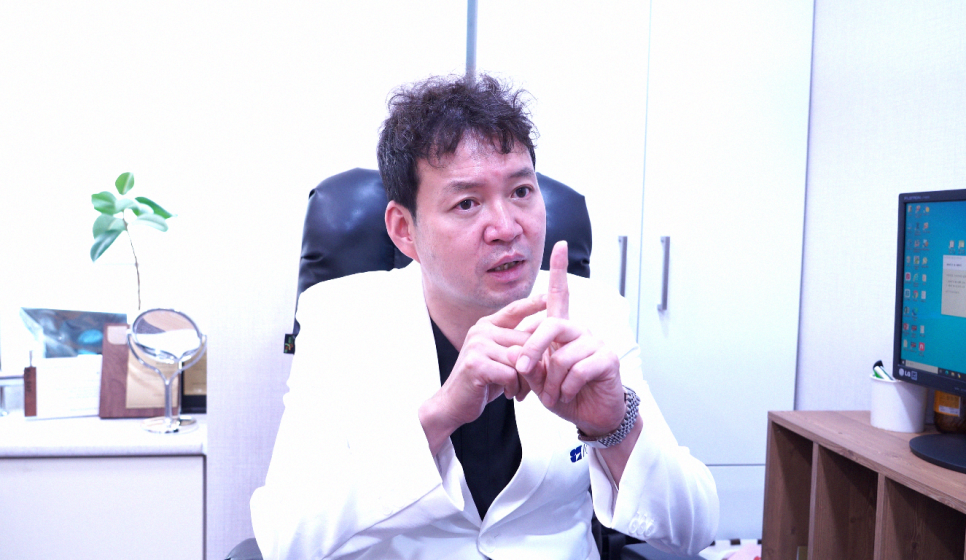
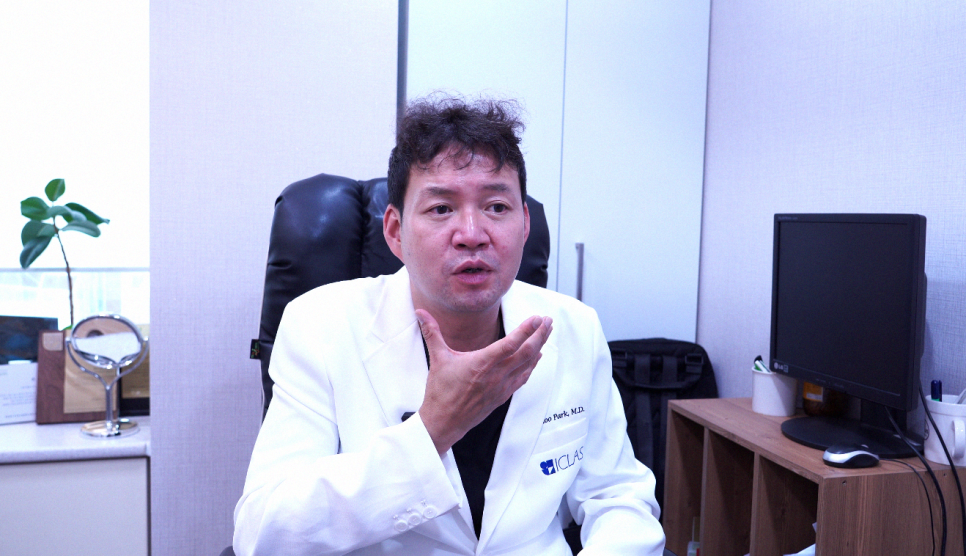
This article was reviewed and refined by Lead Director Park Min-soo (7th President of the Korean Society for Laser Dermatology and Hair, Adjunct Professor at Hanyang University College of Medicine) and Lead Director Lee Yu-seok (Vice President of the Korean Society for Laser Dermatology and Hair, 20 years of clinical experience). The last review date was 2026-07-27.