
Why isn't laser hair removal a one-time treatment?
Targeting the follicle — and why settings matter more than device names.
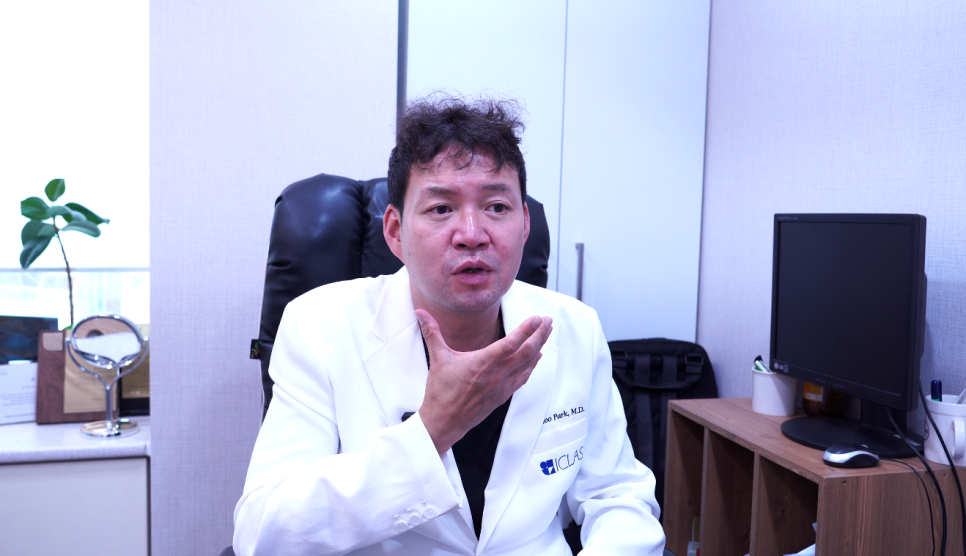
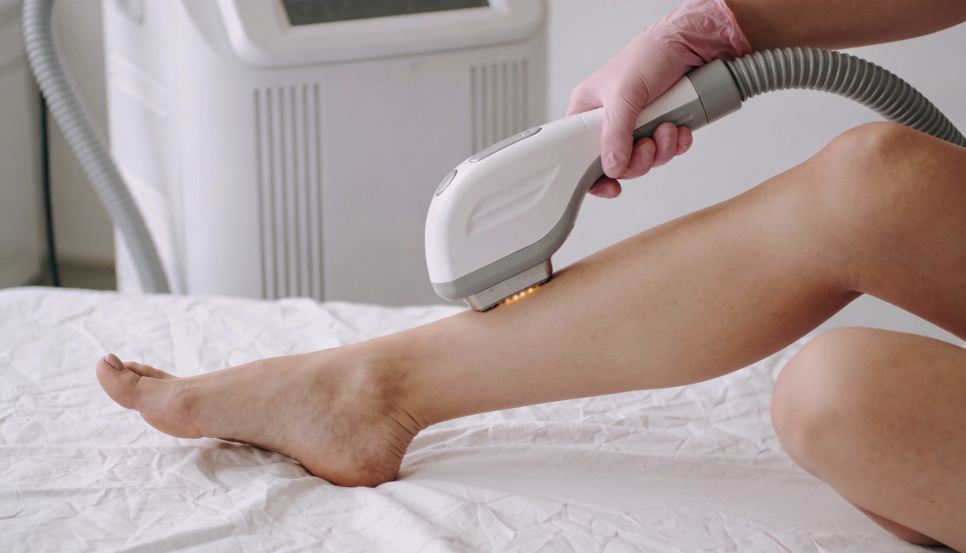
"If I get laser hair removal, will my hair really not grow back?" This is a question we encounter several times a day in the Consultation Room. Many people get tired of repeated shaving or waxing due to skin irritation, trouble around hair follicles, and the time spent on maintenance. This burden feels even greater, especially in seasons when exposure increases.
Today, we will explain what laser hair removal actually targets, how much pain to expect, and how to manage before and after treatment, which determines the results.
Cutting Hair and Targeting Hair Follicles Are Different
Razors only cut the hair that has grown above the skin. Waxing pulls out hair, but it grows back over time. The problem is that as these methods are repeated, the irritation to the skin also accumulates.
- Surface irritation from repeated shaving
- Ingrown hairs (trapped hairs) at the plucked site
- Inflammatory reactions around hair follicles
This discomfort tends to be more pronounced in areas with thick and dense hair. Laser hair removal is an approach to reduce precisely this repetitive burden. The goal is not to remove visible hair, but to target the function of the hair follicles that produce hair.
How Does a Laser Selectively Target Only Hair?
The principle is simpler than you might think. The laser delivers light energy of a specific wavelength to the skin, and this energy is selectively absorbed by the melanin pigment in the hair. You can think of it as similar to how black clothes absorb more sunlight.
When melanin absorbs energy, heat is generated, and that heat is transferred to the area around the hair follicle, gradually weakening its growth function. The structure targets hair with dense pigment rather than burning the entire skin. Therefore, thick and dark hair is reported to respond better.
In the Consultation Room, even in the same area, the reaction speed varies quite a bit depending on the color and thickness of the hair. That's why I tend to check skin tone and hair condition first during the initial consultation.
Settings Are More Important Than Equipment Name
The equipment used for laser hair removal is categorized by the wavelength. It is much more important that the settings are appropriate for your skin and hair than what the name of the device is.
Even with the same equipment, the perceived results can vary depending on the output, irradiation speed, and cooling method. Therefore, rather than fixating on a specific device name, the process of setting up the appropriate parameters for your condition during the consultation is key. It's easier to understand if you look at our clinic's Skin & Laser Consultation Guide and Laser Hair Removal Program together.
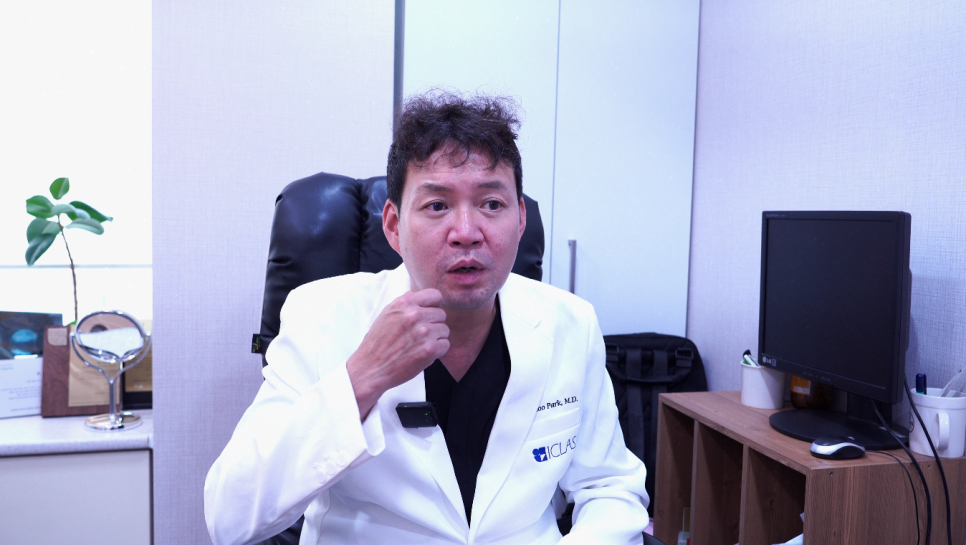
"Does It Hurt a Lot?" — An Honest Talk About Pain
This is the most frequent concern. It is often described as a light snap of a rubber band on the skin, but there are definitely individual differences.
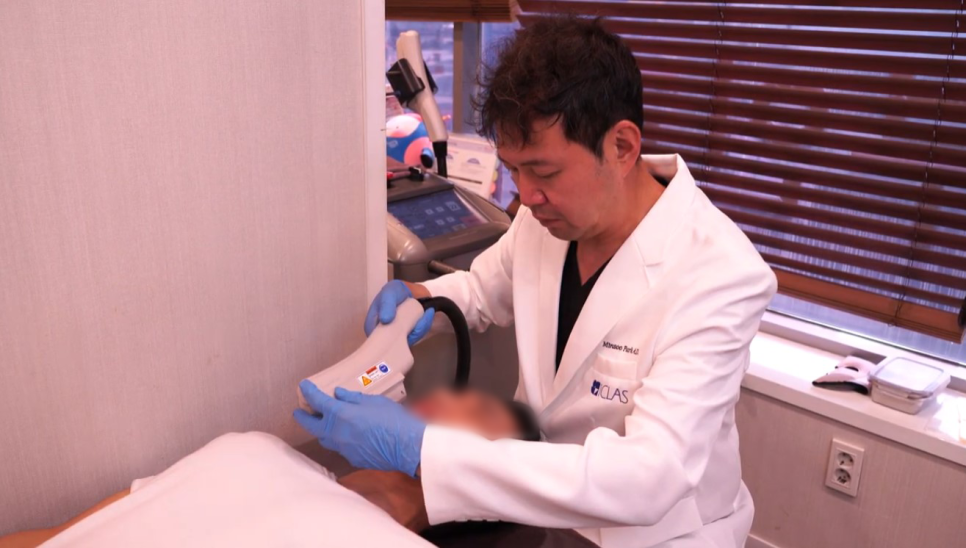
Areas with thick and dense hair, such as the armpits, upper lip, and bikini line, may experience a little more pain. However, these days, cooling devices are often applied together, so the discomfort is less than before. Redness or a feeling of warmth may appear temporarily immediately after the procedure, but it usually subsides temporarily.
If you are concerned about the level of pain in a specific area, you can feel free to ask any questions you have via Chat Consultation Now [blocked].
Why Isn't It Over in One Session?
Immediately after the procedure, you may not feel a significant change. Instead, it is common to see hair naturally falling out after 1 to 2 weeks. After subsequent sessions, you can expect the thickness and density of the hair to gradually decrease.
The key is the hair growth cycle. Hair repeats growth, regression, and resting phases, and the laser works best on hair in the growth phase. Since not all hair is in the same phase at once, the procedure is performed over several sessions. This part is explained in more detail in An Article on Laser Hair Removal and the Growth Cycle.
It's fair to point out the limitations. Laser hair removal is not a procedure that guarantees hair will disappear forever. There may be individual differences in the duration of maintenance and the degree of response depending on hormonal changes, genetic factors, and hair characteristics. The response may also be limited in cases of low melanin, such as blonde or white hair. Therefore, a highly accurate evaluation before the procedure is essential.
What Is the Procedure Sequence?
The actual flow generally proceeds as follows:
- Skin and hair condition are checked.
- The treatment area is designed, and hair length is trimmed.
- Anesthetic cream is applied if necessary.
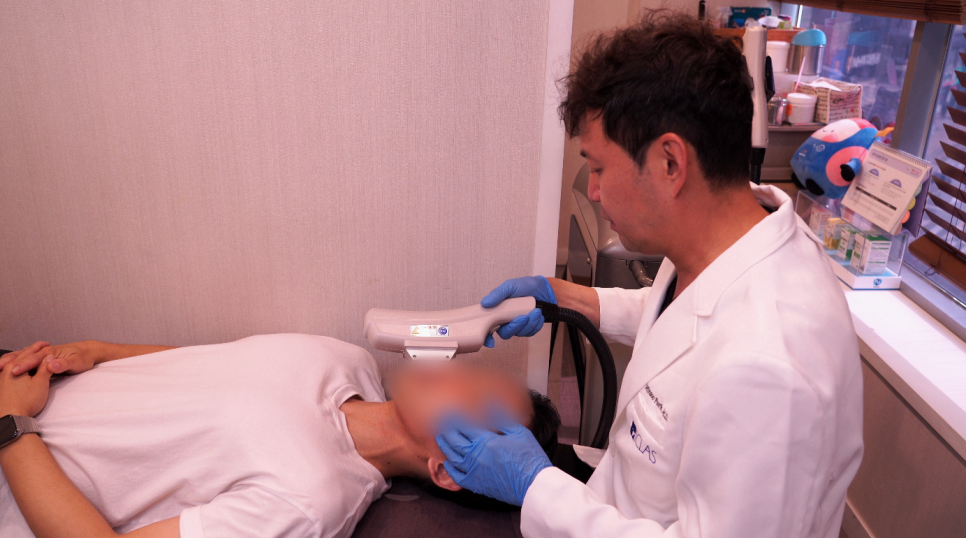
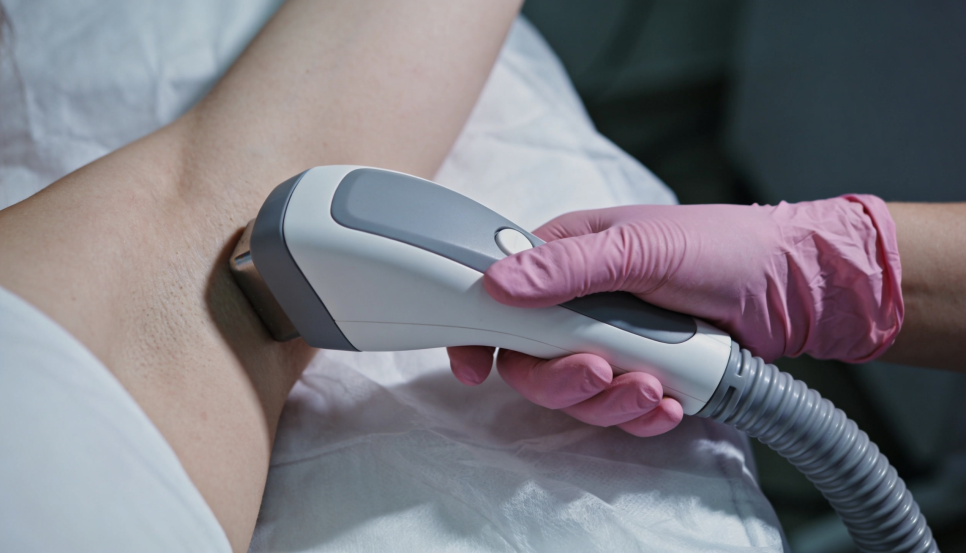
- The laser is irradiated, delivering energy to the hair follicles.
- The procedure concludes with soothing and cooling care.
Depending on the area, it usually takes anywhere from a few minutes to tens of minutes. For example, for a 20-something office worker who experienced recurring trouble from daily morning shaving, we would first assess whether reducing the frequency of shaving and managing skin irritation could be helpful. Of course, the priority is to plan after thoroughly checking the individual's skin and hair characteristics.
Pre- and Post-Care Changes the Results
Pre- and post-care influence the results as much as the procedure itself. This is something we particularly emphasize in the Consultation Room.
- Avoid waxing and plucking before the procedure. Hair follicles must remain for the laser to accurately target them. Shaving, on the other hand, is often recommended.
- Minimize Sun Protection on the day of the procedure.
- Immediately afterward, there may be redness and a feeling of warmth, so sufficient moisturizing and cold compresses are helpful.
- Postpone activities that raise skin temperature, such as saunas, jjimjilbangs (Korean bathhouses), and strenuous exercise, for a few days.
Sun Protection is especially important. This is because sensitive skin exposed to strong UV rays can increase the possibility of pigment changes. This perspective of caring for the entire skin, not just the hair, was also covered in Hair Removal Story: Caring for Skin Beyond Hair.
The essence of laser hair removal is not a single procedure, but consistent care with appropriate intervals tailored to the growth cycle.
If you want to check your skin and hair condition before making a plan, try Leaving Your Questions in a Chat Consultation [blocked]. We will help you organize the right approach for your area and condition.
In summary, laser hair removal is not merely a procedure to remove hair, but a continuous management process that considers the hair follicle's growth cycle. To enhance effectiveness and reduce unnecessary irritation, we recommend paying close attention to pre- and post-care as much as the procedure itself.
This article was reviewed and refined from a clinical perspective by Lead Directors Park Min-soo (7th President of the Korean Society for Laser Dermatology and Hair, Adjunct Professor at Hanyang University College of Medicine) and Lee Yu-seok (Vice President of the Korean Society for Laser Dermatology and Hair, 20 years of clinical experience). The last review date was 2026-07-27.