
Vaginitis that recurs after stopping medication: Identifying the cause in Pyeongtaek clinic
Itching that returns once the medication stops — sorted by cause.
"It's fine when I take the medicine, but why does it keep coming back when I stop?" This is the most frequent question we hear from patients who visit our Consultation Room for vaginitis. Symptoms like itching, increased discharge, and unpleasant odor can lead to significant daily discomfort. And when these symptoms recur not just once or twice, but every time the season changes or when you're tired, the discomfort quickly turns into stress.

Especially during humid and hot periods, we see an increase in patients reporting recurrent vaginitis. Each time, before prescribing more medication, I first ask one question: "This isn't your first time, is it?" Recurring vaginitis is often not a problem that can be solved with medication alone. Today, we'll summarize the causes of vaginitis, the examination process, and management strategies to reduce recurrence, which we frequently encounter in Gynecology consultations in Pyeongtaek.
Why It Starts Again When You Stop Taking Medicine
More people than you might think consider vaginitis to be like a common cold. They believe that if bacteria have entered, a few days of medication will resolve it. However, in reality, it's a bit different.
The vaginal environment naturally maintains a slightly acidic pH, and beneficial bacteria play a crucial role in preserving this environment. It's like a well-maintained garden, where various microorganisms maintain a certain order and balance. The problem arises when this balance is disrupted.
There isn't just one factor that disrupts this balance. Here are some of the factors frequently observed in the Consultation Room:
- Excessive stress and lack of sleep
- Frequent antibiotic use
- Hormonal changes and weakened immunity
- Habits of excessive use of vaginal washes or frequent douching
Just as overwatering a potted plant can weaken it, cleansing done in the name of hygiene can sometimes disrupt the normal balance. Therefore, it's more helpful to understand recurrent vaginitis not as a simple infection, but as a problem with the balance of the vaginal ecosystem.
The Same Itching, Different Causes
"Isn't all itching the same kind of vaginitis?" My answer to this question is no. Even with the same itching, the causative bacteria can be different, and the characteristics of the discharge can also vary slightly. Since the treatment approach differs depending on the cause, a verification process is necessary rather than just assuming based on symptoms.
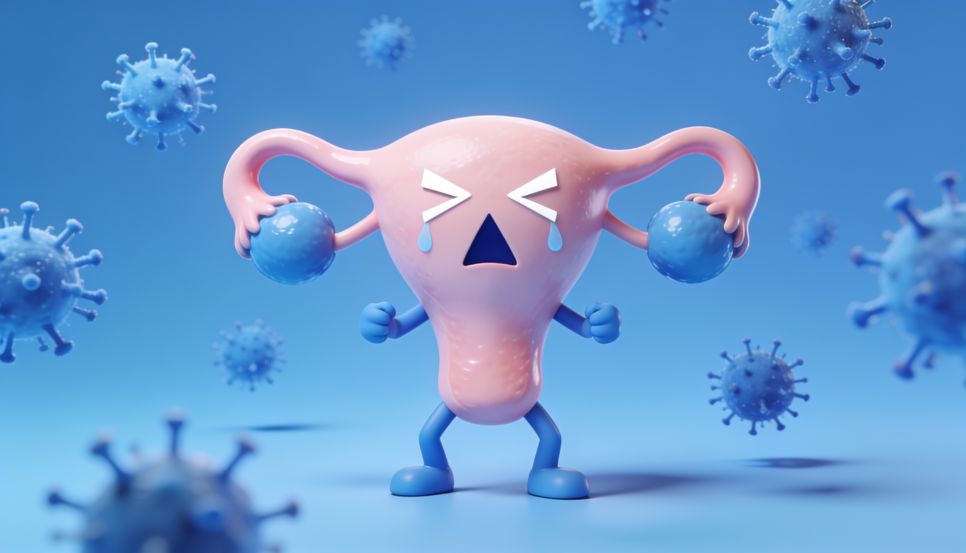
The process of differentiating the causative bacteria is similar to using diagnostic equipment to identify which part is problematic when a car's warning light comes on. It's because addressing the root cause, rather than just turning off the warning light, allows for fundamental management. In cases related to sexual contact, such as Trichomonas, it may be helpful to also review the Sexually Transmitted Infection Testing Guide.
How Is the Examination Conducted?
The starting point for vaginitis treatment is an accurate identification of the cause. In Gynecology consultations in Pyeongtaek, we proceed with vaginal discharge tests, microscopic examinations, culture tests, and, if necessary, molecular diagnostic tests, as appropriate for the situation, to identify the cause.
Once the cause is identified, we plan medication tailored to that specific bacteria. The key point is that not all vaginitis is treated with the same medication. Therefore, it is safer to confirm your current condition rather than repeatedly self-medicating. In cases of recurrence, we also examine the condition of the vaginal mucosa, hormonal changes, and lifestyle factors.
Especially for women around menopause, changes in female hormones can alter the vaginal mucosal environment, requiring a more meticulous evaluation. You can see the overall picture of this process in the Gynecology Consultation Guide.
Accurate examination to identify the cause has the advantage of reducing unnecessary treatments. This is because we can approach the problem based on the cause, instead of guessing based on symptoms alone. It is also significant that in the process of finding the cause of recurrence, we can review lifestyle habits and hygiene management methods together.
If you have any questions about symptoms or the examination process, please feel free to inquire through Chat for Consultation Now [blocked].
Why Does It Recur After Treatment?
There's an important point to remember here: "Isn't vaginitis a disease that ends just by taking medicine?" Not necessarily. If the underlying lifestyle habits remain unchanged, it's difficult to completely rule out the possibility of recurrence.
Wearing tight clothing for extended periods, maintaining a poorly ventilated environment, or repeating excessive cleansing habits can destabilize the vaginal environment again. Therefore, treatment and lifestyle improvements must go hand in hand, like a pair.
In clinical experience, those who reported improvement only while taking medication and recurrence after stopping often had underlying habits that remained unchanged rather than just symptoms.
For example, imagine a 30-something office worker who experiences recurrent increased discharge and itching due to fatigue from overtime and stress, and only gets temporary relief with medication. In such cases, rather than just repeating treatment, it may be helpful to comprehensively examine the causative bacteria, along with lifestyle habits, hygiene, and immune status. Of course, the actual approach may vary depending on the individual's condition.
Consultation Flow and Lifestyle Management
If vaginitis is suspected, we first confirm symptoms, duration, and recurrence through a medical interview. Then, if necessary, we conduct an examination and tests, and based on the results, we analyze the cause and explain the treatment plan. After treatment, we check for changes in symptoms and recurrence, and if necessary, continue with additional tests.

Here are some important points to consider during the treatment period:
- Do not arbitrarily stop prescribed medication even if symptoms improve.
- Choose breathable clothing.
- Avoid excessive vaginal douching.
- Maintain sufficient sleep and a balanced diet.
While symptoms may subside quickly immediately after treatment, for recurrent vaginitis, it is important to observe the progress and manage it over a certain period. This is because immediate symptom control and long-term environmental management must occur together. If you are curious about regular women's health check-ups, we recommend referring to Early Detection and Prevention of Cervical Cancer.
Back to the Cause
Ultimately, the core of vaginitis management is not simply eliminating bacteria, but restoring the balance that allows for a healthy vaginal environment. If you are considering Gynecology consultation in Pyeongtaek, we recommend checking the root cause of recurrence rather than just focusing on the symptoms.

Even if it looks like the same vaginitis, the cause can be different, and an accurate diagnosis is the first step towards proper management. If you are concerned about recurring symptoms, please use Chat Consultation for Easy Inquiry [blocked]. We will first ask about your symptoms and situation, then guide you on the necessary tests and approach. Costs will be provided after consultation.
This article was read and reviewed by Lead Director Park Min-soo (7th President of the Korean Laser Dermatology and Hair Society, Adjunct Professor at Hanyang University College of Medicine) and Lead Director Lee Yu-seok (Vice President of the Korean Laser Dermatology and Hair Society, 20 years of clinical experience). Last reviewed 2026-07-27.