
Pyeongtaek cervical cancer screening: Why check even without symptoms
Why no symptoms is the time to check, and what HPV testing shows.
"Do I still need to get screened even if I don't have any symptoms?" This is the first question we often hear in the Consultation Room when discussing cervical health. It's easy to assume you're healthy when you feel fine, but Cervical Cancer often doesn't show clear signs in its early stages. That's why this disease is approached not by waiting for symptoms, but by checking for changes before they begin.
In this article, for those in Pyeongtaek considering Cervical Cancer screening, we will explain why early detection is emphasized, what the tests look for and how, and what to remember after receiving your results, all from a clinical perspective.
When there are no symptoms, that's precisely the time to check.
For some diseases, it's more advantageous to check when there are no symptoms, rather than after symptoms appear.
This is why Cervical Cancer is consistently mentioned as a prime example of a disease where early detection is crucial. Since cellular changes generally progress slowly over a long period, it is known that the earlier they are detected when there are no physical abnormalities, the wider the range of management options available.
In the Consultation Room, a significant reason for postponing screenings is the absence of pain or discomfort. However, the purpose of screening is not limited to identifying existing problems. It is closer to a process of proactively examining cells that have the potential to change in the future.
Why is HPV considered central to this disease?
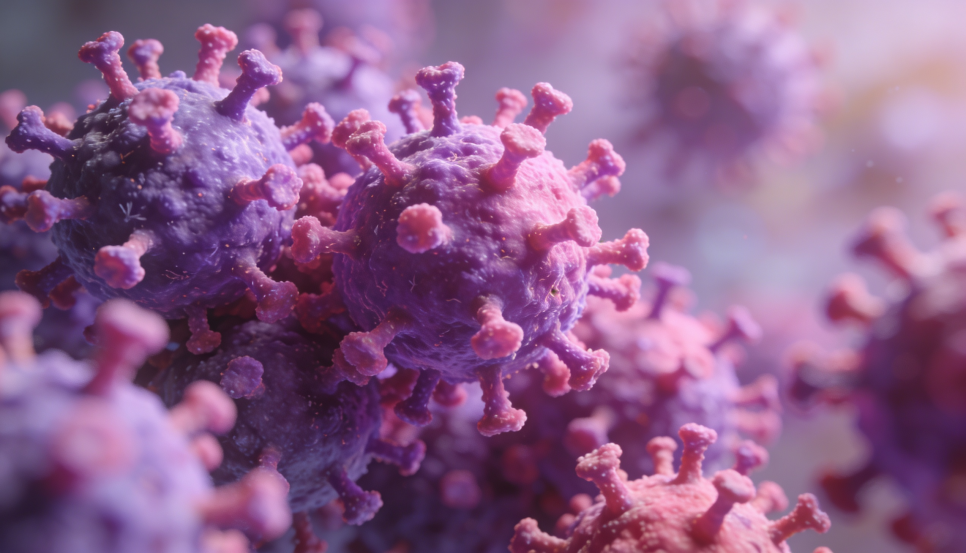
Cervical Cancer is mostly known to be associated with Human Papillomavirus (HPV) infection. However, infection does not necessarily mean cancer. In many cases, it disappears naturally due to our body's immune function.
The problem arises when the virus persists for a long time in some individuals, causing changes in cervical cells. This can be compared to a small crack in a windowpane. Initially, it may be too subtle to notice, but just as a crack can gradually widen over time if not managed, it is important to identify cellular changes early.
Due to this background, an approach that also examines the viral status is emphasized. For prevention, it may be helpful to check information on HPV Vaccination, and if you are curious about infection status, you can first look at the HPV Infection Test item.
What do the tests look for and how?
The main methods used for screening are cervical cytology and HPV testing. Cervical cytology involves collecting cells from the surface of the cervix with a soft brush and examining them under a microscope for abnormalities. It is a relatively quick procedure and does not require incision.
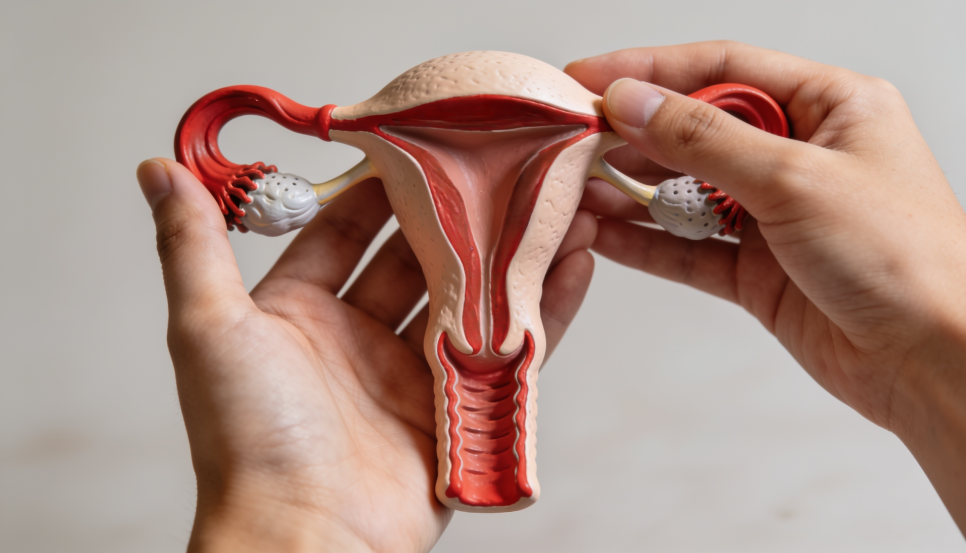
HPV testing checks for infection with viruses highly associated with Cervical Cancer. Performing both tests together allows for a comprehensive evaluation of both cellular changes and viral status, which is helpful for a more thorough assessment. Recently, Liquid-Based Cytology (LBC), which involves placing collected cells in a liquid preservative to reduce impurities and analyze them uniformly, has also become widely used.
Which test is appropriate may vary depending on age, health status, and previous test results, requiring individual assessment. If you are wondering about the scope of your screening, checking the difference between Cervical Cancer General Screening and Cervical Cancer Comprehensive Screening first may help you decide.
If the test items are unfamiliar or you're curious about the right combination for you, feel free to ask via Chat with us now [blocked].
What screening tells us, and what it cannot tell us
The greatest significance of Cervical Cancer screening in Pyeongtaek is that it allows you to check your current condition before symptoms appear. Even if there are no immediate noticeable changes, the results provide a basis for assessing your current state and, if necessary, planning additional management. The test time is not long, and daily life can usually be resumed, so many people choose it as part of their regular health management.
However, screening does not solve all problems at once. A normal result does not guarantee continued peace of mind thereafter, and it is important to consistently check at recommended intervals based on individual risk factors. Lifestyle management that is good to maintain includes:
- Maintaining regular screenings at recommended intervals
- Counseling on preventive management, such as vaccinations
- Safe sexual practices and smoking cessation
- Regular sleep and lifestyle management
Test flow and what to know after the test
The test generally begins with a medical history interview and health status check. Afterward, you will receive an explanation of the necessary tests and prepare for cervical cytology or HPV testing. Most people can return to daily life immediately after the test, but some may experience slight discomfort or minor bleeding depending on the individual. These are usually temporary, and if symptoms persist for a long time, it is best to check again.

On the day of the test, it is helpful to avoid excessive exercise or strenuous activities and follow the precautions advised by the medical staff. If additional tests are needed after checking the results, it is important to proceed according to the recommended schedule. If you are curious about Gynecology care in general, you can find more information in the Gynecology Care Guide.
Understanding the role of screening through examples
For example, let's say a woman in her 30s working in an office, who had no particular symptoms, underwent screening as part of her regular health management. During the test, early cellular changes were identified, leading to additional tests, and subsequent regular follow-up observations to monitor her condition.
Conversely, in the case of a woman in her 40s who underwent both tests, no particular abnormalities were found, and the process concluded with a plan for regular screenings at recommended intervals. As such, it is good to understand screening not as a procedure only for those with symptoms, but as a process of checking the present and utilizing it for future health management.
If you wish to understand the meaning of regular screening more deeply, we recommend reading the article Why Regular Cervical Cancer Screening is Important.
Not postponing is the beginning of management.
Cervical Cancer is a disease where the importance of early detection and prevention is consistently emphasized. The most regrettable moment is when anxiety leads to postponing the check itself. Health is not something to be regained after special symptoms appear, but rather a process of gradually building it up through regular attention and checks.
If you are concerned about the timing of your screening or the right combination of tests for you, rather than deciding alone, we recommend using Chat Consultation to ask comfortably [blocked] to help you find direction together.
This article was reviewed and content checked by Park Min-soo, Lead Director (7th President of the Korean Laser Dermatology and Hair Society, Adjunct Professor at Hanyang University College of Medicine) and Lee Yu-seok, Lead Director (Vice President of the Korean Laser Dermatology and Hair Society, 20 years of clinical experience). The last review date was 2026-07-27.