
Stem cells in Pyeongtaek: The true meaning of 'helping' the skin.
What it means to support the skin's environment rather than fill it.
"If I get stem cell treatment, will my skin be reborn?"
Whenever I receive this question in the Consultation Room, I pause and ask again. I want to first understand what expectations are embedded in the phrase "reborn." The word "stem cell" often carries the impression that it possesses a special power to reverse everything. However, the approach to stem cells in dermatology is a bit different from that impression.
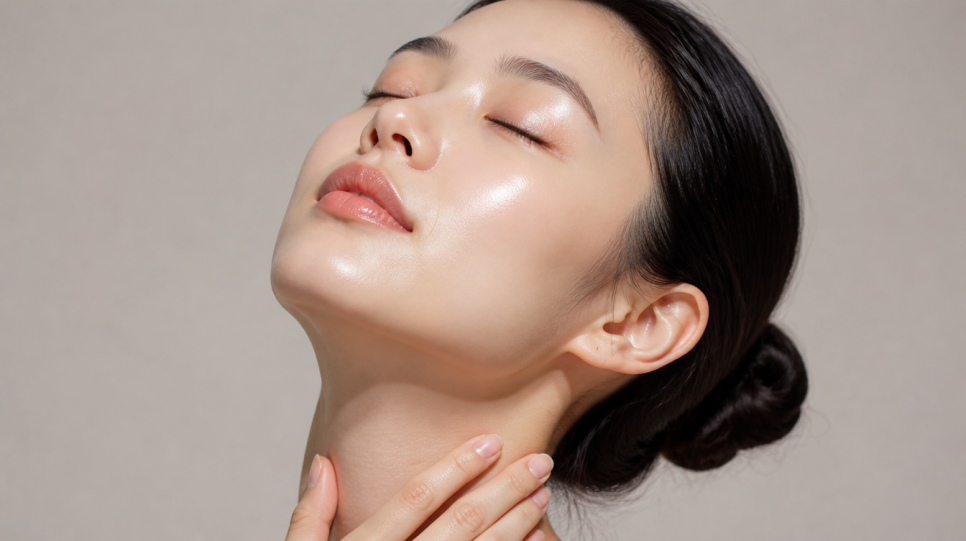
The core concept is closer to helping the skin's regenerative environment and supporting the process by which damaged tissues heal themselves. Today, I will try to explain, without misunderstanding, how Pyeongtaek stem cell treatment is utilized in dermatology.
Thinning skin is not just a matter of moisture
As we age, we often attribute thinning skin and loss of elasticity solely to dryness. However, more complex changes occur within the skin. Collagen and elastin gradually decrease, and the signal transmission between cells is no longer as active as before.
On top of this, daily burdens accumulate.
- Accumulated UV exposure reduces the dermis's ability to recover.
- Stress and lack of sleep disrupt the skin's regenerative rhythm.
- External irritants like fine dust put a strain on the barrier function.
When these factors accumulate, the skin's inherent ability to heal itself can gradually weaken. This is why there are times when surface-level treatments alone cannot reach the changes occurring deep within the dermal layer.
Good skin starts with its environment, rather than just filling it
Therefore, recently, approaches that focus on maintaining a healthy skin environment itself, rather than forcibly filling the surface, are also being used.
Good skin doesn't start with adding something, but with creating conditions where the skin can regain its balance on its own.
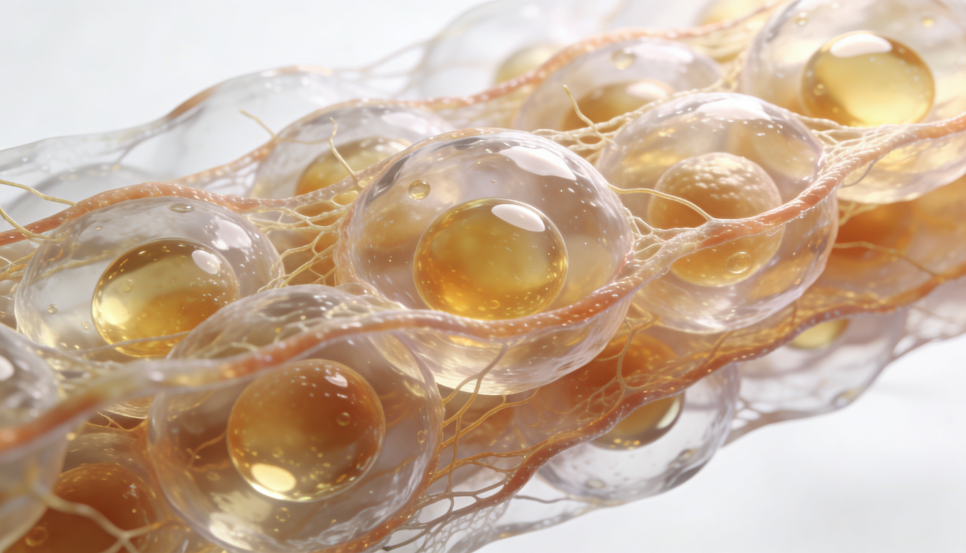
A simple analogy is gardening. Just as plants grow on their own when the soil is prepared and provided with nutrients, water, and sunlight, rather than attaching artificial flowers by hand, stem cells or stem cell-derived components in the skin can be utilized to create an environment conducive to tissue recovery through various growth factors and signaling substances.
In this process, signal transmission necessary for collagen production and tissue regeneration occurs, and conditions for improving skin condition are created. To summarize, it is not a technology that creates new skin, but a concept that supports the skin's inherent ability to recover. Understanding it this way significantly narrows the gap between expectation and reality.
How are ingredients delivered to the necessary layers?
Since topical application alone often makes it difficult to reach the desired depth, the delivery method becomes crucial. In clinical practice, methods such as micro-injection devices, microneedle systems, and automatic injection devices are used to evenly deliver ingredients to the skin layers. Depending on the need, laser or microneedle treatments may also be considered in conjunction to create a regenerative environment by providing gentle stimulation to the skin.
Compared to topical application, these methods can help deliver ingredients to the targeted layer. However, the specific technology and ingredients used will vary depending on the skin condition and purpose, so a thorough diagnosis must precede.
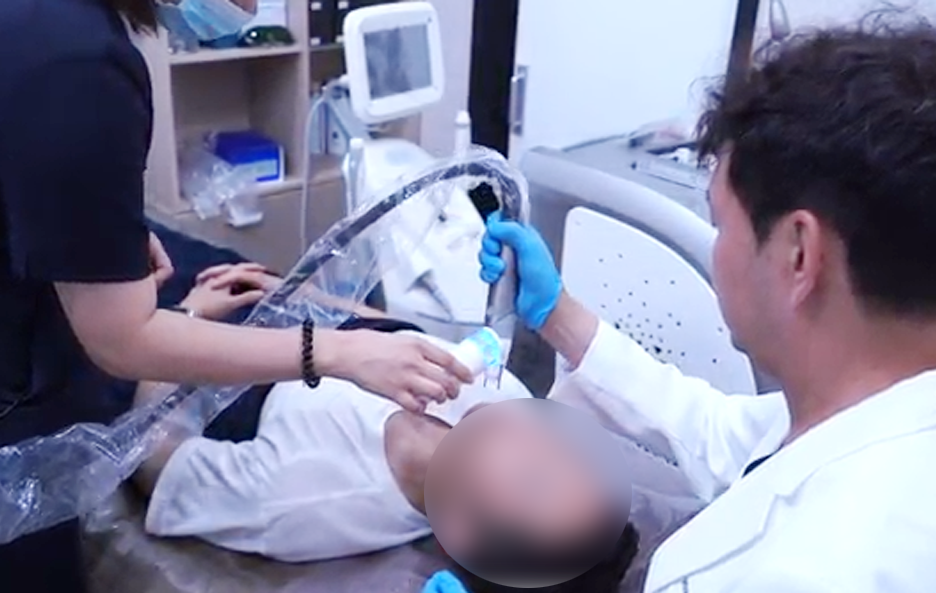
Even with the same stem cell-based treatment, the application method may vary depending on skin type and concerns. The perceived changes often appear gradually over time, rather than all at once. Initially, some may feel that their skin looks more hydrated or that its texture is refined, and later, they may hope for their condition to remain stable. Of course, individual skin conditions and lifestyle habits can lead to differences in response, so treatment plans are sometimes set at regular intervals.
If you have any questions, please feel free to inquire via chat now [blocked]. Costs will be provided after consultation.
It should be viewed as a process, not a standalone solution
It is difficult to reverse deeply progressed sagging or tissue loss with a single method. Therefore, it is more realistic to consider different approaches depending on the nature of the skin concern.
In other words, stem cell-based treatment is not a method that solves all problems alone, but rather should be viewed as one process in creating a skin regenerative environment. Additionally, if you are pregnant or breastfeeding, or have severe skin inflammation, it is advisable to decide on treatment more carefully.
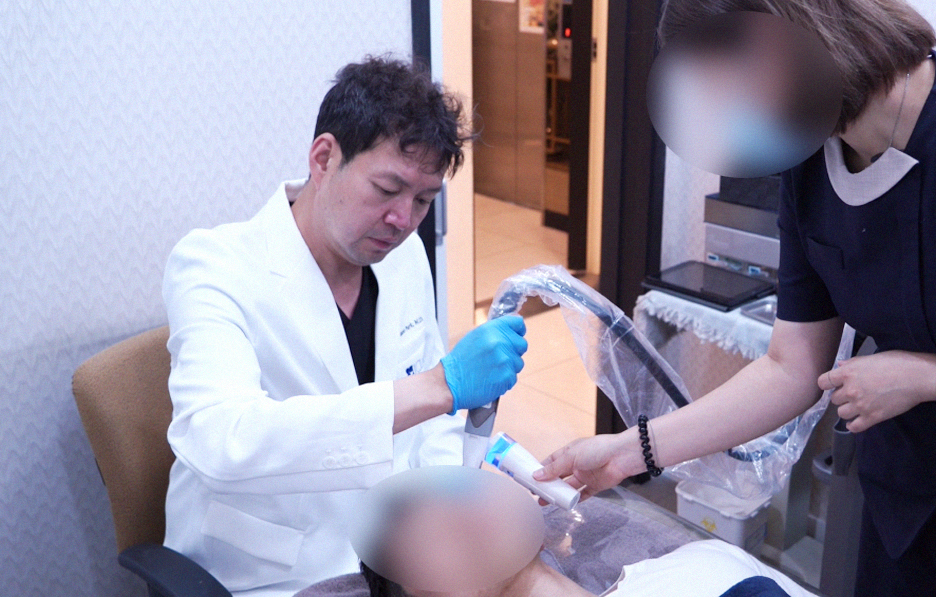
How is it actually performed in the Consultation Room?
In the Consultation Room, the process always begins with observation. We examine skin thickness, elasticity, dryness, and pore condition to first determine the treatment goal. Afterward, the skin is thoroughly cleansed, and if necessary, a numbing process is performed, followed by the even delivery of ingredients to the skin layers using micro-injection devices or automatic injection systems. After the procedure, soothing care may also be provided.
Daily life generally recovers quickly, but there may be differences depending on skin condition. Temporary redness or small marks may be visible from the micro-injection process, but these are generally reported to subside naturally over time.
For example, let's consider an office worker whose skin has become rough due to long hours of sitting, frequent overtime, and lack of sleep. In such cases, rather than just changing moisturizing products, it is better to comprehensively assess the skin condition and then approach it with a combination of regenerative care and lifestyle improvements. This means that just as there are multiple causes for concerns, management methods can also vary from person to person. If you want to get a sense of how the overall skin is examined, the Skin & Laser Consultation Guide can be helpful.
What to take care of at home after the procedure
Half of the care continues outside the clinic.
- On the day of the procedure, avoid strong friction, saunas, alcohol, and excessive exercise.
- Be more diligent than usual with moisturizing and Sun Protection.
- For a few days, temporarily avoid strong exfoliants or functional cosmetics.
- Maintain your recovery rhythm with Adequate water intake and regular sleep.
This type of care can help soothe skin that has become sensitive for a few days. If you are considering lifting, reading Why Consult When Changes Begin together may help you determine the timing.
If you find it difficult to decide which sequence is right for your skin, we recommend checking your skin condition first with a chat consultation [blocked]. Costs will be provided after consultation.
In closing
Pyeongtaek stem cell treatment is less about creating dramatic changes and more about a process that helps the skin maintain its inherent regenerative capabilities in a healthy way. Focusing on the skin slowly finding its balance rather than a flashy reversal. I believe that is the starting point for comfortable skin care that looks good over time.
This article was reviewed and refined by Lead Directors Park Min-soo (7th President of the Korean Society for Laser Dermatology and Hair, Adjunct Professor at Hanyang University College of Medicine) and Lee Yu-seok (Vice President of the Korean Society for Laser Dermatology and Hair, 20 years of clinical experience). Last reviewed 2026-07-27.