
Pyeongtaek acne FAQs: Recurrence and treatment order.
Six questions we hear most: relapse, sequence, devices.
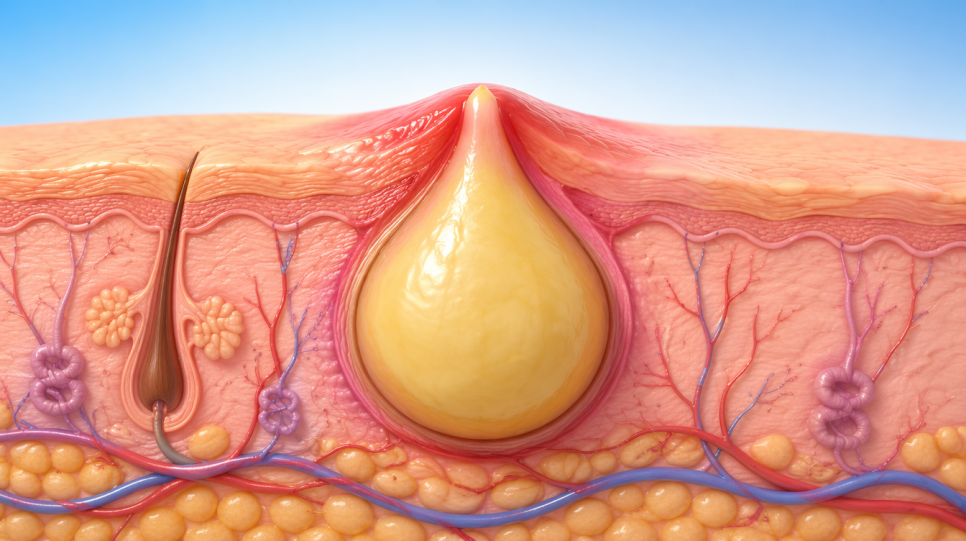
"The inflammation has completely subsided, so why does it keep reappearing in the same spot?" This is a question I frequently receive during Acne Treatment consultations in the Consultation Room. It's easy to think that treatment is over once the redness disappears and the skin becomes smooth, but acne is not just a surface problem. It's closer to a chronic skin condition involving sebum secretion, changes in pore keratin, skin environment, and lifestyle habits.
Today, I'd like to gather and answer some frequently asked questions from those concerned about acne in Pyeongtaek. The focus is not just on eliminating visible acne, but on why it's important to understand the root causes of recurrence and manage it with a personalized approach.
Even if it looks like the same acne, the approach should differ if the skin condition is different.
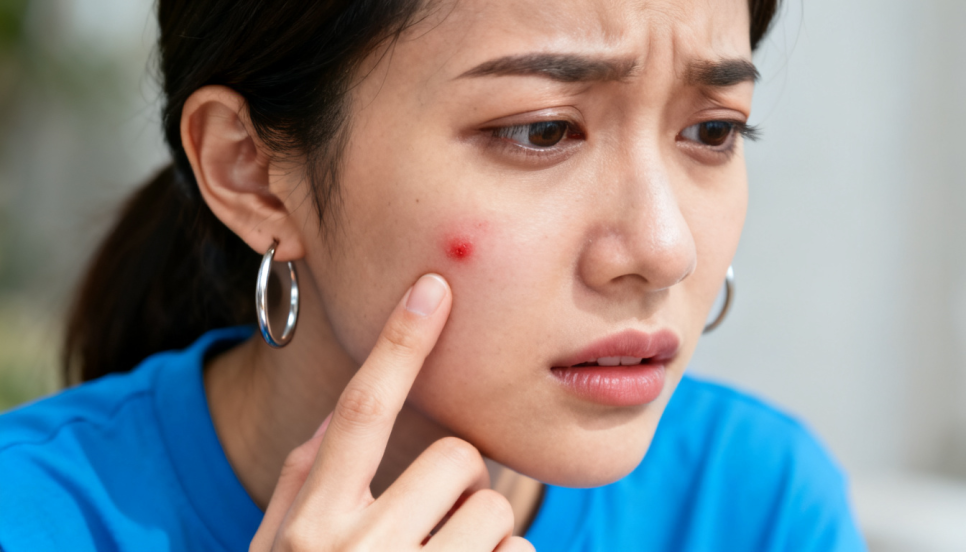
Q. It seems to have healed, so why does it reappear?
Many people experience acne even after becoming adults. Factors such as accumulated stress, irregular sleep for office workers, frequent mask-wearing environments, and changes in makeup and cleansing habits can lead to adult acne.
When sebum secretion increases and the keratin at the pore opening thickens, sebum cannot be properly discharged. When bacteria present on the skin and inflammatory reactions are added to this, it develops into the red acne or pustular acne that we commonly see.
It's easier to understand with a house analogy. If a sink drain is blocked by hair and foreign objects, water accumulates and eventually overflows. Acne can be seen as a structure where sebum accumulates and inflammation occurs when the "drain" of the pore is blocked.
Q. Is treatment completed with just one method?
That is often not the case. Various methods are combined depending on the skin condition.
- For severe inflammation: Medication to control inflammatory reactions and sebum secretion
- For many comedones: Appropriate extraction combined with skin care
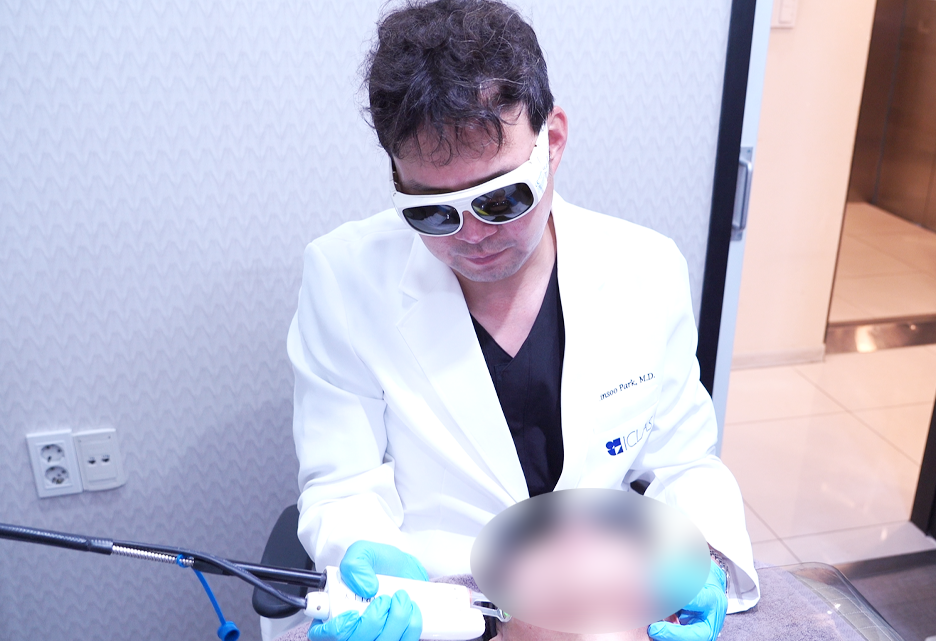
- For redness and inflammation management: Laser or light-based devices are used to deliver energy of specific wavelengths to control sebaceous gland activity and inflammation
- For improving skin environment: High-frequency devices deliver thermal energy to skin tissue
In cases accompanied by scars, approaches that induce collagen production by stimulating skin regeneration through subtle thermal stimulation or the formation of microscopic channels may also be used. It's good to understand that the core of acne treatment in Pyeongtaek is not to erase acne, but to help the skin maintain a stable environment on its own. You can find more specific information on actual methods and sequences in the Acne Treatment Guide.
Q. Does a good device name mean good results?
Many people consider the device name most important, but in the Consultation Room, it's much more important which principle of device is applied to which skin condition. Even with the same device, skin reactions can vary depending on energy intensity, treatment area, and treatment interval, so a plan considering the individual's condition comes first.
By principle, it can be divided as follows:
If you want to learn more about how each device works, referring to the Skin & Laser Treatment Guide will help you understand it more easily.

Q. When and how can I expect to feel the effects?
In cases of severe inflammation, you can expect changes such as reduced redness and a decrease in the frequency of new acne over time. Skin texture and roughness often change gradually with repeated management.
Rather than an immediate noticeable change, it's closer to a process where the skin condition gradually stabilizes. After the procedure, temporary redness or heat may appear, and the Recovery period may vary depending on individual differences.
If you have any questions, feel free to ask through Chat for a Consultation Now [blocked].
Q. Can recurrence be prevented with a single treatment?
It is difficult to completely prevent recurrence with a single treatment. Factors such as hormonal changes, lifestyle habits, and stress continue to have an impact. Therefore, depending on the skin condition, medication, extraction management, laser treatment, moisturizing care, and Sun Protection are often planned together.
Good treatment is not strong treatment, but appropriately selecting the treatment needed for the current skin.
Excessive extraction or aggressive home care can actually increase the risk of hyperpigmentation or scarring, so caution is needed. If traces have already started to remain, a separate approach such as Scar & Keloid Treatment may also be considered.
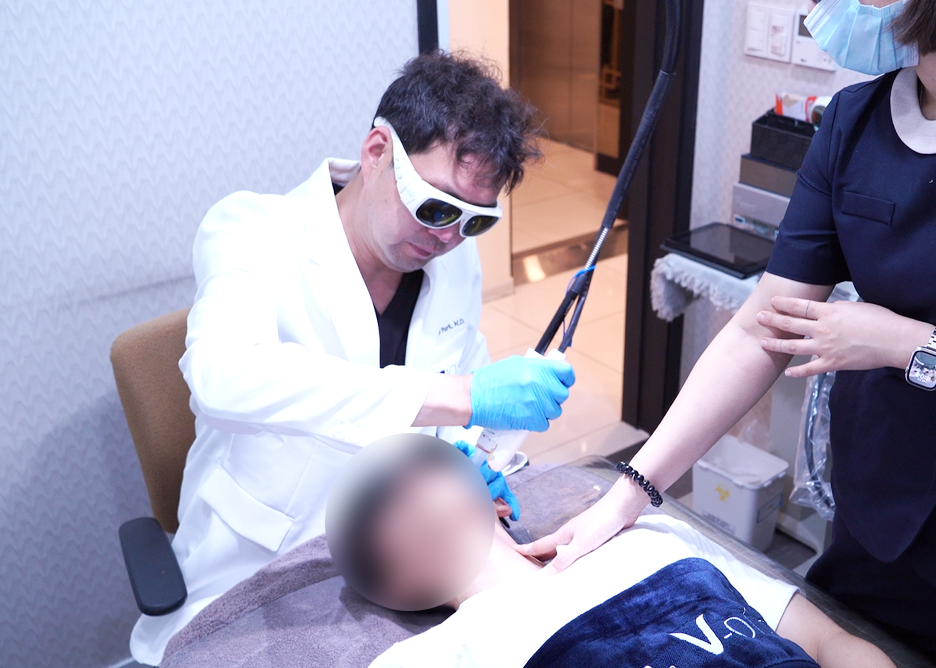
Q. What is the treatment sequence?
Acne treatment in Pyeongtaek usually starts with a thorough assessment of the skin condition. A management plan is established after examining the degree of inflammation, sebum secretion status, presence of scars, and skin sensitivity. If necessary, the skin is prepared after cleansing, and preparation procedures are carried out according to the treatment area.
Afterward, the selected device or treatment is performed, and cooling or moisturizing care for skin soothing may be provided. Finally, you will be guided on daily care methods to follow and the timing of the next treatment. Please note that costs vary depending on the condition and plan, so we usually provide guidance after a consultation.
For example, imagine a 20-something office worker who repeatedly develops inflammatory acne around the forehead and chin due to long hours of computer work and frequent overtime. In this case, it is common to approach it by not only managing the current acne but also examining sebum secretion patterns and skin irritants together, combining appropriate treatment with lifestyle management. The necessary methods and management period may vary depending on the individual.
Q. What precautions should I take at home after the procedure?
After the procedure, the skin may be temporarily sensitive, so it's best to avoid strong scrubs or exfoliation for a few days. Gentle cleansing and maintaining sufficient moisturizing and Sun Protection help with Recovery.
Alcohol consumption and smoking can affect skin recovery, so abstinence for a certain period is sometimes recommended, and it's also good to reduce habits of touching or squeezing acne with your hands. Thinking of acne as a continuous process of caring for your skin environment rather than a problem to be solved in the short term can bring more peace of mind.
You may also find it helpful to read Why Pyeongtaek Acne, Scars, and Pores Should Be Examined Together and The Story of the Cause of Recurrent Acne, which address similar concerns.
Today's Summary
The cause and recovery speed differ for each skin type. Accurately assessing the current condition and establishing a personalized management plan can help reduce recurrence and maintain a more stable skin condition. If you find it difficult to make a judgment alone, please use Leave Your Condition for Chat Consultation [blocked], and we will help you set a direction according to your condition.
This article was reviewed by Lead Directors Park Min-soo (7th President of the Korean Society for Laser Dermatology and Hair, Adjunct Professor at Hanyang University College of Medicine) and Lee Yu-seok (Vice President of the Korean Society for Laser Dermatology and Hair, 20 years of clinical experience), sharing their clinical perspectives. Last reviewed 2026-07-27.