
Pyeongtaek melasma: laser toning vs. other pigmentation treatments
Laser toning, placed side by side with other pigment treatments.
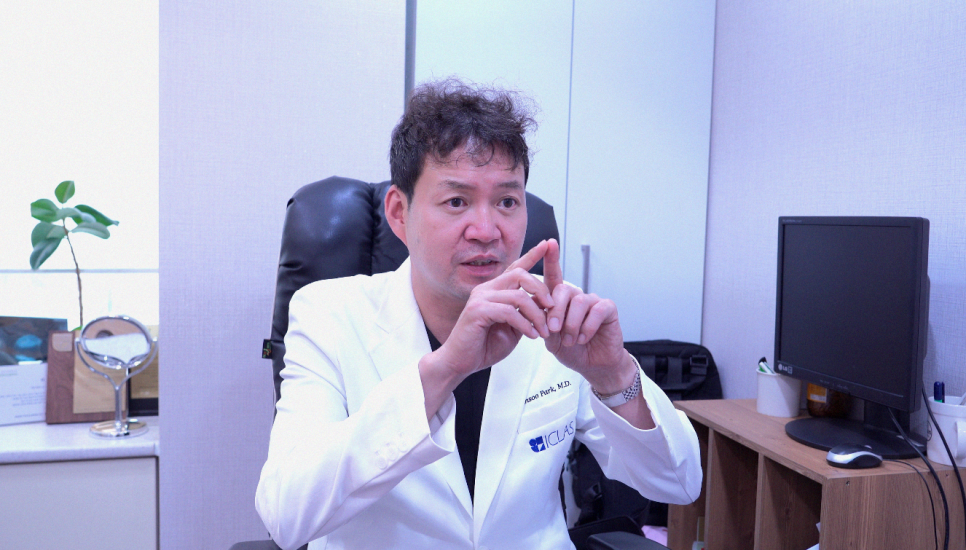

You've probably had the experience of looking in the mirror and seeing your cheeks or cheekbones looking particularly dull, and feeling frustrated because makeup doesn't cover it well. Melasma isn't just a simple surface problem where the skin darkens; it's a concern involving the entire process of pigment production. It's easy to assume it will fade on its own once it appears, but if UV exposure, hormonal changes, and lifestyle habits repeatedly overlap, the boundaries can actually become more distinct.
Rather than a single treatment, how you manage the skin's pigment production process is what makes a lasting difference for melasma.
So today, we'll focus on Laser Toning, which is frequently asked about by those considering melasma treatment in Pyeongtaek. We'll compare it to other pigment treatments and highlight easily overlooked management points.
Why Melasma Should Be Viewed Differently from Common Blemishes
Melasma is a pigmentary disorder characterized by excessive and irregular melanin pigment production in the deeper layers of the skin. It's not a structure that can be simply removed by excising one part; rather, we need to look at the entire environment that causes the skin to continuously produce pigment.
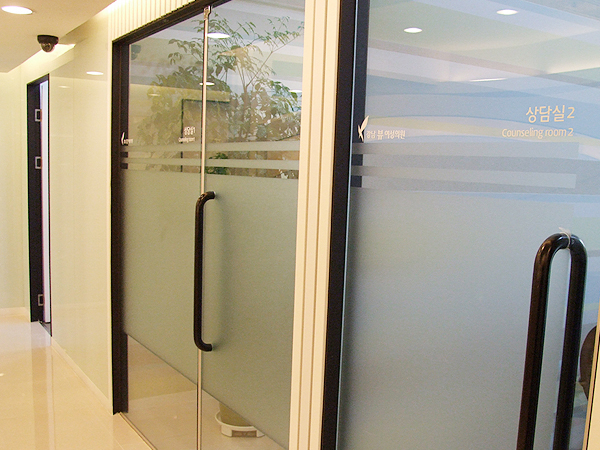
If frequent UV exposure, repeated skin irritation, lack of sleep, and hormonal changes overlap, melanocytes can become activated, making melasma appear progressively clearer. Therefore, for melasma treatment in Pyeongtaek, we recommend an approach that considers not only the pigment visible now but also the possibility of future occurrences. The starting point for such pigment concerns is often to first assess the condition within the Skin & Laser Consultation Room area.
How Does Laser Toning Approach Pigmentation?

Many people imagine Laser Toning as a procedure that erases pigment all at once with a strong laser, but the principle is a bit different.
It's easier to understand it as a process of slowly breaking down a large stone into small particles, rather than shattering it all at once.
Laser Toning is a treatment method designed to selectively react to melanin pigment by repeatedly applying low-energy laser. Rather than concentrating strong stimulation on the entire skin tissue, it often proceeds in a way that gradually breaks down pigment and helps the skin to self-regulate. Therefore, it is important to finely adjust the energy intensity, treatment area, and repetition interval according to the skin condition. You can find more specific information about the actual equipment and methods in the Miin Laser Toning Guide.
Even Dark Pigments Have Different Types
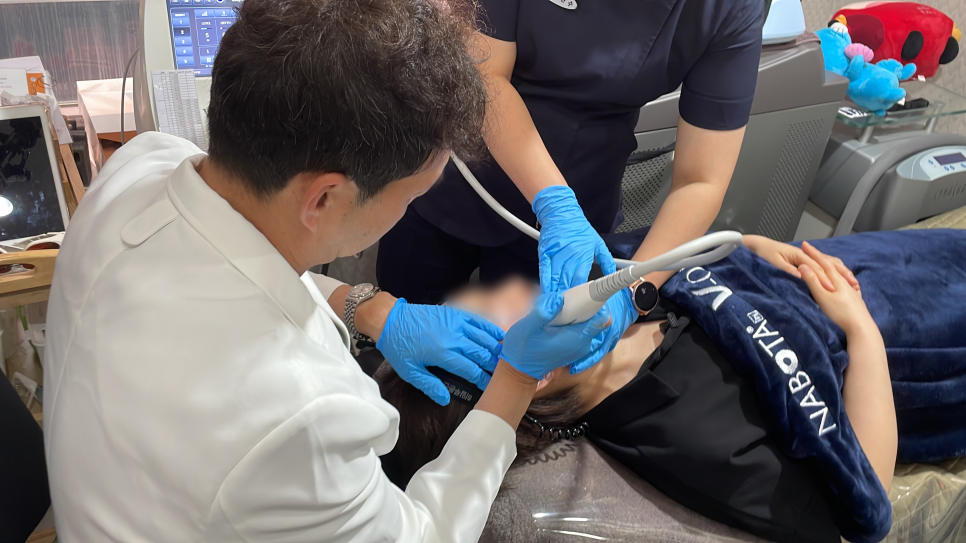
It's not uncommon for what appears to be melasma to actually be a mix of freckles, blemishes, or post-inflammatory hyperpigmentation remaining after inflammation has subsided. Since different types of pigment react differently, it's better to distinguish them first rather than treating them all with a single procedure. In the Consultation Room, it's surprisingly common to need different approaches for different pigments even in the same area.
If other pigments are mixed with melasma as described above, Vascular Laser or other pigment treatments may also be considered, so it's best not to commit to just one method from the start.
How Many Laser Toning Sessions Are Needed?
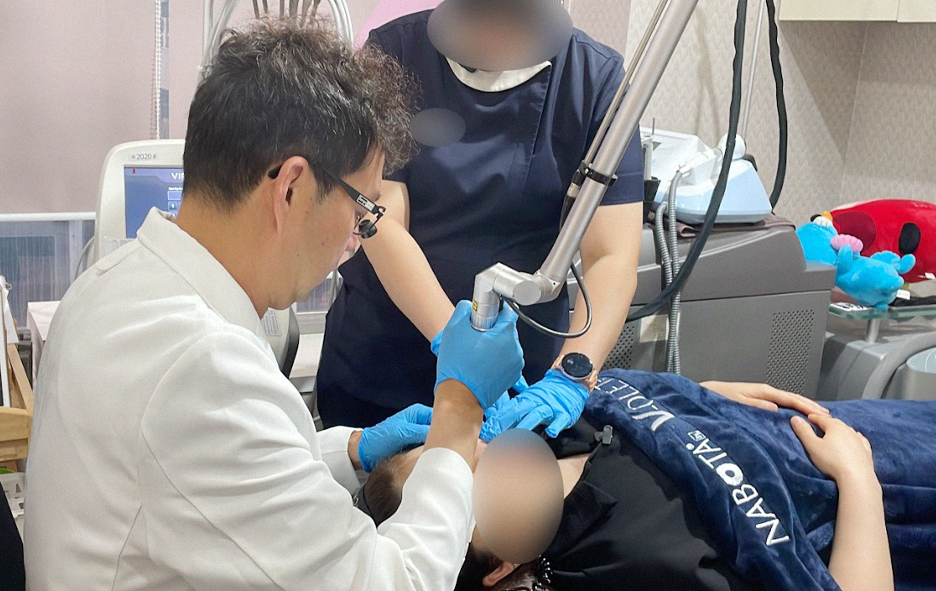
The most common question during consultations is about the number of sessions. Typically, multiple sessions are considered, and it's common to plan by checking the skin's response at regular intervals. However, not everyone undergoes the same number of sessions. The approach can vary greatly depending on the depth and distribution of melasma, skin sensitivity, past pigment treatment experience, and usual UV exposure.
The time taken for the procedure is also not very long for the entire face, but it can vary depending on the treatment area and accompanying care. Therefore, rather than setting a fixed number of sessions from the beginning, it's more natural to adjust the plan with the medical staff while observing skin changes. Since there can be individual differences, the cost is generally provided after consultation.
If you have accumulated questions, you can start by checking your skin condition by asking comfortably via chat now [blocked].
A Clear Plan Emerges After Distinguishing Pigments
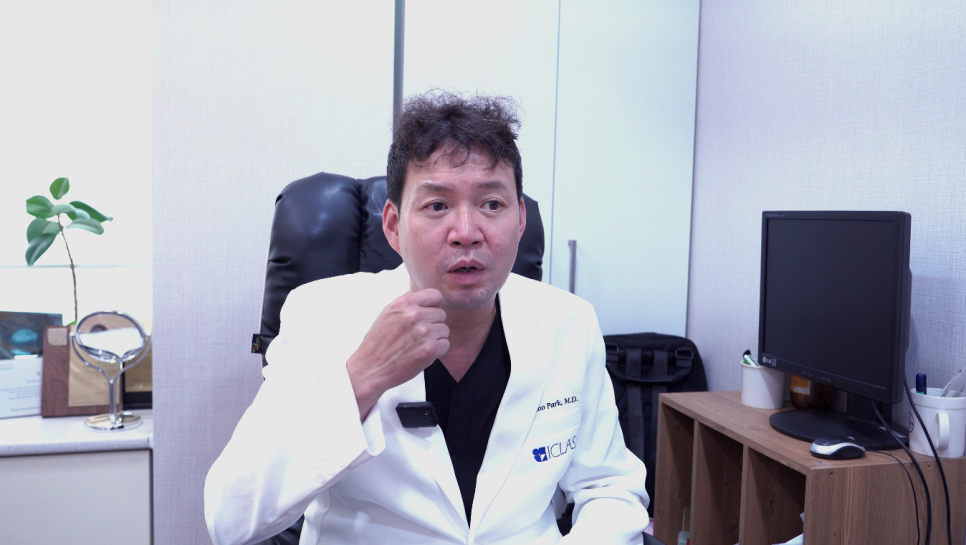
If the skin barrier is weakened, it may be in order to stabilize moisture and skin condition first, rather than immediately applying laser treatment. Depending on the situation, other pigment lasers or skin regeneration management may also be considered. It's good to remember that even if it looks like the same melasma, the treatment plan can change if the skin condition is different.
If melasma and blemishes repeatedly occur, lifestyle aspects need to be examined as much as the procedure itself. This part is covered in more detail in Lifestyle Habits to Check When Melasma and Blemishes Recur.
Lifestyle Management After the Procedure Determines the Results

Some people may feel their skin is temporarily dry or sensitive after receiving Laser Toning. Here's a summary of things that are good to take care of during this period:
- Temporarily reduce excessive exfoliation and strong friction.
- Reduce time spent in hot environments like saunas.
- Continue moisturizing a little more thoroughly than usual.
- Make Sun Protection a daily habit, not just immediately after the procedure.
Melasma is particularly affected by UV rays, so maintaining a consistent habit of Sun Protection even after the procedure can help with pigment management.

Another easily overlooked aspect is not just observing the lightening of the color after the procedure, but also checking for any skin irritation or new pigment changes. By adjusting the plan for the next session based on these observations, you can maintain your skin's progress without overdoing it.
Ultimately, What Matters Is a Sequence Tailored to Your Skin
Melasma is not a concern that ends by simply erasing the visible pigment. The process of examining why the skin produces a lot of pigment, what kind of irritation it is currently experiencing, and what lifestyle management is needed in the future leads to lasting results.
For melasma Laser Toning in Pyeongtaek, the key is a treatment method that gradually approaches based on skin condition and plans alongside lifestyle management, rather than a single strong treatment.
To find the right direction for your skin, a good starting point is to thoroughly check the characteristics of your current pigment and skin condition, then create a personalized plan. If you're unsure where to start, try lightly by checking your pigment condition with a chat consultation [blocked].

This article was jointly reviewed from a pigment treatment perspective by Lead Director Park Min-soo (7th President of the Korean Society for Laser Dermatology and Hair, Adjunct Professor at Hanyang University College of Medicine) and Lead Director Lee Yu-seok (Vice President of the Korean Society for Laser Dermatology and Hair, 20 years of clinical experience). Last reviewed 2026-07-27.