
Pyeongtaek skin tags: checking skin condition before removal
Before the removal method: why they appeared there, now.
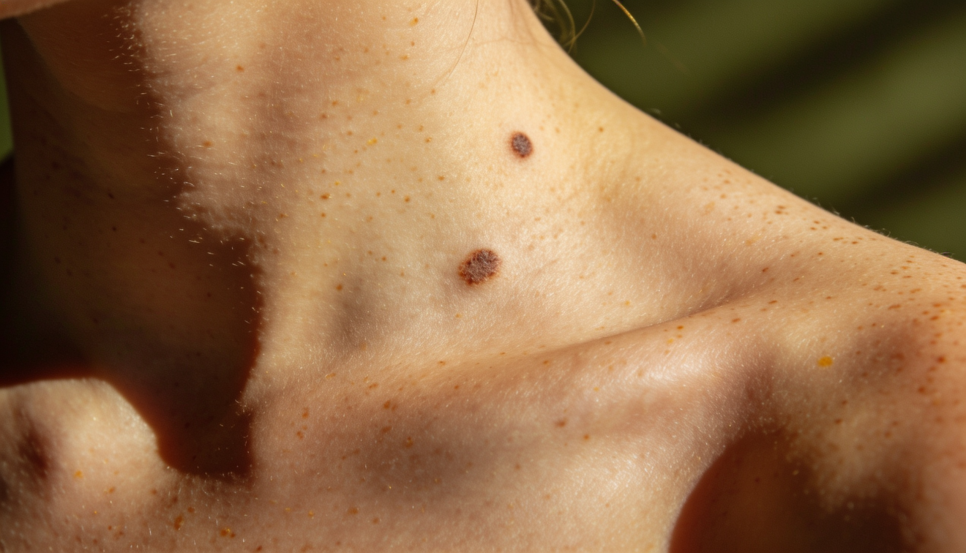

Many people say that when they start to see one or two small bumps on their neck or around their eyes in the mirror, or in a casually taken photo, their first thought is, "When did these appear?" At our Gangnam View Best Clinic in Pyeongtaek, we consistently see people seeking consultations for skin tags, and most of them are curious not just about removal itself, but "how to approach it correctly given my current skin condition."
The Moment Small Bumps Catch Your Eye
One working woman in her 30s visited us because small bumps were increasing around her neck, bothering her whenever they brushed against her collar or necklace.
"At first, I didn't think much of it, but after seeing myself in a photo, they kept catching my eye."
We often hear such remarks. It's not uncommon for people to suddenly become aware of them in their daily lives, and from that moment on, the worry begins. It's also common to hear that memories of when they first appeared are hazy, or that the number seems to be increasing.
Why and Where Do Skin Tags Often Appear?
Skin tags appear as small, raised growths on the skin's surface. The approach to treatment can vary depending on their size, number, and location, but they tend to be noticeable in areas with frequent friction.
- Neck: An area where friction from collars and necklaces is repeated.
- Around the eyes: A delicate and sensitive skin area where the condition needs to be observed more carefully.
- Armpits: An area with a lot of movement and friction, where recurring patterns are also considered.
Even if they look similar on the surface, the pattern of occurrence can differ depending on skin structure and lifestyle habits. That's why in the Consultation Room, rather than simply categorizing them as "present" or "absent," we also check their size, whether there's accompanying irritation to the surrounding skin, and if they follow a recurring pattern.
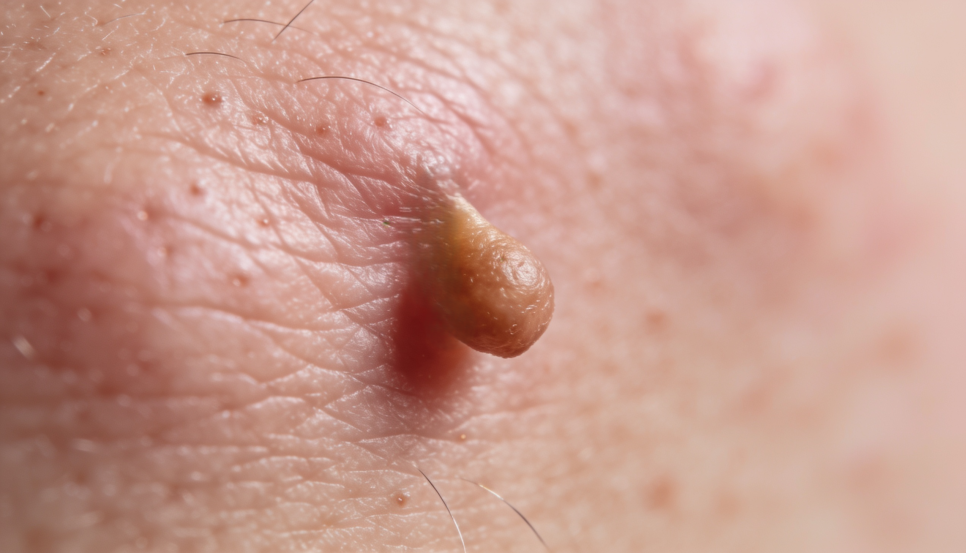
How Are Removal Methods and Time Determined?
Laser or electrocautery methods are often used for skin tag removal. The duration of the procedure varies depending on the number and location, and while it can sometimes be completed in one session, a plan may be divided into multiple sessions depending on the skin condition or number of tags.
Both time and number of sessions are determined by various conditions rather than a single standard. Costs also vary depending on the number, scope, and area, so it is more accurate to provide cost information after a consultation. If you would like to learn more about how laser-based approaches are utilized, you may also refer to our Skin & Laser Treatment Guide.
If you have any questions, you can also click Chat for a convenient consultation now [blocked] to inquire about your current condition first.
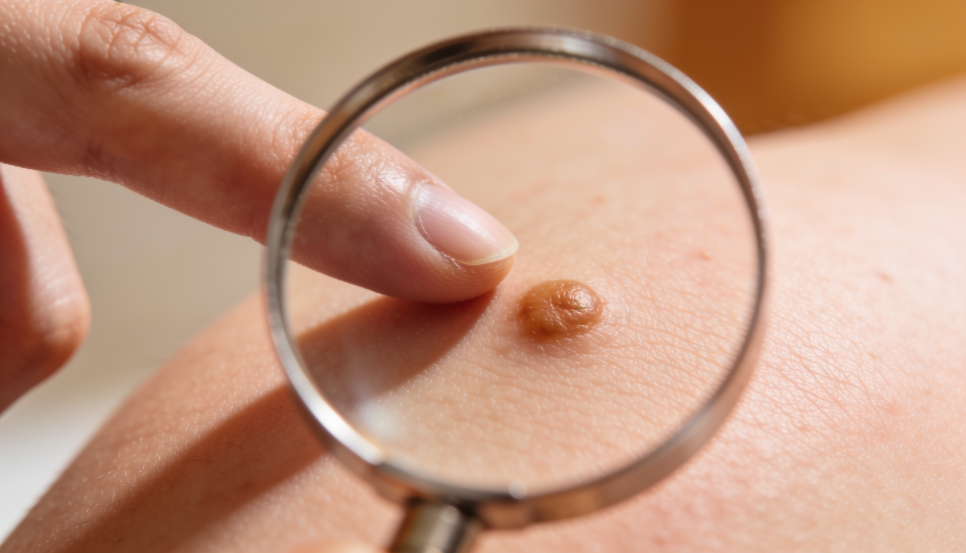
What Do We Look at First During a Consultation?
A consultation begins with checking the skin surface condition and the form of the bumps. The first step is to determine whether it is simply a skin tag or if it's a condition that needs to be distinguished from other skin changes.
Afterward, the following factors are checked:
- Whether it's a recurring pattern
- Whether skin irritation is present
- The possibility of surrounding skin reactions after removal
Especially for areas with a lot of movement, such as the neck or armpits, plans often consider lifestyle habits as well. If you have similar spot-like changes, also reviewing the perspectives discussed in Pyeongtaek Mole Removal: Things to Consider Before Removal can make understanding much easier.
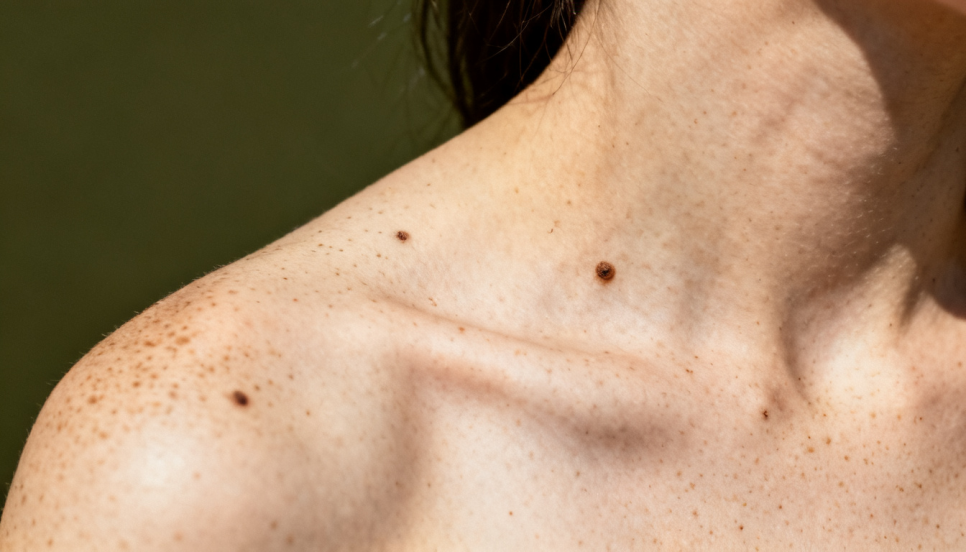
Why Post-Removal Care Is Essential
After removal, you may experience some dryness or minor irritation as the treated area heals. During this period, it's helpful to reduce irritating friction and observe your skin condition calmly. Since individual differences in healing responses can occur, we recommend checking in if any changes concern you.
Another important aspect is to observe whether similar changes reappear in the same area or nearby over time. This is because recurrence patterns can vary depending on lifestyle habits and skin characteristics. If marks or traces tend to linger, referring to the management guidelines in our Scar & Keloid Treatment Guide can also be a good approach.
In summary, skin tags are not simply something to be removed and forgotten; they are changes that require an approach that also considers the subsequent course of your skin.

Frequently Asked Questions
Should all of them be removed at once? In some cases, removal is performed in stages depending on the number or location. It is more natural to check the skin condition first and then make a plan.
Can they reappear after removal? Cases of similar forms reappearing due to individual skin characteristics or friction environments have been reported. This is why lifestyle habits are also considered.
How long does the procedure take? If there are few, it may be relatively short; if the area is wide, it may require a bit more time. It varies depending on the condition, so we will inform you during the consultation.

Concluding Remarks
In the process of worrying about skin tags, we believe it's more important to understand why they appeared and what your current skin condition is, rather than just how to treat the visible bumps. Even small changes can sometimes lead to discomfort in daily life.
During the consultation, we determine the direction by checking various factors such as the number, location, and recurrence. This is why the approach can differ even for the same symptom. When the process of fully understanding the current condition comes first, subsequent plans can be organized much more smoothly.
If even a small bump has started to bother you, you can comfortably begin by checking your current condition with a chat consultation [blocked].

This article was reviewed by Lead Director Park Min-soo (7th President of the Korean Laser Dermatology Hair Society, Adjunct Professor at Hanyang University College of Medicine) and Lead Director Lee Yu-seok (Vice President of the Korean Laser Dermatology Hair Society, 20 years of clinical experience), who shared their clinical perspectives. The last review date was July 27, 2026.