
Pyeongtaek Station acne: Understanding types reveals management direction
Comedones, inflammation, pustules — sorting the type points the way.
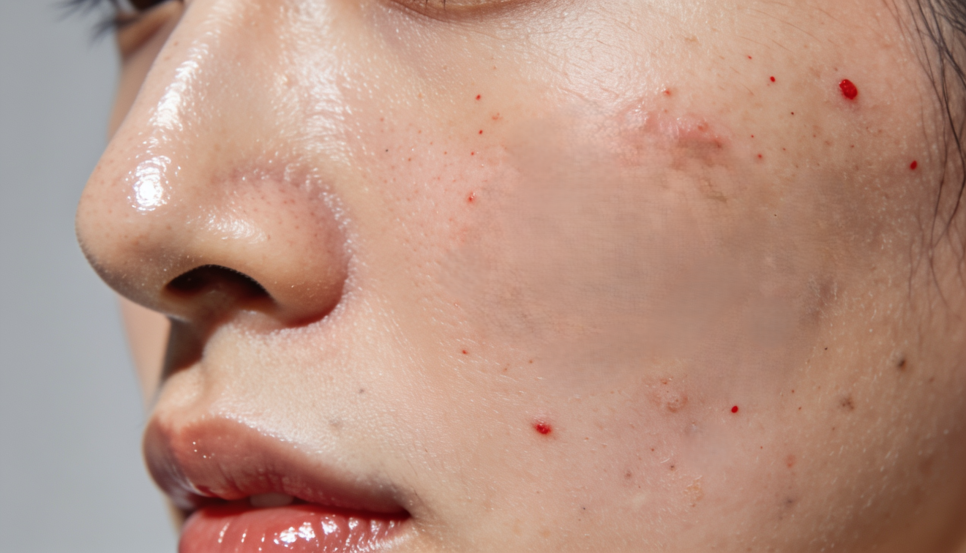

Many people feel disheartened when new acne appears every time they look in the mirror. What starts as a small bump can swell red in a few days, often leaving marks after it subsides.
When listening to those who visit us for Acne Treatment near Pyeongtaek Station, we notice common themes. They say things like, "It gets better, then comes back," "Even after extraction, it's only temporary," or "My cheeks are always red and bumpy." This often means that focusing only on visible acne can lead to missing the underlying cause.
In this article, we will categorize acne by type and discuss what factors to consider for each.
How Does Acne Begin?
Acne starts inside the pores. When sebum, which should normally exit, gets tangled with dead skin cells and blocks the pore opening, a comedone forms inside. When bacteria and inflammatory reactions are added, it progresses into the red acne we are familiar with.
Adult acne often appears repeatedly in specific areas, such as the jawline, around the mouth, and on the cheeks. This is also why home care alone can be challenging. Rather than focusing on squeezing, it can be more helpful to understand why acne keeps appearing in the same spot to reduce the burden of recurrence.
In the Consultation Room, we often ask about the degree of sebum secretion and the recurrence cycle before counting the number of acne lesions. The visible lesions are merely a result; the direction of treatment is often determined by the cause.
Acne by Type
Not all acne is the same. The factors to consider can vary depending on its form, so we have summarized them in the table below.
As shown in the table, the approach for early comedonal acne and already scarred stages cannot be the same. Therefore, the first step is to assess which stage your skin is currently in. If you are curious about the management approach for each type of acne lesion, you can check the explanations for each item in our Acne Treatment Guide.
What Do We Check in the Consultation Room?
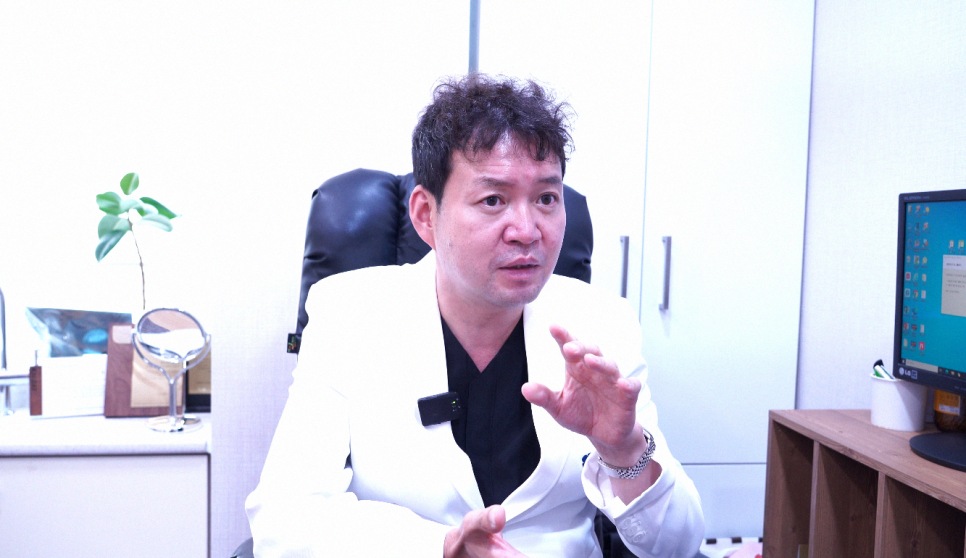
During a consultation, we don't just count the number of acne lesions. We also consider factors such as the degree of sebum secretion, skin exfoliation status, pore size, previously attempted management methods, and recurrence cycle to determine the treatment direction.
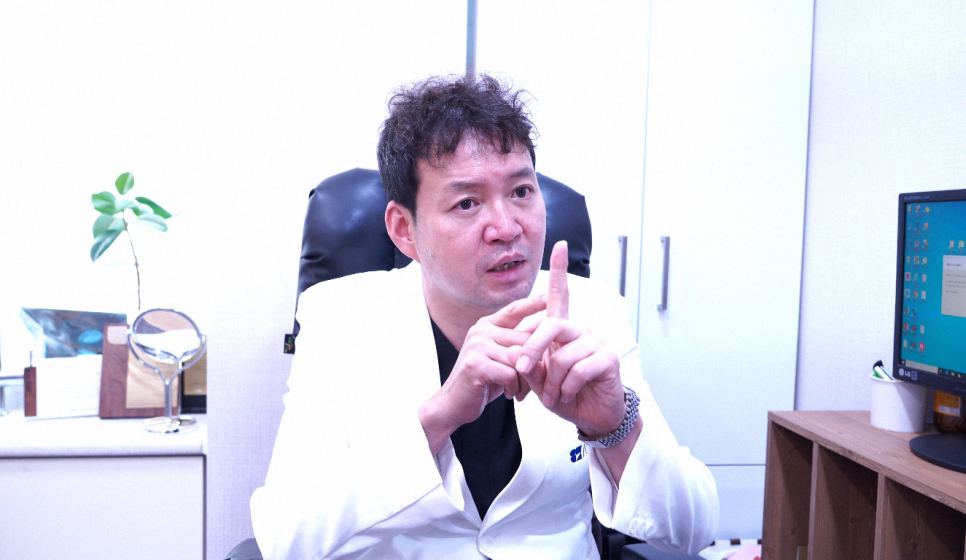
By comprehensively evaluating these various factors, it becomes clear that even with the same acne, priorities can differ from person to person. For some, sebum control is the priority, while for others, managing existing marks is more urgent.
If you have accumulated questions, rather than trying to figure it out alone, you can conveniently inquire about your current condition via chat now [blocked].
What is PDT?
PDT (Photodynamic Therapy) is one of the management methods known as photodynamic therapy. It involves applying a photosensitizer to the skin, allowing time for absorption, and then exposing the area to light of a specific wavelength. It is known as one of the methods considered when sebaceous gland activity is high or when acne repeatedly occurs.
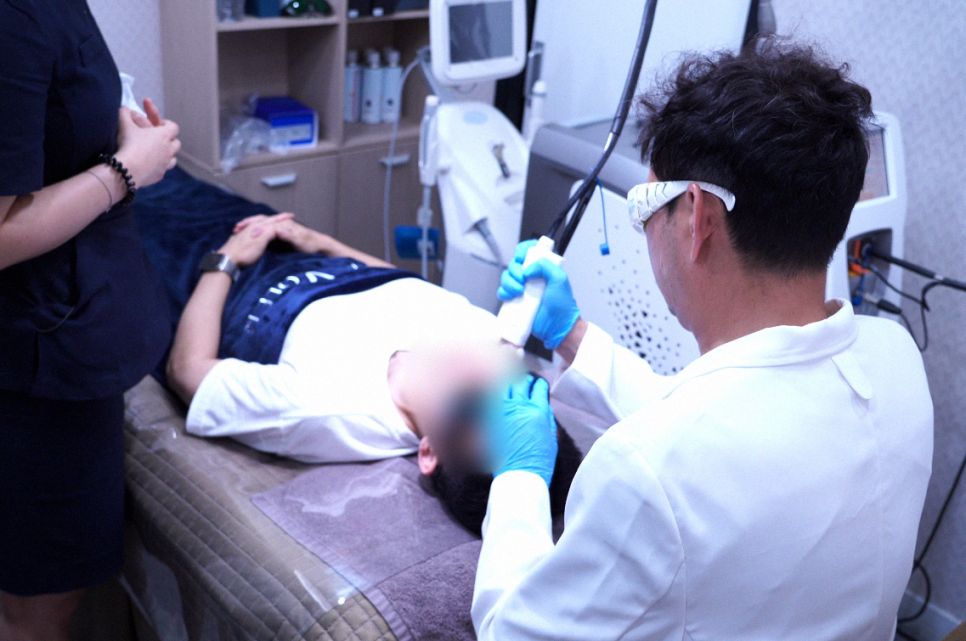
However, it is not applied uniformly to all types of acne. It may be considered in the following cases, but final suitability will be assessed after examining the skin condition.
- When acne repeatedly appears
- Skin with high sebum secretion
- When inflammatory lesions frequently occur
- When recurrence continues even after existing management
Since the effects and number of sessions can vary individually, it is advisable to decide after sufficient consultation.
Why Should You Address Marks and Scars in Advance?
Many people focus only on the acne that is currently present, but the marks and scars that remain afterward are equally important. Scars tend to require a longer management period once they have settled, so addressing them from the red inflammatory stage can reduce the burden.
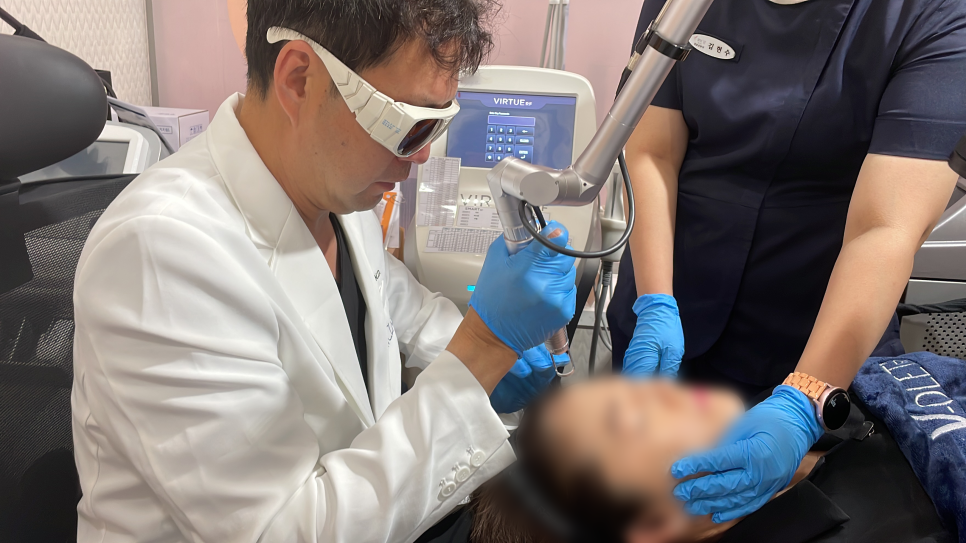
If you are concerned about existing indented scars or keloid-like marks, referring to the approaches in our Scar Treatment Guide may be helpful.
Daily Habits to Maintain at Home
Daily care is just as important as treatments in influencing the course of acne. Rather than elaborate rules, consistently following the points below is more practical.
- Sleep: When your condition deteriorates, your skin can also become more sensitive.
- Reduce Irritation: Habits like touching or squeezing with your hands can worsen inflammation.
- Cleansing: Washing too frequently or too vigorously can put a strain on the skin barrier.
- Consistency: Skin changes often appear over a certain period rather than just a few days.
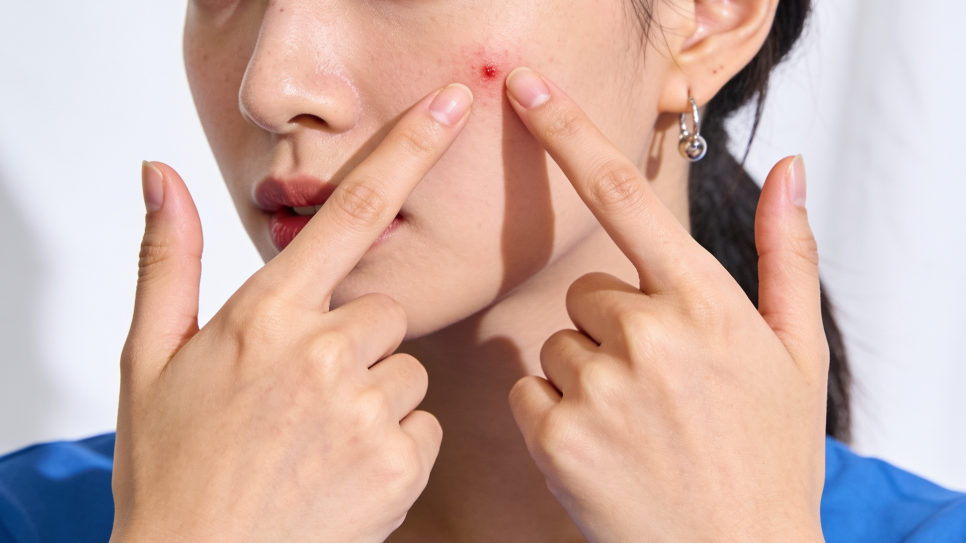
We often see a significant reduction in the burden of recurrence when lifestyle habits and clinic management work together. Reading our Acne Recurrence Management Story, which addresses similar concerns, can also help you understand the overall picture.
Frequently Asked Questions
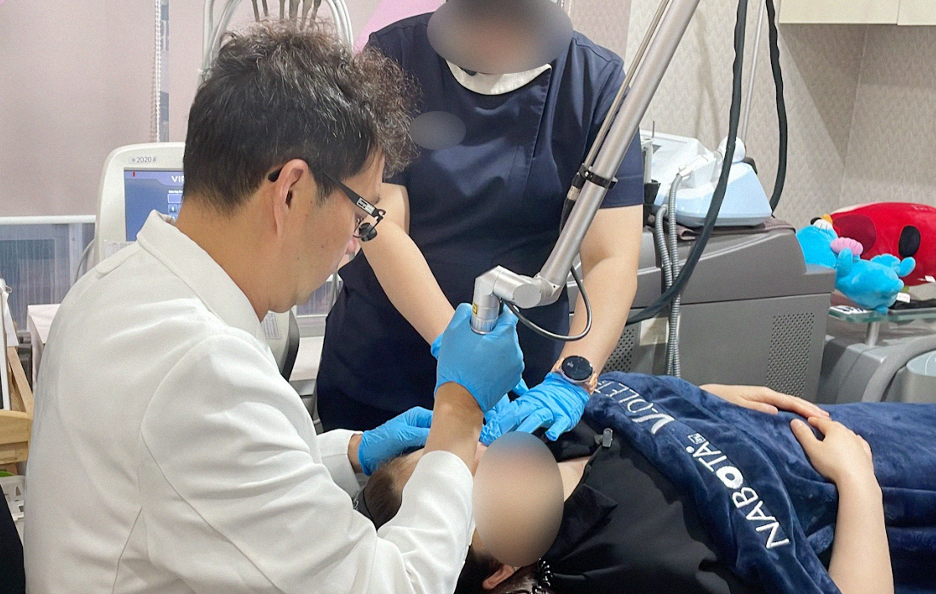
Q. Does adult acne also require management? If it is recurrent or severely inflamed, it may be helpful to have your current skin condition checked.
Q. Is one PDT session enough? It is difficult to say uniformly, as it can vary depending on your skin condition and management plan.
Q. Can I squeeze acne myself? We do not recommend excessive extraction, as it can worsen inflammation or increase the likelihood of scarring.
Q. Can existing marks also be managed? Various approaches may be considered depending on the type of mark and skin condition.
If you still have questions, feel free to start by asking about your skin condition via chat consultation [blocked]. We will inform you about the costs after the consultation.
In Closing
Acne is not just a simple skin problem; it is closer to an issue where sebum secretion, pore condition, and the skin environment are intertwined. Especially for recurrent acne, the process of examining the underlying causes, rather than just treating the visible lesions, can be crucial.
If you have been struggling with acne for a long time near Pyeongtaek Station, we recommend that you first carefully identify which stage your skin is in and what type of acne you have. Since each person's skin characteristics and acne forms differ, finding a suitable approach through sufficient consultation can be helpful.

This article's content was reviewed and refined by Lead Director Park Min-soo (7th President of the Korean Society for Laser Dermatology and Hair, Adjunct Professor at Hanyang University College of Medicine) and Lead Director Lee Yu-seok (Vice President of the Korean Society for Laser Dermatology and Hair, 20 years of clinical experience). Last reviewed on 2026-07-27.