
Before starting a diet in Pyeongtaek: why we read the body before the scale
What the scale cannot explain, and what rapid loss leaves behind.

Hello. We are Gangnam View Best Clinic, located in Pyeongtaek, and we support healthy eating habits by considering each individual's body shape and lifestyle rhythm. The moment one decides to go on a diet varies from person to person. Some are motivated by health check-up results, others start because their old clothes no longer fit comfortably, and some desire short-term weight loss before an important event. Recently, there has been a noticeable increase in people starting weight management as a process of creating sustainable lifestyle habits, rather than aiming for a drastic reduction.
This article is a record that summarizes, from a clinical perspective, the question that should be asked before "How many kilograms should I lose?": What is the current state of my body?
Things Not Explained by a Single Number on the Scale
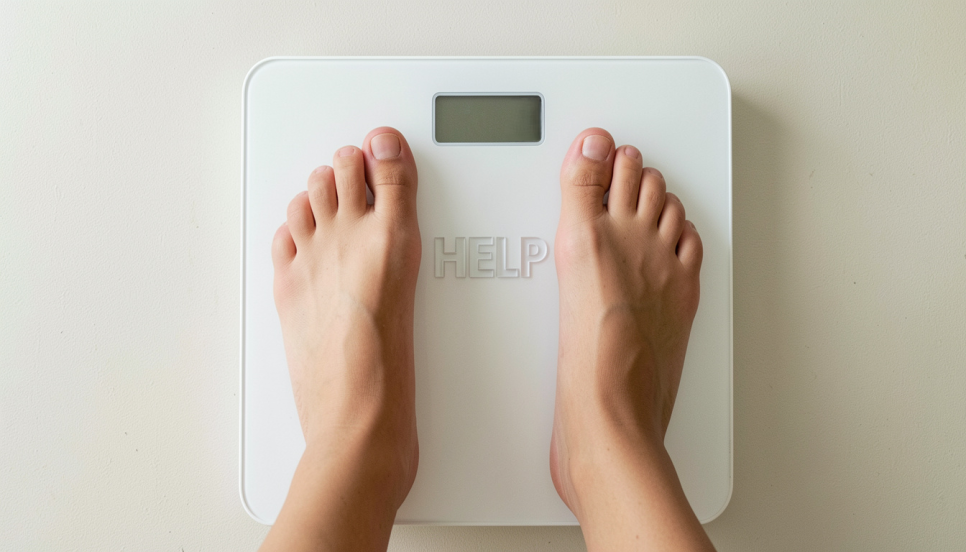
Even with the same number, the situation can be different when you look closely. It could be a body with well-maintained muscle mass, a body with a high body fat percentage, or a temporary increase due to changes in hydration or lifestyle patterns. A single indicator like body weight cannot distinguish these differences.
In particular, those who accumulate fat in specific areas like the abdomen or thighs feel changes in body shape more significantly than changes in body weight. Therefore, the starting point of a management plan should be to confirm the current body composition and fat distribution, rather than a weight loss target. In the Consultation Room, we often see that while people state the same target weight, the areas they are actually concerned about are all different.
What Rapid Weight Loss Leaves Behind
It is common to drastically reduce food intake or suddenly increase exercise intensity to lose weight quickly. However, this approach is difficult to maintain, and depending on the individual, it may lead to fatigue or a rebound in weight.

Weight loss is not a short-term event, but rather a process of adjusting lifestyle habits together over a certain period.
Setting a pace according to your health condition and goals, and creating a plan that can be sustained without overexertion, may help maintain the results for a long time.
Factors We Check Together in Consultation
Before establishing a management direction, we examine the following items together. Since each person has different areas of concern and lifestyle rhythms, this verification process forms the backbone of the plan.
- Body composition and areas where fat is concentrated
- Daily meal composition and regularity of meal times
- Sleep and activity levels, time spent sitting
- Previous weight loss attempts and difficulties experienced then
- Whether weight loss itself is the goal, or changes in body shape in specific areas
Only after synthesizing this information can we guide you in a direction that suits you personally. If you would like to organize your body condition and goals together, you may use Inquire comfortably via chat now [blocked].
There Is No Single Fixed Approach

Rather than approaching dieting with just one method, it is more realistic to combine approaches according to your current condition. In some cases, the focus is on lifestyle habit correction, and if necessary, medical weight management methods may also be discussed. The table below summarizes how the focus can change depending on the goal.
Those who need to correct their eating habits first and those who need management for specific areas have different starting points. Therefore, rather than simply copying success stories from others, a plan tailored to one's own lifestyle patterns and goals is necessary. If you are curious about a body-shape-focused approach, reviewing An article summarizing why strategies differ by body type and Weight Management & Body Contouring Consultation Guide together may help your understanding.
How Long Does the Management Period Take?

For weight management, consistency is more important than short-term changes. The duration varies depending on the goal, and the plan may be adjusted while checking progress. If the initial direction does not match the body's response, it is natural to refine the direction midway.
Costs may vary depending on the consultation content and management plan, so specific amounts will be provided after a thorough consultation. If you are wondering which medications to use or which order to approach, An article discussing how to choose the right diet medication for your situation may be helpful.
Management Outside the Clinic Is the Other Half

Weight management is not completed solely in the Consultation Room. Regular meals, appropriate activity, and sufficient sleep can help maintain a healthy weight. Creating eating habits that can be sustained for a long time, rather than excessive restriction, often has a more positive long-term effect. The process of jointly checking and gradually refining your current lifestyle patterns is a major pillar of management itself.
Frequently Asked Questions
Some people ask if they can only consult if they are significantly overweight. That is not the case. Even at the stage where you are concerned about changes in body shape or weight gain, you can check your current condition and proceed with a consultation.
There are also cases where people wonder if only short-term weight loss is possible. The direction varies depending on the goal and health condition, and we prioritize sustainable plans over excessive weight loss. Even if it is difficult to exercise, we can check your lifestyle habits and current condition and then establish a suitable direction together. If you ask if all management plans are the same, the answer is no. Since body shape, habits, and goals differ, plans also vary from person to person. If you are curious about a perspective that prioritizes changes in body line rather than weight, also refer to A story centered on body line changes.
If you have any questions, feel free to ask through Inquire via chat consultation [blocked].
In Closing
If you are considering dieting in Pyeongtaek, we recommend first examining your current body condition and lifestyle habits, rather than just focusing on the outcome of weight loss. Even with the same number, body shape, fat distribution, and lifestyle rhythm are all different. If you thoroughly check your condition through sufficient consultation and establish a plan that suits you, it can help lead to healthy and consistent weight management.

This article was reviewed and refined by Lead Director Park Min-soo (7th President of the Korean Laser Dermatology and Hair Society, Adjunct Professor at Hanyang University College of Medicine) and Lead Director Lee Yu-seok (Vice President of the Korean Laser Dermatology and Hair Society, Adjunct Professor at Hanyang University College of Medicine, 20 years of clinical experience). Last reviewed 2026-07-27.