
Pyeongtaek acne extraction and cause identification
Extraction is not the end — we start with why it keeps coming back.


When I consult with patients about Acne Treatment in the Consultation Room, I often meet people who have worsened their inflammation by squeezing pimples with their hands or following methods they saw online. It's not uncommon for the initial one or two lesions to increase in number over time, and for repeated inflammation to lead to marks and scars.
That's why, in Acne Treatment, I consider it just as important to identify the skin condition and the cause of occurrence as it is to remove visible lesions.
Why does acne recur?
Acne does not arise from a single cause. Increased sebum secretion, accumulation of dead skin cells in pores, the bacterial environment within the skin, and hormonal changes can all have complex effects, and lifestyle habits and stress can also influence skin condition.
Even for the same acne, the patterns vary, such as oily skin, skin with recurrent inflammation, skin with many small bumps, or skin with both marks and scars. Therefore, the treatment plan may also vary accordingly.
When is extraction considered?
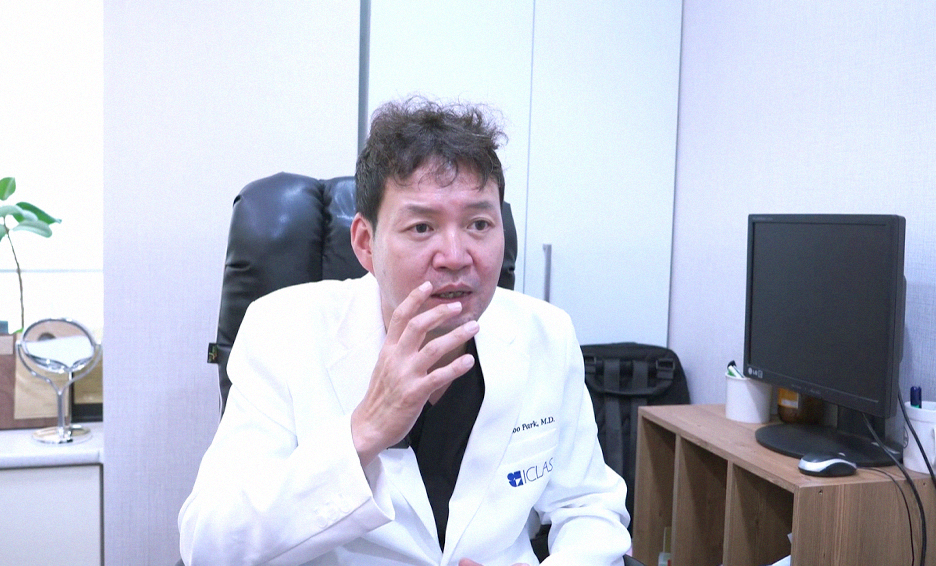
Acne extraction is one of the treatment methods considered to help discharge comedones or sebum, if necessary, after checking the skin condition. Unlike forcefully squeezing with hands, we examine the degree of inflammation and the form of the lesion, then distinguish between cases where extraction is appropriate and those where it is not, to decide whether to proceed. I would like to state first that not all acne is subject to extraction.
Even if it looks like the same acne, every skin condition is different, so in the Consultation Room, we check the following together:
- Type of acne: Comedonal or inflammatory
- Sebum secretion: Skin oiliness
- Pore condition: Degree of clogging
- Marks and scars: Presence or absence
- Lifestyle habits: Sleep, diet, usual skin care
By synthesizing this information, we establish a treatment plan suitable for your current skin.
Why extraction alone is not enough
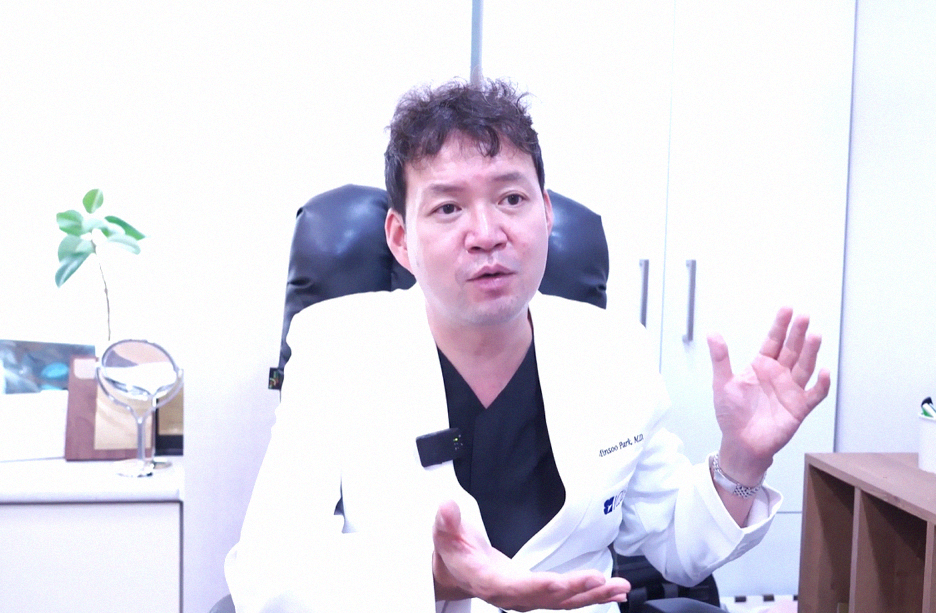
"If I get extractions, will I no longer get acne?" This is a frequently asked question during consultations. Extraction is one of the processes for managing existing lesions, and it does not resolve all the causes of new acne.
If you have oily skin, sebum control may be needed concurrently, and if inflammation recurs, combining it with treatment appropriate for your skin condition may be helpful. If acne marks or scars are also present, an additional management plan considering these may be reviewed.
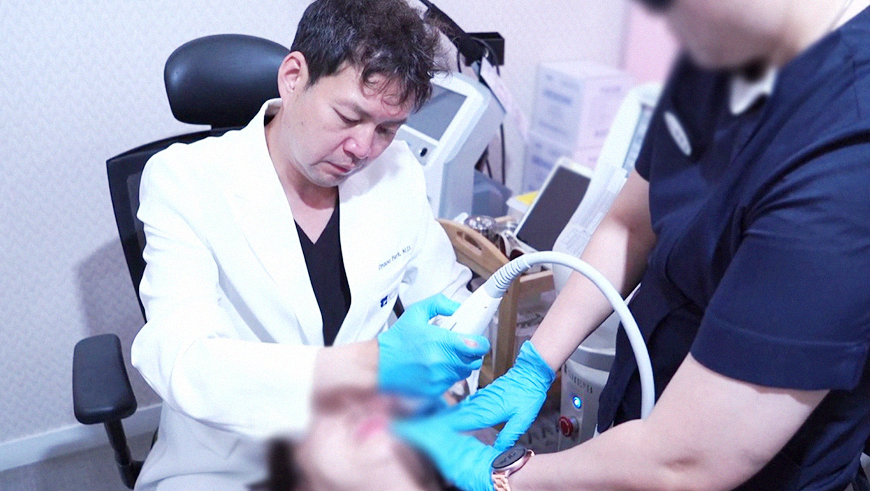
For acne, a plan tailored to skin changes is more important than a single treatment. If extraction is necessary, it is performed after checking the current lesion condition, and then the management direction can be adjusted by observing the skin's reaction and the occurrence of new lesions. Depending on individual needs, an acne management program or laser treatment may also be considered, and the treatment interval may vary depending on the skin condition.
Post-extraction care
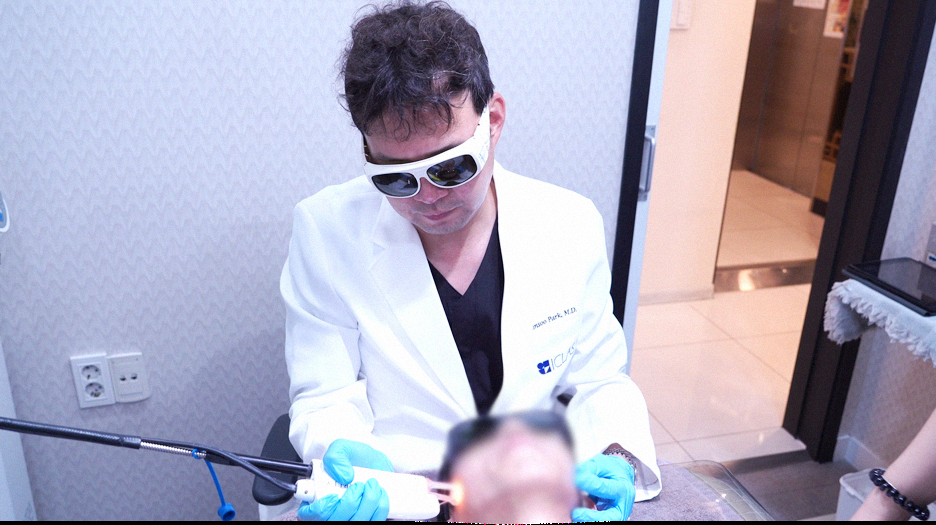
After extraction, the skin may be temporarily sensitive, so it is important to minimize irritation. It is advisable to avoid touching lesions with your hands or arbitrarily squeezing them, and sufficient moisturizing and Sun Protection can be helpful. For cleansing, it is recommended to wash gently rather than rubbing excessively, and to use cosmetics suitable for your current skin condition.

Whether extractions are needed every time acne appears is also a frequently asked question. The necessity varies depending on the type of acne and skin condition, so a plan is established after checking the current state. For inflammatory acne, too, the suitability of extraction is determined after checking the degree of inflammation and the lesion condition. Return to daily life after extraction may vary in skin reaction depending on the individual, and care to reduce irritation after the procedure can be helpful. If recurrence is frequent, it is important to identify the skin type and the cause of occurrence together to establish a treatment plan.
If you are considering Acne Treatment, the process of identifying the cause of recurrence is a priority, rather than just removing visible lesions. Since various factors such as skin type, sebum secretion, and lifestyle habits can have an impact, thoroughly analyzing an individual's skin condition and establishing a suitable management plan can help maintain healthy skin. If you are struggling with recurrent acne, you are welcome to leave your questions about your current skin condition via Chat Consultation Shortcut [blocked].

This article was reviewed by Park Min-soo, Lead Directors (7th President of the Korean Academy of Laser Dermatology and Hair, Adjunct Professor at Hanyang University College of Medicine) and Lee Yu-seok, Lead Directors (Vice President of the Korean Academy of Laser Dermatology and Hair, 20 years of clinical experience). Last reviewed on 2026-08-11.