
What to check before treatment names in a lifting consultation (Pyeongtaek Dermatology Clinic).
Thread lifts, ultrasound and radiofrequency work differently. See what a clinician checks first when you ask about sagging cheeks or changes in facial contours.
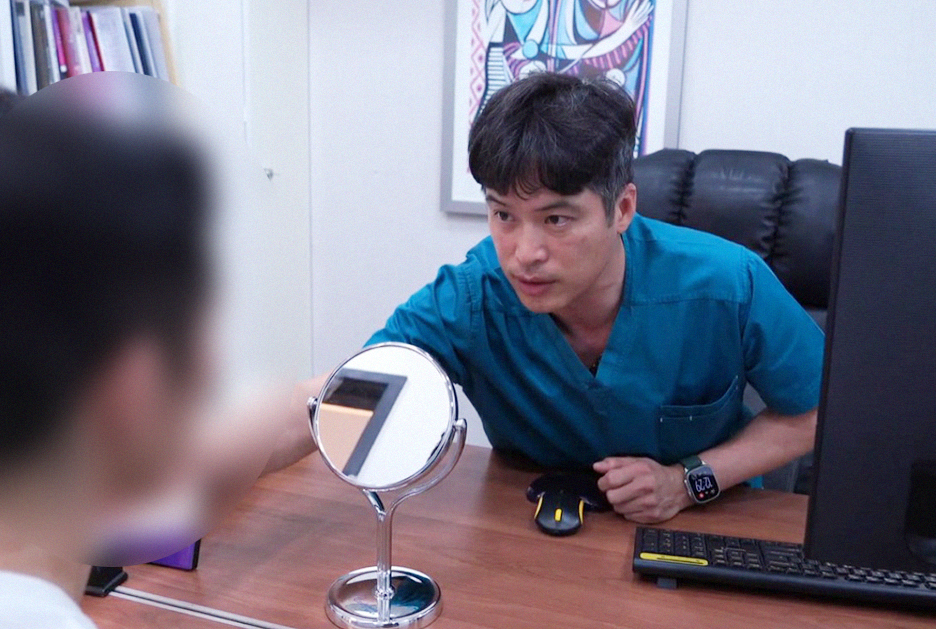
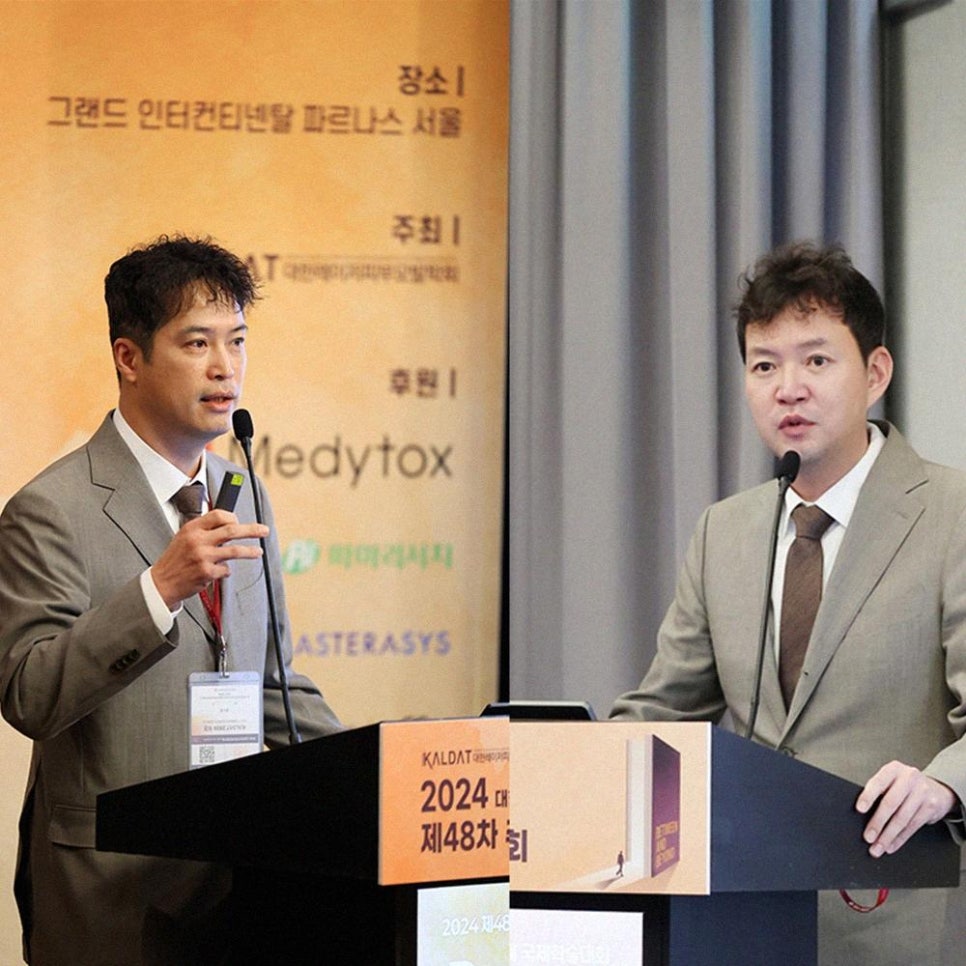
Many people visit our Consultation Room after looking in the mirror and thinking, "I haven't gained weight, but my face looks bigger," or "My cheeks are sagging, and my impression isn't what it used to be." As a dermatologist in Pyeongtaek, I frequently encounter such concerns, and when we start a consultation, most patients immediately bring up the names of Lifting procedures. However, it's more appropriate to first determine what is causing the sagging in your skin, rather than focusing on which device is famous. This article compiles and organizes frequently asked questions that arise repeatedly during actual consultations.
Are all reasons for a sagging face the same?
No, they are not. Even if the sagging appears similar on the surface, the underlying causes differ from person to person. Sometimes it's due to reduced skin elasticity, other times changes in the supporting tissues of the skin play a role, and sometimes it's a combination of fat migration or specific facial characteristics.
Here's a summary of the patterns we frequently observe in the Consultation Room:
- When the jawline becomes blurred, making the lower boundary of the face appear indistinct.
- When prominent cheek sagging gives an impression of looking older.
- When the nasolabial folds appear deeper.
- When a double chin becomes more noticeable.
- When overall skin elasticity has decreased.
Since the approach differs depending on the cause, we do not determine a procedure based solely on one sagging area.
"I heard Mint Thread Lift is the best, is that true?"
During consultations, we very often receive questions like, "What's the difference between Virtue RF and LinearFirm?" or "Isn't Mint Thread Lift just better?" To be honest, it's difficult to definitively say that a specific procedure is unconditionally more suitable.
The direction becomes clear when we consider your current skin thickness, the degree of sagging, and the cause of reduced elasticity together. Therefore, some individuals may find a solution with a single treatment, while others may consider several methods in stages, depending on their skin condition.
The criterion for selection is not which procedure is famous, but what approach your skin needs right now.
How are the three Lifting treatments different?
Each treatment has a different nature, and the situations considered in consultations also vary. The table below summarizes the characteristics of each of the three treatments; it is not intended to rank them.
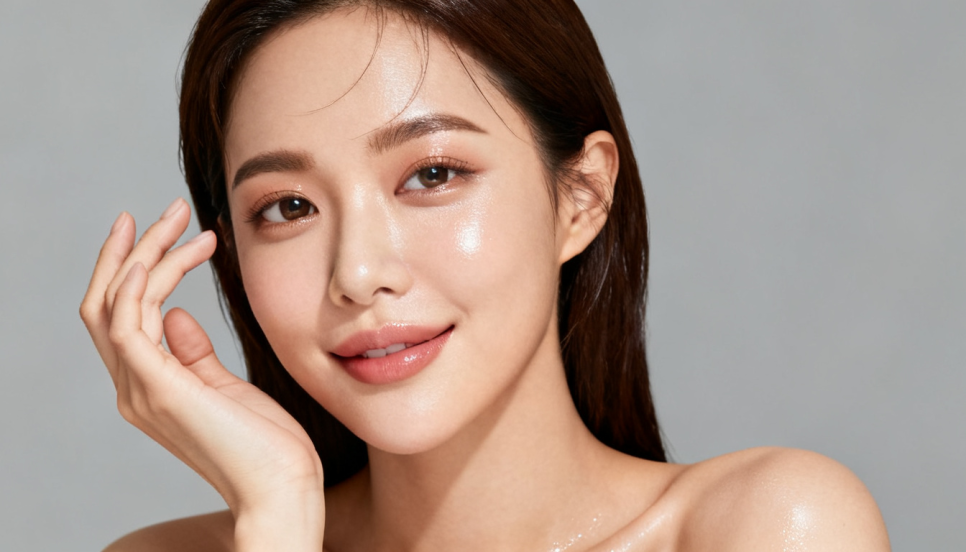
If you are curious about the characteristics of each device, you may refer to the Virtue RF Procedure Guide and the Lifting Laser Guide. Ultimately, which treatment is right for you depends on your skin condition and desired management direction.
Do I really need to receive multiple treatments together?
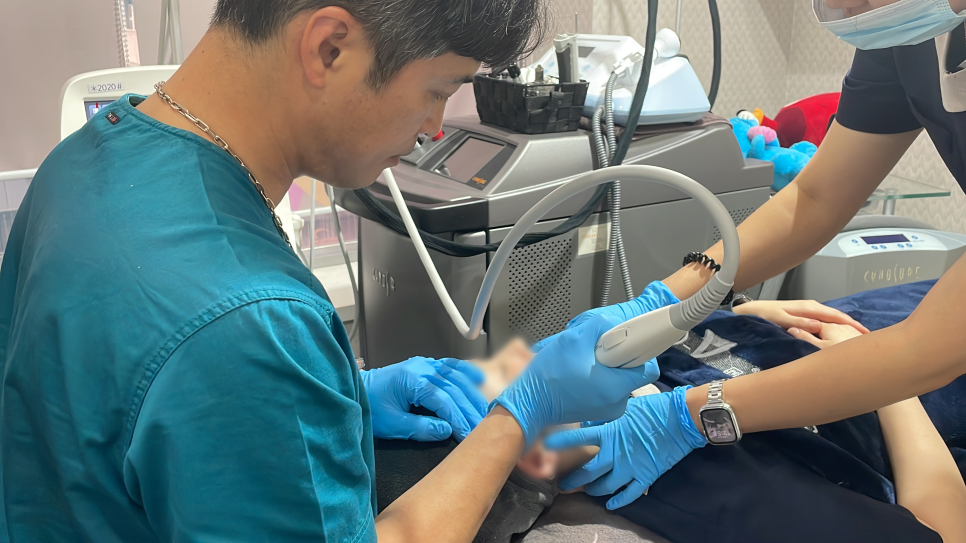
It is rare for skin aging to manifest from only one cause. Reduced elasticity, sagging, and changes in skin texture can occur together, so there are cases where a single treatment does not resolve all concerns.
In such cases, we assess the skin condition and then plan the timing and sequence of treatments, or combine several methods as needed. What's important is not the number of procedures, but creating a plan that suits your current skin. If you have any questions, please feel free to ask through Chat Consultation Now [blocked].
What about procedure time and cost?
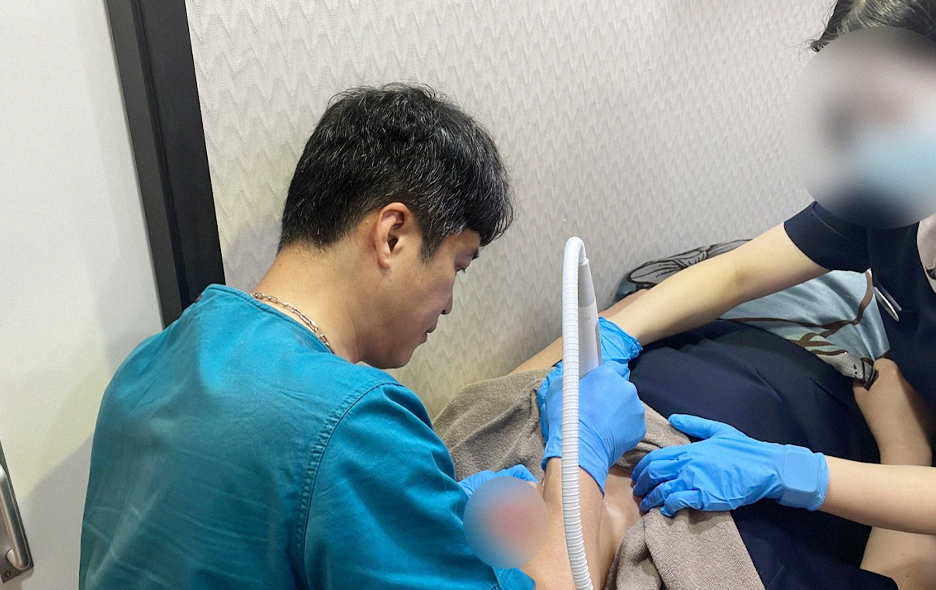
Lifting plans vary depending on the individual's skin condition and goals. The procedure time can take approximately 20-60 minutes, depending on the type and scope of treatment, and afterward, we will consult on whether additional management is needed while observing your skin's reaction.
The required number of sessions and maintenance care may vary depending on your skin condition and treatment goals. Costs also differ depending on the methods and scope applied, so it is more accurate to provide specific amounts after a consultation.
What should I be careful about after the procedure?
After the procedure, your skin may be temporarily sensitive, so it's important to manage it to reduce irritation. We recommend paying attention to the following to aid recovery:
- Maintain sufficient hydration.
- Consistently use Sun Protection.
- Avoid strong massages or excessive irritation for a certain period.
Additionally, regularly checking your skin condition and continuing with your management plan can be helpful. Reactions can vary from person to person, so if an unusual sensation persists, it's advisable to have it checked again.
A few frequently asked questions, briefly
To the question of which of the three treatments is best, we respond that it's more important to choose a treatment that suits your current skin condition and the cause of your concerns, rather than determining superiority. To the question of whether you can receive just one treatment, we say that it's possible in some cases, but depending on the condition, other treatments may be considered together.
To the question of when you can start a Lifting consultation, we recommend checking your current condition if you feel a decrease in elasticity or changes in your facial contour. This topic is also covered in more detail in the article Lifting Plans When You Feel Reduced Elasticity. To the question of whether all treatment intervals are the same, no, they are not. The plan varies depending on the type of treatment and your skin condition.
In summary

If you are considering Lifting in Pyeongtaek, we recommend first determining what approach your skin needs right now, rather than focusing on which procedure is famous. Skin elasticity, facial contour, and the degree of sagging differ from person to person. By carefully assessing your condition through a thorough consultation and creating a personalized plan, it can help manage a more natural and balanced facial contour. If you are unsure, you are welcome to inquire via chat consultation [blocked].
This article was read and its content confirmed by Lead Director Park Min-soo (7th President of the Korean Society for Laser Dermatology and Hair, Adjunct Professor at Hanyang University College of Medicine) and Lead Director Lee Yu-seok (Vice President of the Korean Society for Laser Dermatology and Hair, 20 years of clinical experience). Last reviewed on 2026-07-27.