
Pyeongtaek: the difference between melasma and blemishes, causes of pigmentation, and management
Pigment that returns after lasers — melasma and spots, told apart.
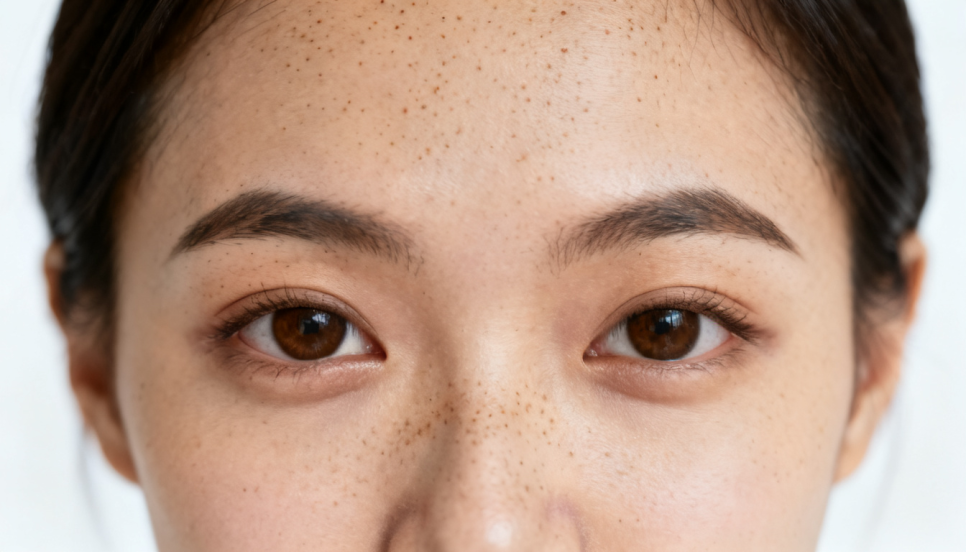

Melasma and blemishes are pigmentary disorders that often give the impression that "once they appear, they don't easily go away." In our Pyeongtaek Consultation Room, we frequently meet patients who return because the pigmentation has reappeared some time after laser treatment. We prioritize a thorough examination of the skin condition and treatment tailored to the individual's skin characteristics. This article explains the differences between melasma and blemishes, and why it's important to consider not just the visible spots, but also their causes and lifestyle habits.
"I received laser treatment, so why did it reappear?"
These are the three most common questions we hear in the Consultation Room:
- "I received laser treatment, but it seems to have reappeared over time."
- "I use Sun Protection, so why does pigmentation keep forming?"
- "I can't quite distinguish between melasma and blemishes."
Pigmentary disorders often aren't resolved by simply removing the visible spots. To establish a management plan, it's necessary to identify the cause of the pigmentation and the current skin condition. Therefore, we view pigmentation as a result and aim to first examine the underlying causes.
Why does pigmentation form?
The skin produces melanin pigment to protect itself from UV radiation and external stimuli. The problem arises when this process occurs excessively and repeatedly. This can lead to visible pigment changes like melasma or blemishes.
Factors that can influence pigment formation can be broadly categorized as follows:
- UV exposure
- Hormonal changes
- Skin aging
- Post-inflammatory hyperpigmentation
- Repeated skin irritation
- Irregular lifestyle habits
Even if the pigmentation appears similar on the surface, different causes may require different treatment approaches. This is why pigment treatment begins with a diagnosis.
How do you distinguish between melasma and blemishes?
These two types of pigmentation show slight differences in their location and borders. The table below summarizes their general tendencies. Please note that these are general patterns, and actual diagnosis requires a consultation.
However, it's common in clinical practice for melasma and blemishes to appear together. Therefore, rather than making a judgment based solely on appearance, it's better to confirm the type and depth of pigmentation through a skin diagnosis. Approaches like Miin Laser Toning, which meticulously examines pigment reactions, or equipment targeting pigmentation like the ND-YAG Laser, are ultimately chosen based on this diagnosis.
Daily care is as important as treatment
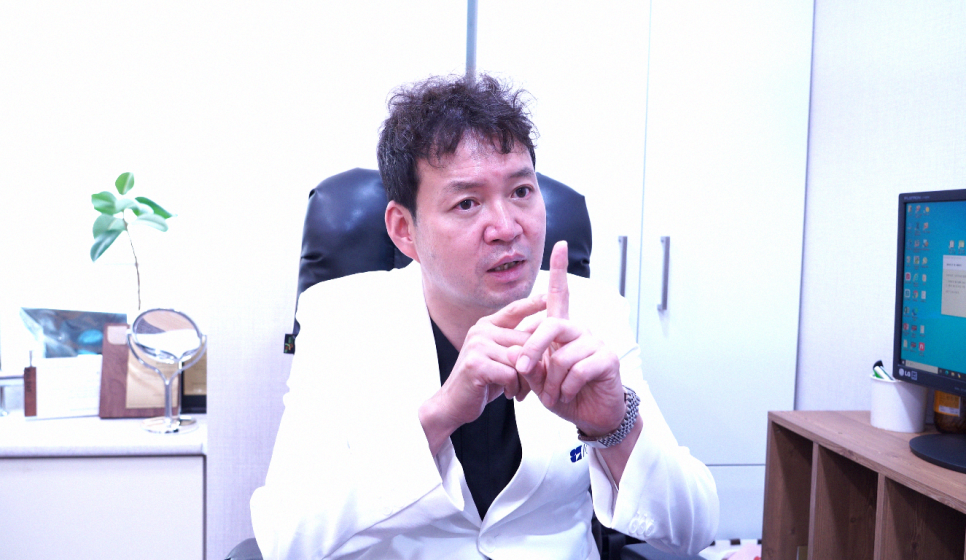
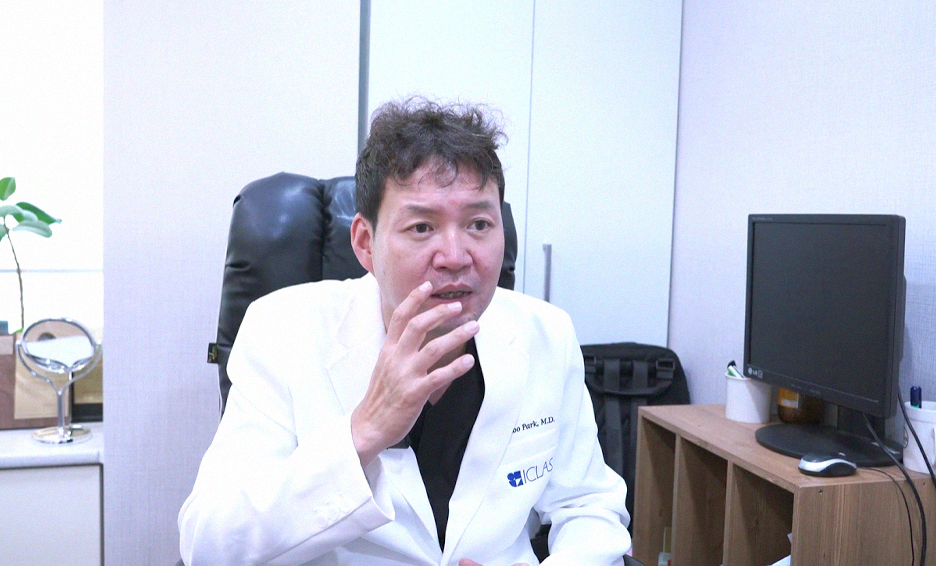
For pigmentation, daily care is as important as treatment. Not applying enough Sun Protection when going out, or repeatedly rubbing the skin vigorously, can affect pigment changes.
Lifestyle habits alone cannot prevent all pigmentation. However, sufficient sleep, a balanced diet, and appropriate moisturizing can be factors that help maintain the skin environment after treatment.
We recommend viewing care and treatment not as separate entities, but as a continuous process. If you're curious about the bigger picture of pigment management, you can explore the overall structure in our Skin & Laser Consultation Guide.
If I receive the same laser treatment, will I also improve?
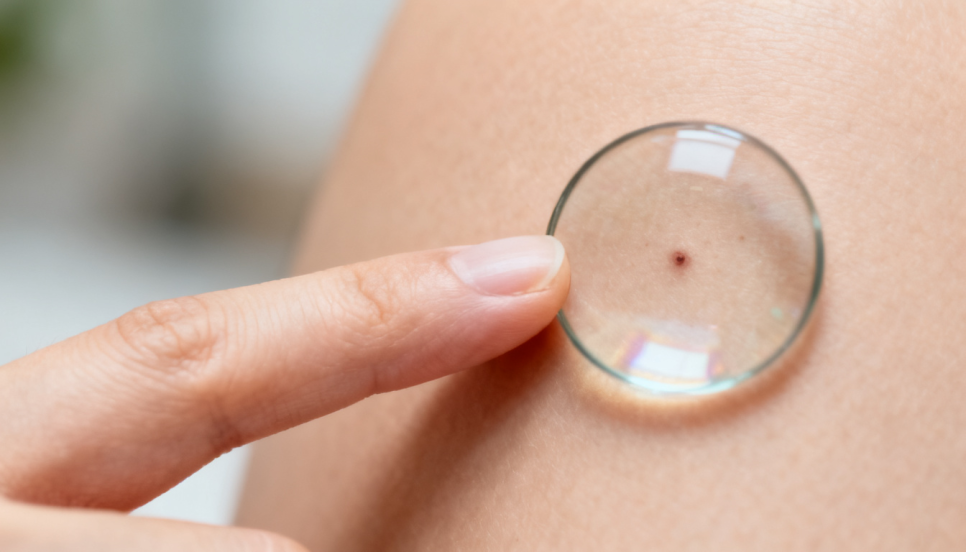
In the Consultation Room, we very often receive the question, "If I receive the same laser treatment as my friend, will I also improve?"
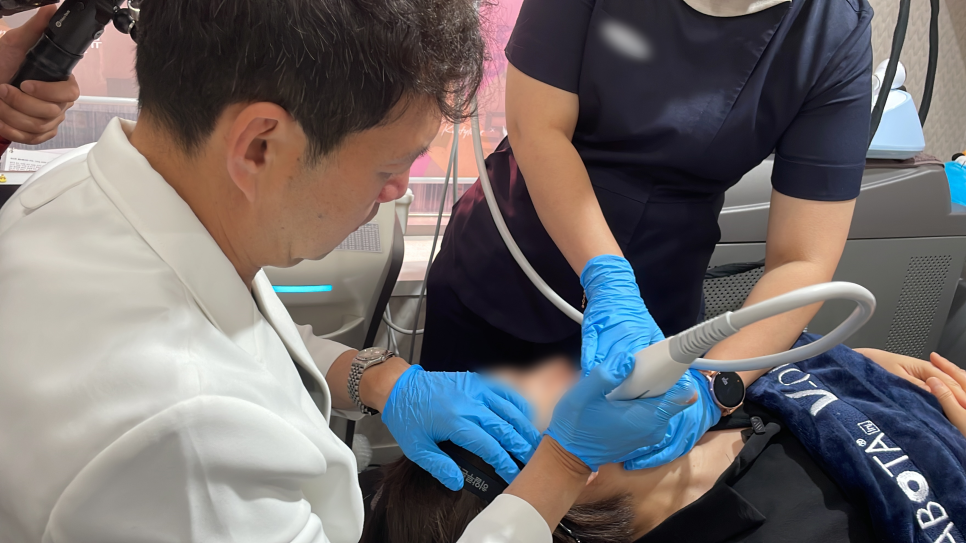
Based on clinical experience, the answer is "possibly, or possibly not." Skin type, pigment depth, and sensitivity vary from person to person, so even with the same equipment, the method, intensity, or number of sessions may differ. Especially for melasma, an approach that minimizes irritation is often necessary, so it's important to plan after thorough consultation.
Consult about my skin via chat [blocked]
How is a treatment plan established?
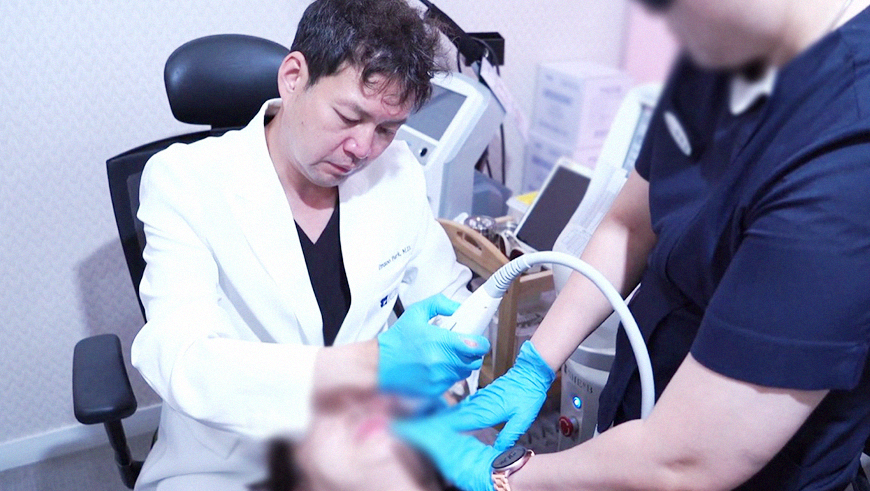
Pigment treatment plans vary depending on the individual's skin condition. Laser treatment time generally takes about 10 to 30 minutes depending on the area, but it can be shorter or longer. The number of sessions and intervals are also determined by observing the type of pigmentation and skin reaction, and the plan may be adjusted as progress is monitored.
Costs may vary depending on the treatment area and equipment used, so it's best to confirm the exact details after a consultation.

Frequently Asked Questions
Can I distinguish between melasma and blemishes myself? They can appear similar on the surface, so it's best to confirm an accurate distinction through a consultation.
Is pigment treatment a one-time process? The number of treatments and the plan may vary depending on the type and depth of pigmentation and the skin condition.
Is ongoing care necessary after treatment? Consistent care such as Sun Protection and moisturizing can be helpful for pigment management.
Is consultation possible for sensitive skin? Yes, it is. After thoroughly assessing the skin condition, we guide you toward a suitable approach for your individual needs. If you're curious about aspects often overlooked in melasma management, we recommend reading the article Points Easily Missed in Pyeongtaek Melasma Management.
In summary
When the reasons for pigmentation are understood, the direction of management becomes clear. Melasma and blemishes may appear similar, but their underlying causes and skin conditions can differ, and thus the necessary plans will also vary from person to person. Through thorough consultation and skin analysis to assess the current condition, and by establishing a management plan tailored to your skin characteristics, you can achieve more systematic pigment management.
If you have any questions, please feel free to ask via Consult via chat now [blocked].


This article was jointly reviewed from a pigment treatment perspective by Lead Directors Park Min-soo (7th President of the Korean Society for Laser, Dermatology, and Hair, Adjunct Professor at Hanyang University College of Medicine) and Lee Yu-seok (Vice President of the Korean Society for Laser, Dermatology, and Hair, 20 years of clinical experience). The last review date was 2026-07-27.