
Pyeongtaek hair loss in the clinic: same concern, different causes
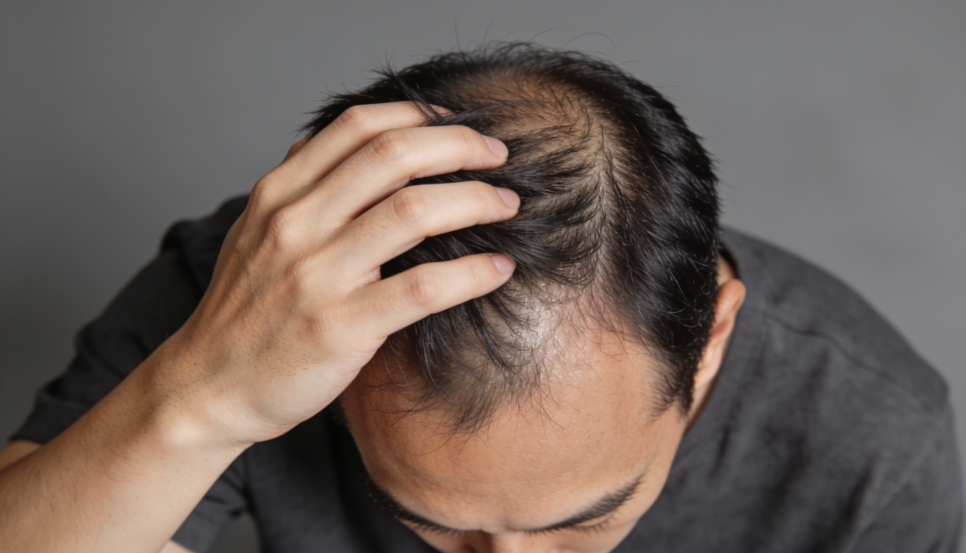
The same thinning crown, three different causes.
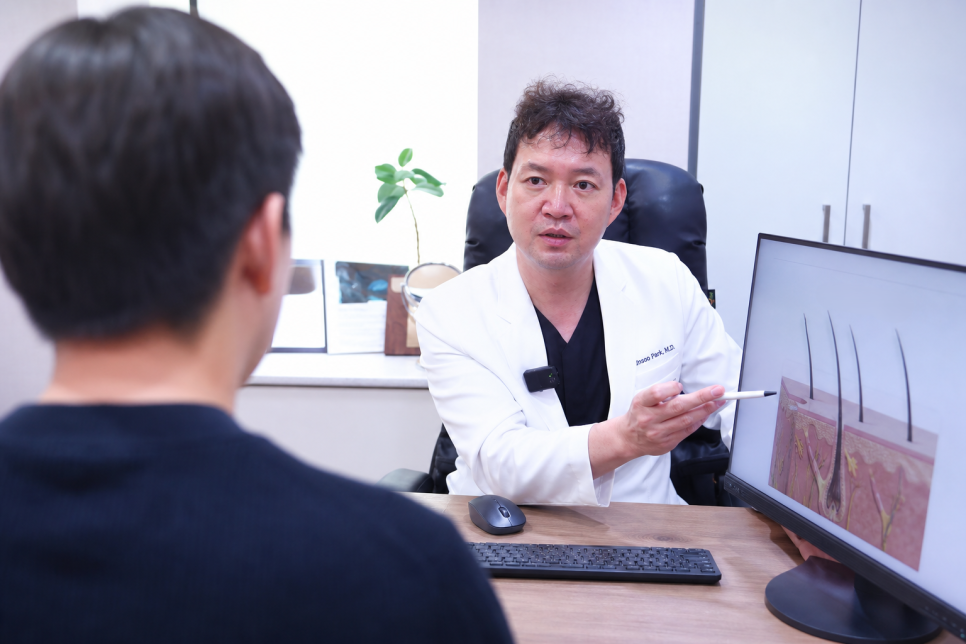
If you've noticed a significant increase in the amount of hair in your hands when you wash or dry it, it's natural to be concerned. Many people initially dismiss it as seasonal, but if it doesn't subside after a few weeks, they often come to the Consultation Room.
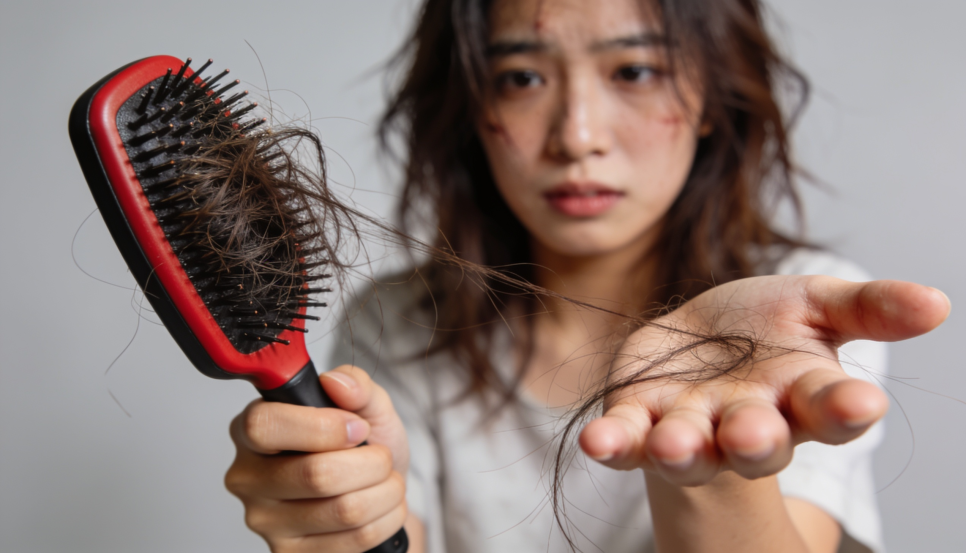
While everyone who visits the Consultation Room uses the same word, "hair loss," their actual stories are all different. In this article, we've organized why it's important to identify the type of hair loss first, focusing on the stories we frequently encounter during consultations.
"My Crown Looks Thin": Three Different Consultations
We had cases where patients came in the same week with similar concerns, but upon examination, the underlying issues were different.
- A man in his 40s said that the hairline on both sides of his forehead felt like it had receded more than before.
- A woman in her 30s said that her front hairline remained the same, but her part looked wider.
- A person in their early 20s said that their hair had noticeably thinned since taking a major exam recently.
Outwardly, they all complained of "hair loss," but the causes and progression patterns were different. Therefore, the first step in a consultation is to examine together what type of hair loss you may be experiencing.
Why Is It Difficult to Group All Hair Loss Together?
Hair loss does not come in just one form. The speed of progression can vary depending on the cause, and the management plan may also differ accordingly. Here's a table summarizing the types most frequently mentioned in consultations.
While it's clear from the table, in reality, it's not uncommon for multiple factors to overlap on the scalp. Therefore, it's difficult to determine the type based solely on visual impression.
What We Actually Check in the Consultation Room
During a hair loss consultation, we don't just count the number of hairs falling out. Based on clinical experience, the following information provides greater clues for determining the direction of care.

- Hair thickness and density, scalp condition, and shedding pattern
- When the hair loss started and how quickly it's progressing
- Family history
- Recent stress, health status, or changes in lifestyle rhythm
Even for the same concern about a thinning crown, the approach differs between temporary shedding in a 20-year-old and gradual changes in a 40-year-old. That's why in the first consultation, I first ask "when it started" and "how it's falling out."
Only after comprehensively reviewing this information can we guide you on a personalized management plan.
"Is it okay to just use hair loss shampoo?"
This is a question we hear very frequently in the Consultation Room. To answer directly, there are cases where shampoo alone is sufficient, but more often, it is not.
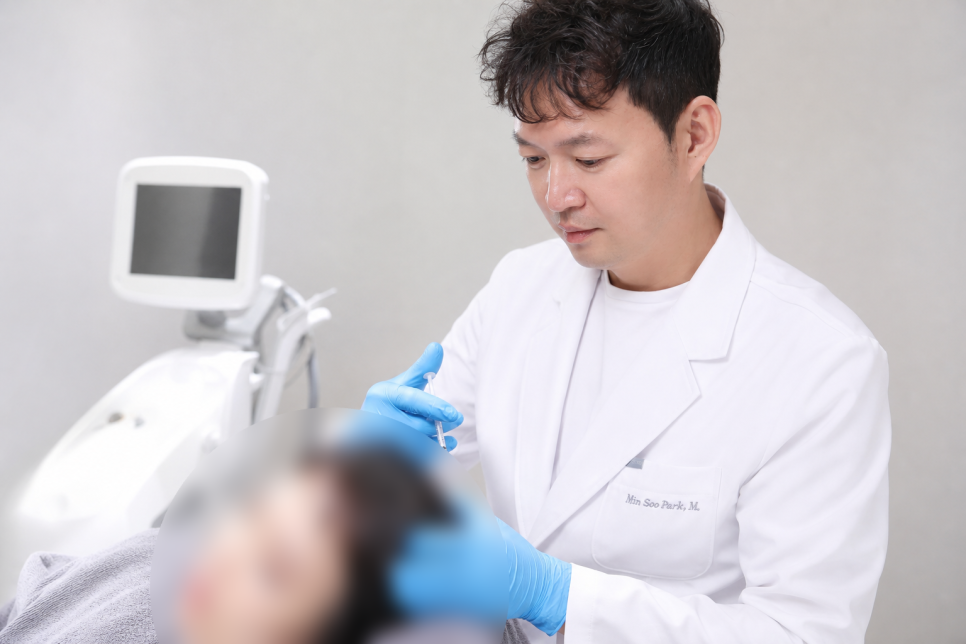
Depending on the cause, we may consider medication, or discuss various methods such as scalp care or injection treatments. Sometimes, lifestyle adjustments also need to be made. The approach varies depending on the current stage of your hair loss. You can find out more about the actual management options on our Hair Loss Treatment Guide page.
The important thing is not to self-diagnose based solely on information found online, but to have your scalp and hair condition directly checked to identify the cause.
If you have any questions, you can also use Chat for easy inquiries now [blocked].
It's Better to Check When Changes Begin
Hair loss can sometimes show a pattern where hair gradually thins over time. Especially for male and female pattern hair loss, it can be helpful to identify changes in the early stages and establish a management plan.
The frequency of visits and the duration of management vary depending on the treatment method, and usually, the direction is adjusted while observing the progress over a certain period. Costs also vary depending on the method and plan, so it is more accurate to provide specific costs after a consultation.
Scalp Health Is Also Ultimately Created by Lifestyle
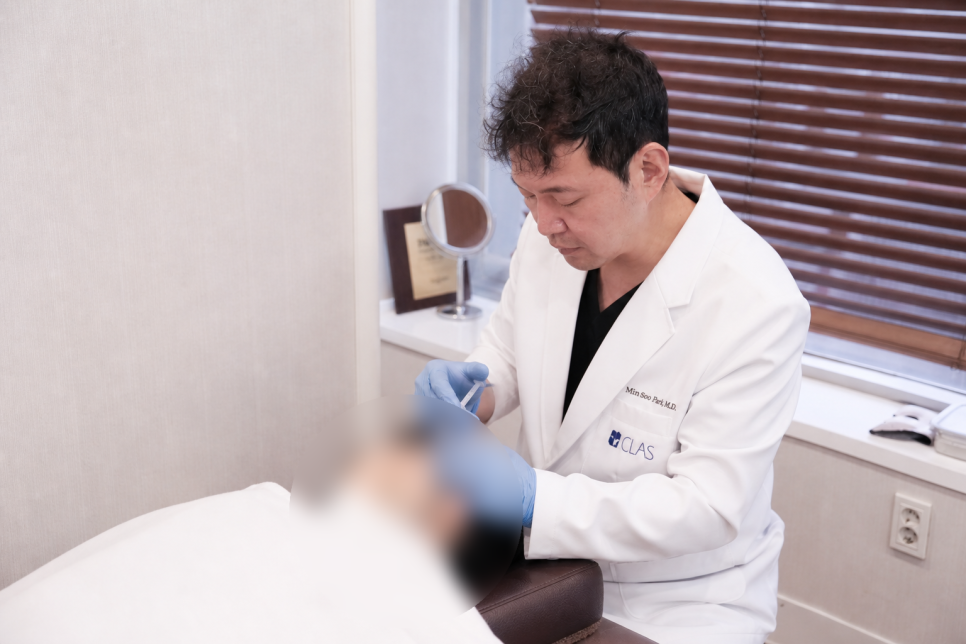
To maintain a healthy scalp environment, regular lifestyle habits cannot be ignored. Sufficient sleep, a balanced diet, and managing excessive stress can be helpful, and it's best to reduce habits that overly stimulate the scalp.
If you're curious about the impact of lifestyle habits on your skin and scalp, we recommend also referring to Recurring Skin Concerns and Lifestyle Habits. Regularly checking your scalp condition and refining your management plan when needed is also important. If you wish to examine both your scalp and facial skin, you can also check our Skin & Laser Consultation Guide.
Frequently Asked Questions
If I'm losing a lot of hair, is it always hair loss? It could be seasonal changes or temporary shedding. However, if it persists, it's best to have a consultation to identify the cause.
Can women also receive hair loss treatment? Yes, it's possible. After confirming the cause and progression pattern of female pattern hair loss, we will guide you on a personalized plan.
Do I need an examination and consultation for alopecia areata? Yes. After confirming the cause and extent of the condition, we will determine the management approach.
How long does the treatment last? The duration of management and the schedule of visits may vary depending on the type and extent of hair loss, as well as the method used.
If you still have questions, you can feel free to ask them through Chat for pre-consultation [blocked] before your visit.
In Summary

If you are concerned about hair loss in Pyeongtaek, rather than just focusing on the fact that your hair is falling out, the process of calmly identifying the cause and type comes first. Male and female pattern hair loss, crown or M-shaped hair loss, alopecia areata, and stress-related hair loss can all have different starting points and progression patterns, and thus require different management plans.
Thorough consultation and diagnosis to assess your current scalp and hair condition, and then establishing a personalized plan. This is the sequence we always emphasize in the Consultation Room.

This article was reviewed and confirmed by Lead Director Park Min-soo (7th President of the Korean Society for Laser, Dermatology and Hair, Adjunct Professor at Hanyang University College of Medicine) and Lead Director Lee Yu-seok (Vice President of the Korean Society for Laser, Dermatology and Hair, 20 years of clinical experience). Last reviewed on 2026-07-27.