
Pyeongtaek Station lifting: identifying the cause of sagging
For lifting, it is in order to first understand the cause of changes in the facial line rather than the choice of equipment.
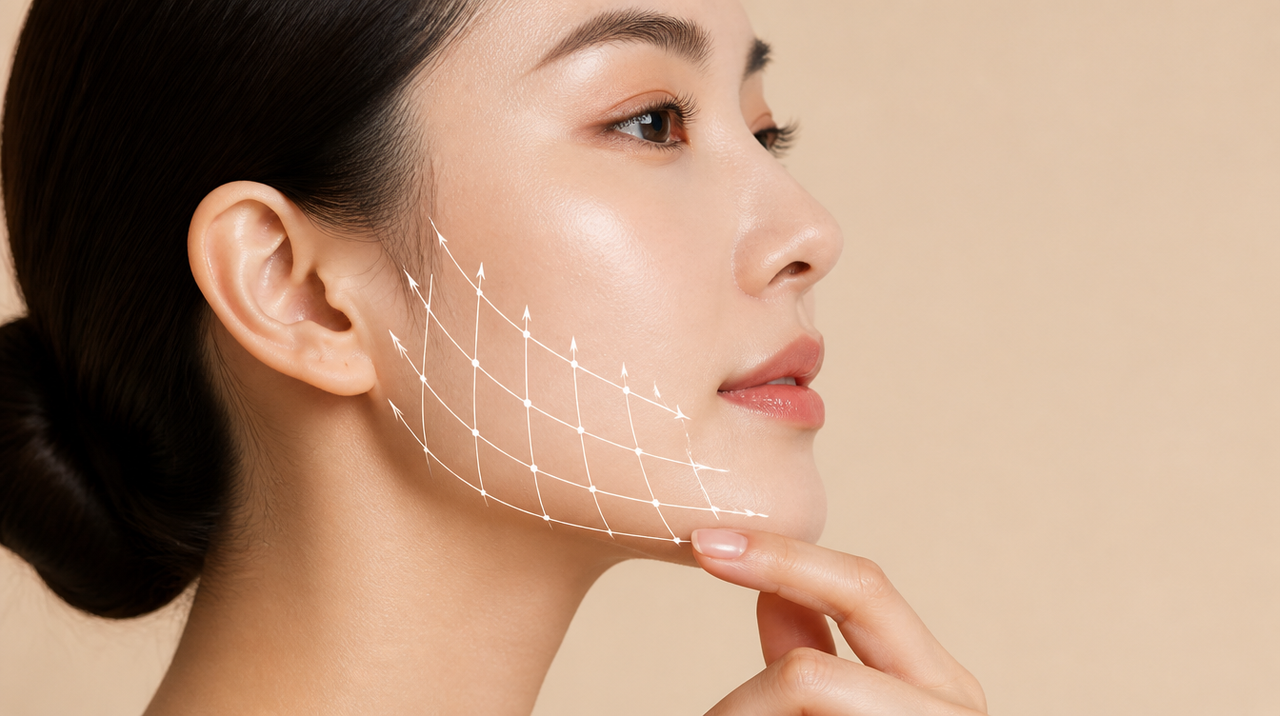
"My friend and I got the same lifting treatment, but the results were different." "My jawline seems to have blurred, but I don't know which lifting treatment is right for me." "I'm concerned about sagging cheeks, but there are so many types of equipment that it's hard to choose."
As various lifting procedures have become known, many people who consult with a dermatology clinic near Pyeongtaek Station first ask which equipment to choose. However, in an actual consultation, the process of identifying why the facial contours have changed and what the cause of the sagging is comes before discussing equipment. This is because even if it looks like the same sagging, the necessary approach can differ depending on skin condition, facial structure, and the pattern of aging.
Causes That Necessitate Lifting
A decrease in skin elasticity is not the only reason why lifting becomes necessary. Over time, collagen and elastic fibers decrease, and changes occur in the tissues that support the skin. When this is combined with changes in facial fat distribution, skin thickness, lifestyle habits, and rapid weight changes, the jawline may blur, cheeks may sag, or nasolabial folds may become more prominent. Even if the symptoms appear similar, the approach will differ if the causes are different.
If You Notice These Changes, It's Worth Checking
If your jawline is blurrier than before, if your facial contours look dull, if sagging cheeks bother you, if your nasolabial folds appear deeper, or if your facial contours look different in photos, it may be helpful to have your condition checked. These changes can vary not only with age but also with skin type and lifestyle habits.
What We Check During a Consultation
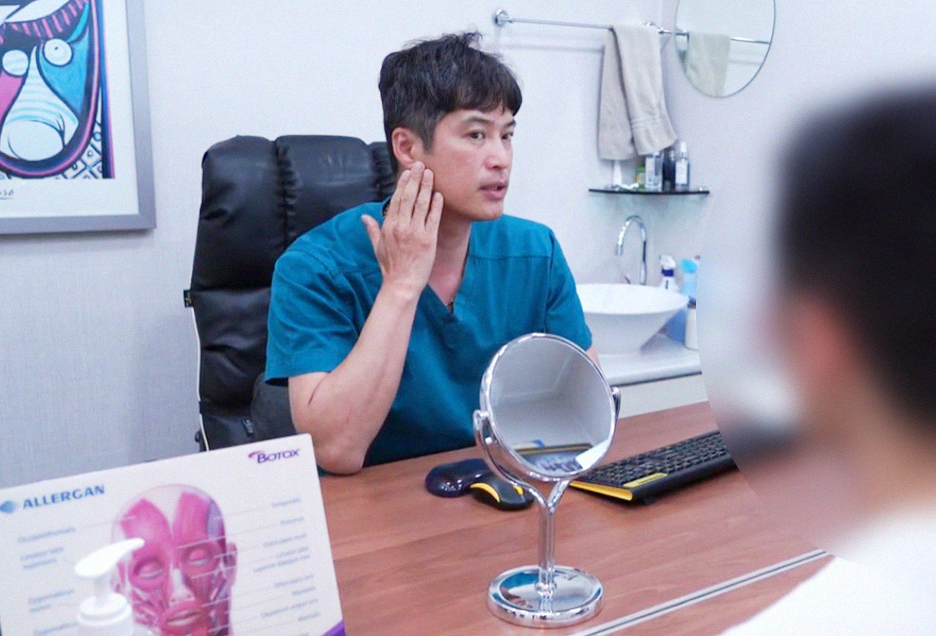
During a lifting consultation at a dermatology clinic near Pyeongtaek Station, we don't just look at the sagging area. We comprehensively consider your desired direction and current condition by checking skin thickness and elasticity, facial fat distribution, the location of sagging, facial proportions, and even facial expression habits. We then create a plan, and if necessary, we also consider a complex approach that combines various management methods.
Lifting methods are not applied identically to everyone because each person has a different facial structure and skin characteristics.
Procedure Process and Management
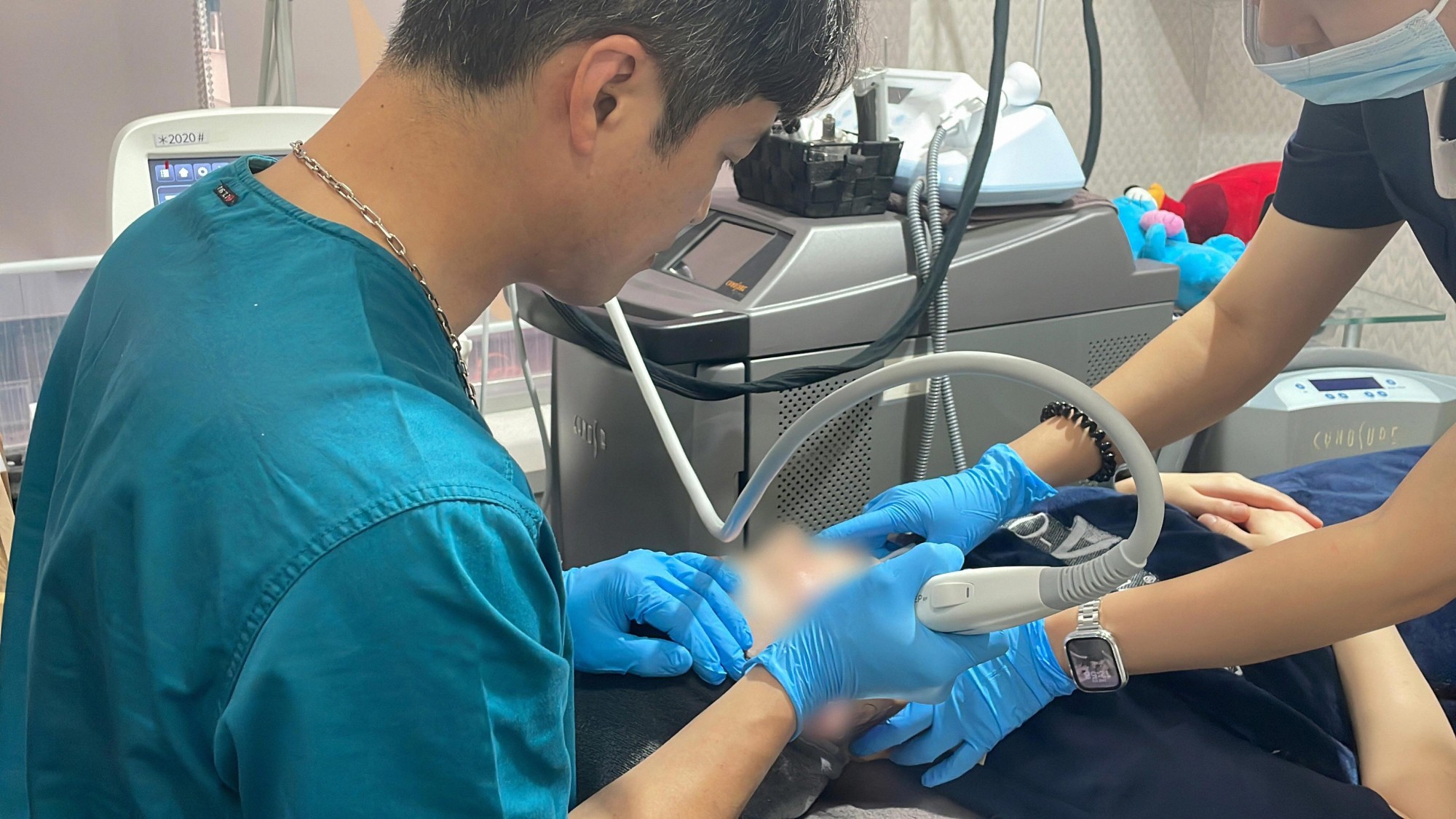
Lifting procedures at a dermatology clinic near Pyeongtaek Station usually take about 20 to 40 minutes, depending on the area of application. The number of sessions and intervals vary depending on skin condition, degree of sagging, and method, and additional management is decided based on the progress. The cost also varies depending on the scope and plan, so it is best to confirm through a consultation.

After the procedure, it is important to help the skin recover stably with sufficient moisturizing and Sun Protection. Regular sleep, a balanced diet, and preventing rapid weight changes can also help maintain elasticity. If necessary, we continue the plan by regularly checking the condition.
Frequently Asked Questions
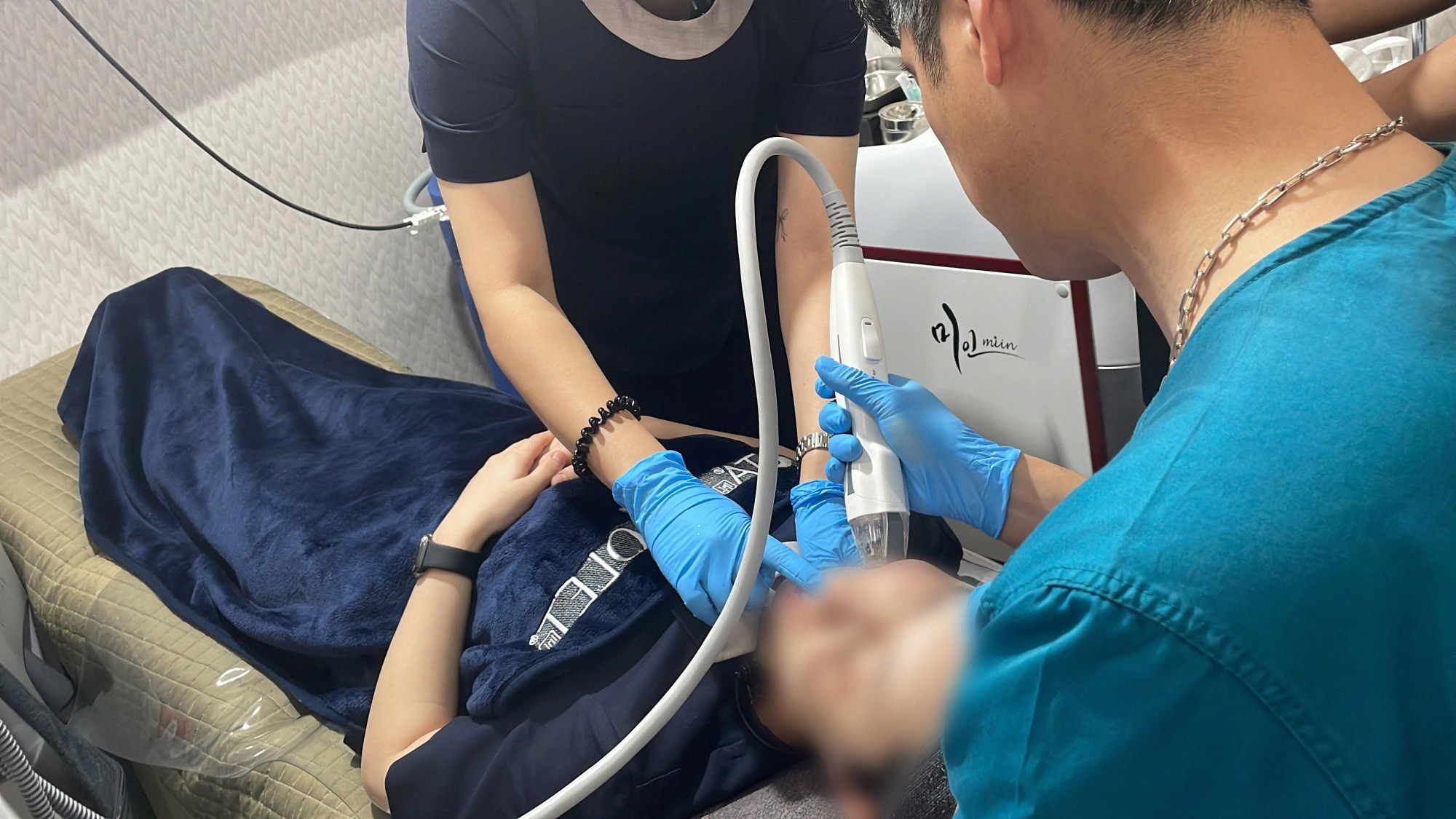
Do I have to be old to receive it? No, that's not the case. If you start to notice changes in elasticity or facial contours, it can be helpful to have a consultation. How long does the procedure take? It varies depending on the scope and plan, but it's usually 20 to 40 minutes. Is one session enough? The number of sessions and the plan vary depending on individual condition and goals, and adjustments are made based on progress. How is the method determined? We provide guidance on the direction after comprehensively evaluating elasticity, structure, and the cause of sagging.
If you are considering lifting at a dermatology clinic near Pyeongtaek Station, it is important to first identify why your facial contours have changed and how changes in your skin and tissues are appearing, rather than just looking for famous equipment. Lifting plans can vary because skin thickness, elasticity, fat distribution, and aging patterns differ from person to person. If you are currently concerned about changes in your facial contours, please feel free to inquire via Chat Consultation [blocked].


This article was reviewed by Park Min-soo, Lead Directors (7th President of the Korean Society for Laser Dermatology and Hair, Adjunct Professor at Hanyang University College of Medicine) and Lee Yu-seok, Lead Directors (Vice President of the Korean Society for Laser Dermatology and Hair, 20 years of clinical experience). Last reviewed 2026-09-06.