
Pyeongtaek Station hair removal: laser hair removal and growth cycle before summer
Why starting right before summer is late, explained by the hair cycle.
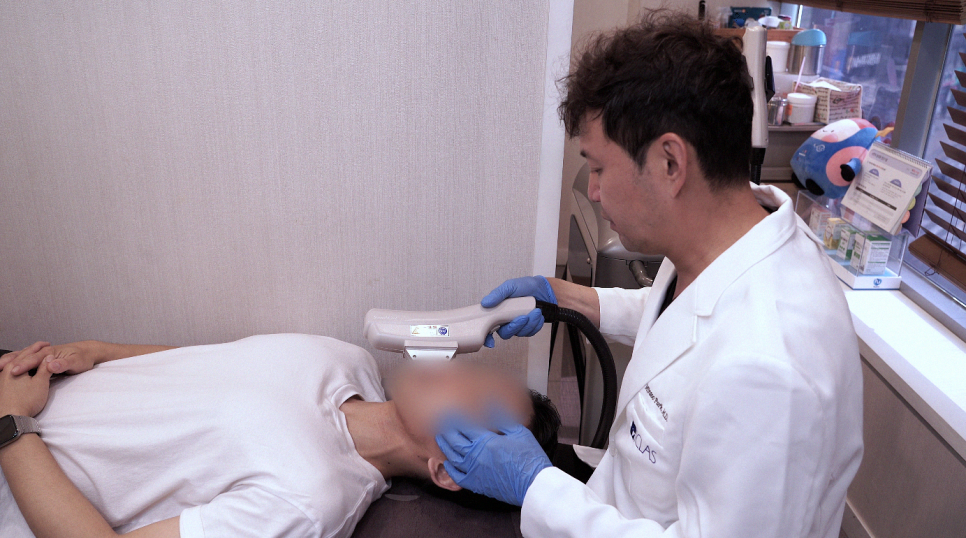
As the seasons change and more skin is exposed, we see a noticeable increase in hair removal consultations. "Even if I shave, it grows back quickly," "I received hair removal treatment, but why isn't it finished in one session?", "How many times do I need to get laser hair removal?" These are the most frequently asked questions in the Consultation Room. However, the answer to most of these questions lies not in the number of sessions, but in the hair growth cycle.
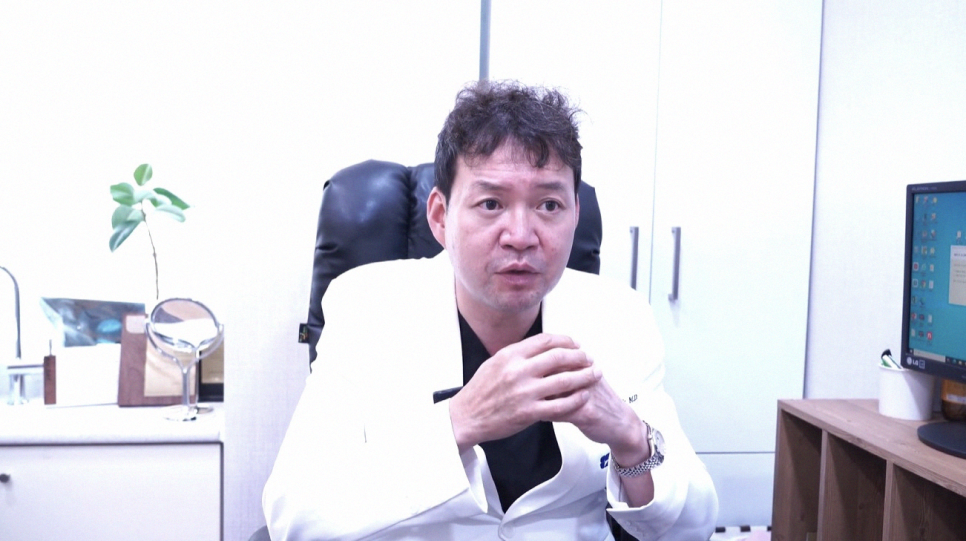
When I provide hair removal consultations at Pyeongtaek Station, what I examine before the amount of hair is the thickness and density of the hair, the skin condition, and the characteristics of the hair removal area. Since conditions vary from person to person even for the same area, the treatment plan will also differ.
Why isn't it finished in one session?
Not all hair grows at the same time. Hair grows by repeating the anagen (growth), catagen (transitional), and telogen (resting) phases. Lasers are primarily designed to respond well to hair follicles in the anagen phase.
This means that during one treatment, only a portion of the visible hair that is in the anagen phase will respond. Therefore, it is common to plan repeated treatments at regular intervals. The number of sessions required may vary from person to person depending on hormonal status, hair thickness, and the area.
Rather than setting a fixed number of sessions in advance, it is more helpful for actual management to adjust the next plan while observing the treatment response.
The approach varies by area
Since the characteristics of the hair and the skin condition differ depending on the treatment area, the approach also changes. Here's a summary of the areas frequently consulted in the Consultation Room:
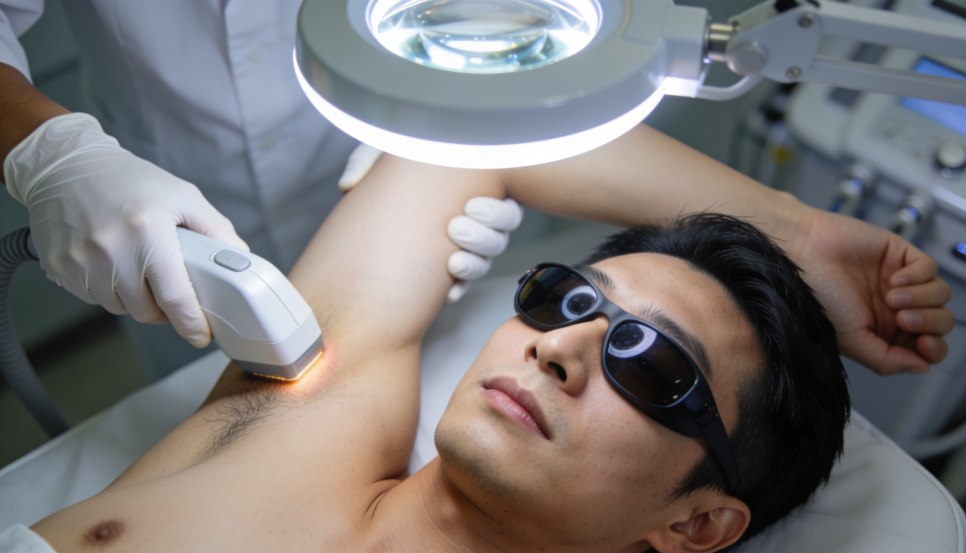
Areas with thick and dense hair, such as beards, may require a longer treatment plan than other areas, and for large areas like arms or legs, skin condition is also considered. If you're curious why the number of sessions for beard areas varies significantly, we recommend referring to this article on the difference in the number of sessions for men's beard hair removal.
If you have these concerns, check your condition first
- If skin irritation recurs after shaving
- If frequent hair removal feels bothersome
- If ingrown hairs occur frequently
- If hair is thick and dense
- If you want to manage hair removal while reducing skin irritation
- If you want to plan long-term hair removal
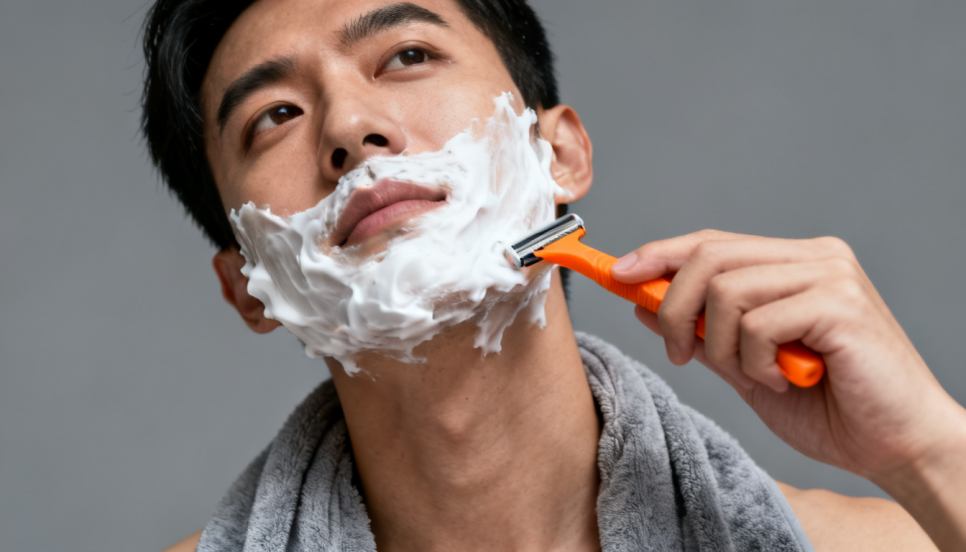
In such situations, rather than starting treatment blindly, it is better to first evaluate your skin type and hair characteristics through a consultation and then create a plan that suits you. If you review the treatment overview in Laser Hair Removal Guide beforehand, your consultation will be much smoother.
What we check during consultation
When conducting hair removal consultations in Pyeongtaek, we don't just check the amount of hair.
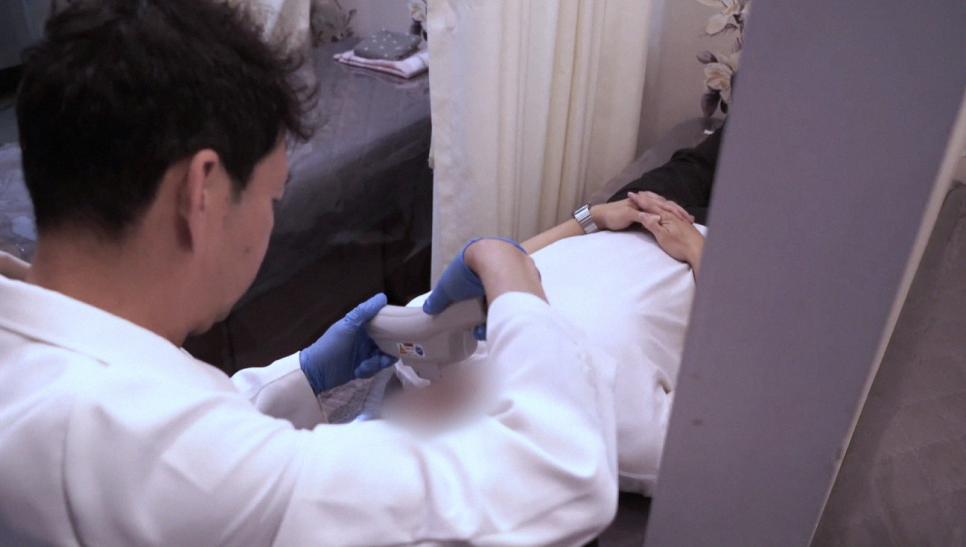
We also consider skin tone, skin sensitivity, hair thickness and density, characteristics of the hair removal area, previous hair removal experience, and presence of current skin conditions. Based on this information, we adjust the equipment used, the intensity of irradiation, and the treatment interval. Even when using laser equipment like Smoothcool, we thoroughly evaluate the individual's skin and hair condition before deciding whether to apply it.
If you have any questions, feel free to ask them through Chat Consultation Now [blocked].
How long do sessions and intervals take?
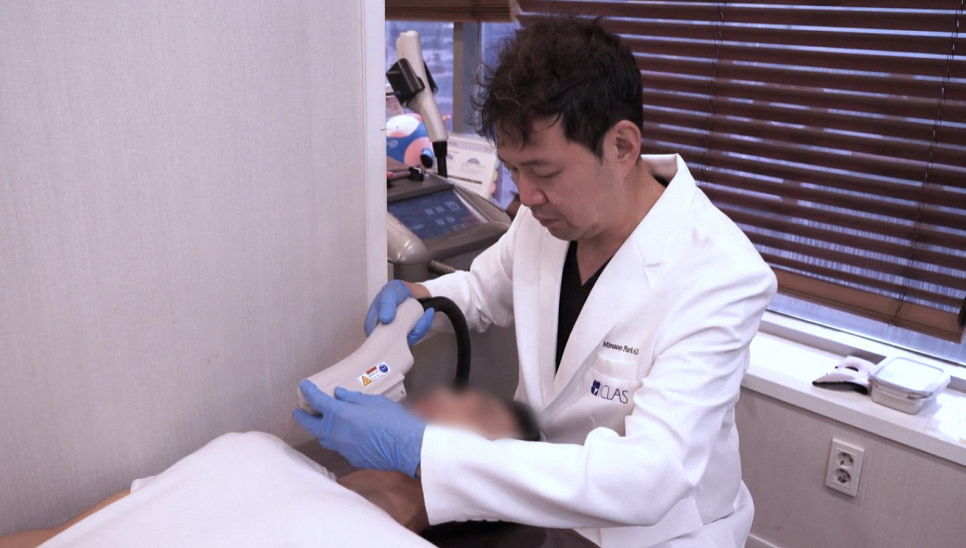
Treatment time generally takes about 10-40 minutes and varies depending on the size of the area. In most cases, the next treatment is planned after checking the progress at intervals of about 4-8 weeks, but the schedule can be adjusted depending on the face, body, and hair growth rate.
The number of sessions required also varies from person to person, and the medical staff refines the plan while observing the treatment response. Costs may vary depending on the treatment area, scope, and number of sessions, so it is accurate to receive guidance after a consultation.
How to manage after treatment
After laser hair removal, the skin may be temporarily sensitive.
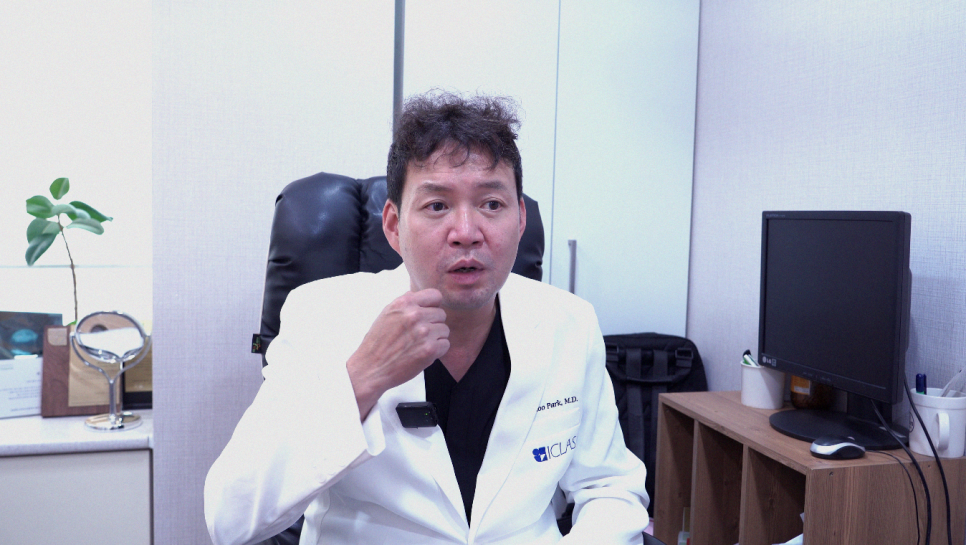
- Avoid rubbing or irritating the treated area strongly.
- Sufficient moisturizing and Sun Protection can be helpful.
- Refrain from saunas, hot baths, and strenuous exercise for a certain period.
- Follow the medical staff's guidance on shaving timing and management methods.
Regular visits to check skin reactions and progress can help maintain a more systematic plan. If you are also concerned about pigmentation or skin texture, you can explore what kind of management is possible in Skin & Laser Consultation.
Frequently Asked Questions
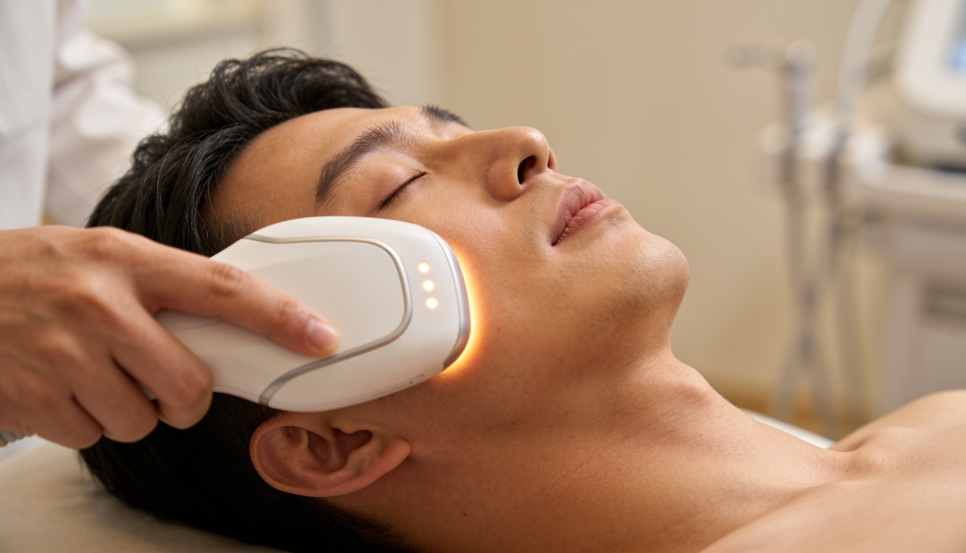
- How many sessions do I need? It can vary depending on hair thickness and density, area, and growth cycle.
- What is the interval between sessions? Usually 4-8 weeks, but adjusted according to individual condition.
- How long does it take? It varies by area, but generally about 10-40 minutes.
- Can I return to daily life immediately? Mostly possible, but it's best to follow medical staff's guidance on management methods to reduce irritation.
Ultimately, planning is key
If you are considering laser hair removal, rather than just comparing equipment names or the number of sessions, it is more important to first create a plan that suits your skin condition and hair growth cycle. Since each person has different skin types, hair thickness, density, and growth rates, the necessary intervals and number of sessions can also vary.
By thoroughly evaluating your current condition through a sufficient consultation and creating a plan that suits you, it can help with consistent management regardless of the changing seasons. If you have any points you'd like to clarify before starting, please ask through Chat Consultation [blocked].

This article was reviewed and refined by Lead Directors Park Min-soo (7th President of the Korean Laser Dermatology and Hair Society, Adjunct Professor at Hanyang University College of Medicine) and Lee Yu-seok (Vice President of the Korean Laser Dermatology and Hair Society, 20 years of clinical experience). Last reviewed 2026-07-27.