
Pyeongtaek acne: causes of recurrence and inflammation stages
Acne that looks alike still needs different care at different stages.
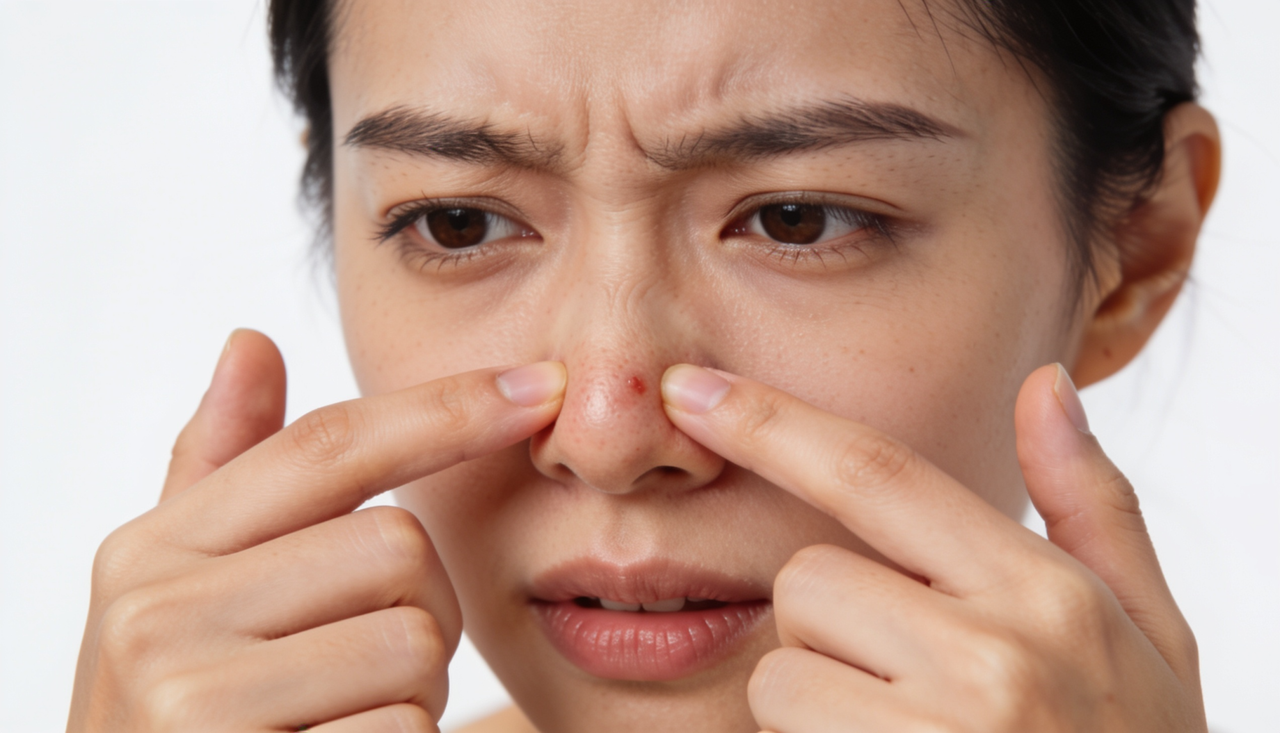
"Acne keeps appearing in the same spot." "Even after extraction, it comes back over time." "I'm concerned because I still get acne even as an adult."
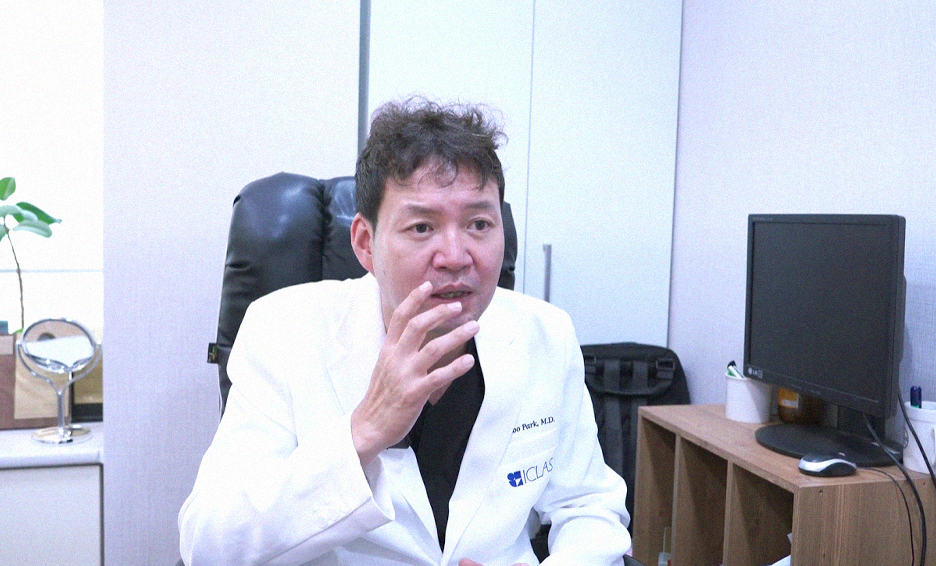
These are common concerns we hear in the Consultation Room. It's easy to think that acne is a skin problem that only appears during adolescence, but it's not uncommon for it to recur repeatedly even after becoming an adult. Various factors such as skin type, lifestyle habits, hormonal changes, and stress can combine to cause symptoms to persist.
Therefore, if you have recurring acne, it's important not just to eliminate the visible blemishes, but also to identify the underlying reasons why it keeps recurring.
There isn't just one reason for acne
Acne is not a condition caused by a single factor. Increased sebum secretion, abnormal keratinization of pores, bacterial proliferation in the skin, and inflammatory reactions can all play a complex role, and the cause may vary depending on an individual's skin condition. Hormonal changes, stress and lack of sleep, skin irritation, using unsuitable cosmetics, irregular lifestyle habits, and genetic skin characteristics can also have an impact.
Even if acne looks similar, the causes of its occurrence can differ, so the treatment methods may also vary from person to person.
Different stages require different treatments
Acne appears in various forms depending on the degree of inflammation. In the early stages, it may begin as comedones like blackheads or whiteheads, and then progress to papular acne with red bumps or pustular acne accompanied by pus. If symptoms worsen, it can develop into deep nodules or cysts, increasing the likelihood of post-inflammatory hyperpigmentation or scarring even after treatment.
Since the necessary treatment can vary depending on the stage, accurately assessing your current skin condition is the first step.
What we check together during your consultation
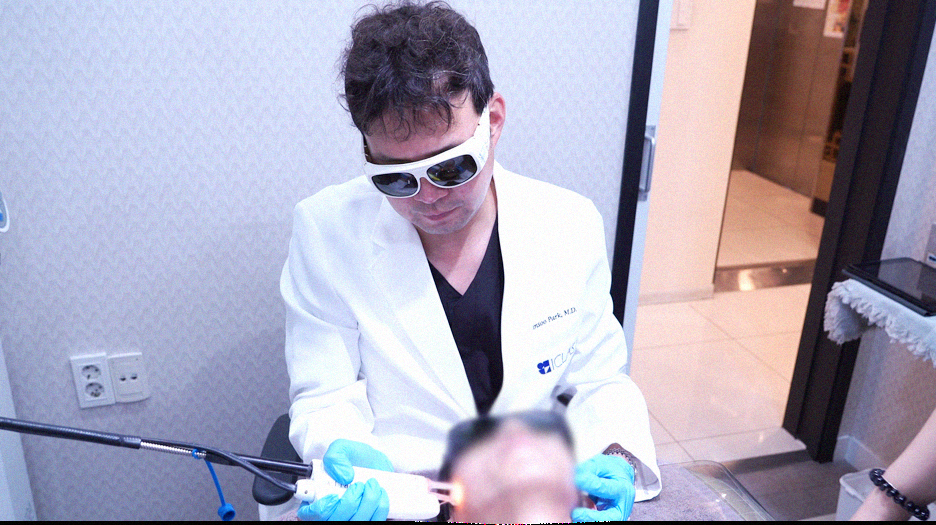
Acne Treatment typically involves analyzing your current skin condition and then creating a personalized plan. After comprehensively checking the number of acne lesions, the degree of inflammation, skin sensitivity, sebum secretion, and the presence of scars, the treatment direction is determined. Depending on the case, acne extraction, inflammation management, skin regeneration treatment, sebum control treatment, acne scar management, and lifestyle improvement counseling may be considered individually or in combination. The necessary treatment can vary depending on an individual's skin condition.
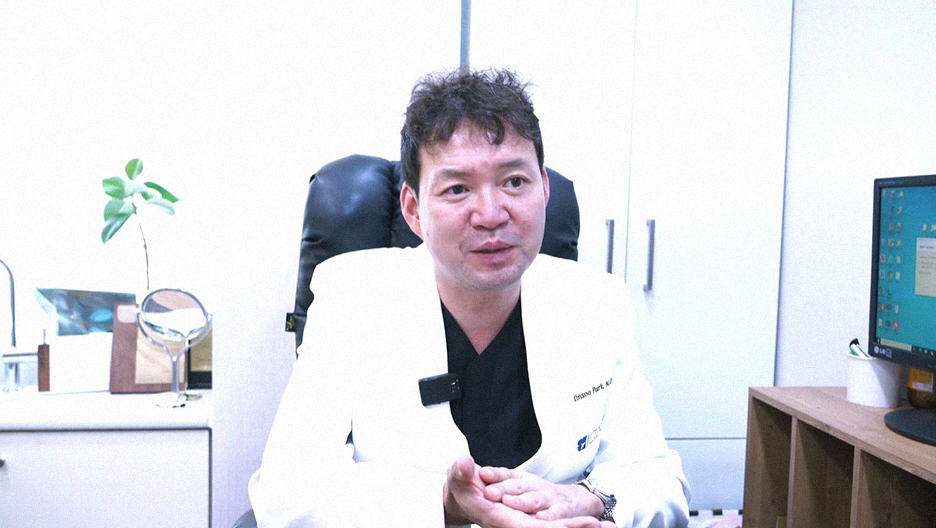
During the consultation, we don't just look at the blemishes that are currently present. We also evaluate the area where acne occurs, the degree of inflammation, sebum secretion, skin sensitivity, the presence of hyperpigmentation, the presence of scars, previous treatment experiences, lifestyle habits, and skin care methods. For comedonal acne, we focus on the pores and sebum condition; for inflammatory acne, the extent of inflammation and skin irritation; for recurring acne, lifestyle habits and causes; and for scars, their depth and extent. Even for the same type of acne, the treatment plan can vary depending on the skin condition.
Treatment duration and daily care
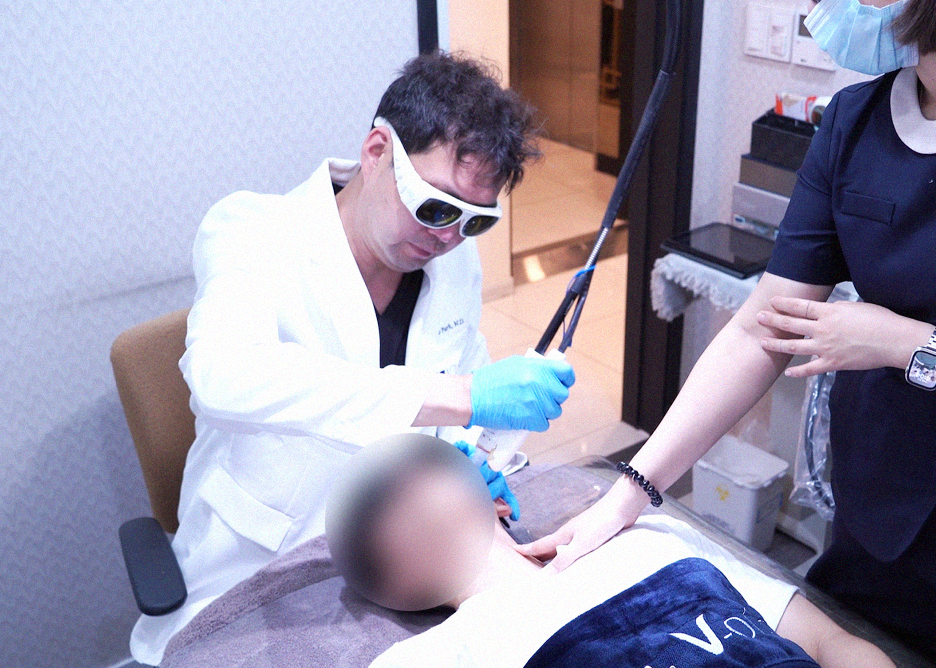
Acne often requires continuous monitoring and management of the skin condition rather than resolving all problems in a short period. Consultation times vary depending on the treatment content but can generally take approximately 20-40 minutes, and the plan may be adjusted by checking progress at regular intervals depending on the skin condition. More long-term management may be necessary if inflammation is severe or if scars are also present.

Along with treatment, daily skin care is also important. Washing your face too frequently or rubbing your skin vigorously can actually put a strain on the skin barrier. It's advisable to be careful as the habit of squeezing acne with your hands can increase the risk of worsening inflammation and developing scars. Sufficient sleep, a balanced diet, appropriate moisturizing, and Sun Protection can also be helpful.

Adult acne can also have a treatment plan tailored to the skin condition after identifying the cause. Many people ask if treatment ends with just extraction, but depending on the type of acne and the degree of inflammation, various treatments beyond extraction may be considered. For acne scars, the necessary management methods will be discussed after evaluating the current skin condition and the depth of the scars, and the treatment period and intervals may vary depending on the severity of the acne and the skin's recovery status, so they are adjusted while monitoring progress.
If you are concerned about recurring acne, it's important to look at various causes such as skin type, sebum secretion, degree of inflammation, and lifestyle habits, rather than just managing the visible blemishes. Since everyone's skin condition and causes are different, the treatment plan cannot be the same. If you are curious about your current skin condition, you are welcome to leave an inquiry conveniently via Chat Consultation [blocked].

This article was reviewed by Park Min-soo, Lead Directors (7th President of the Korean Academy of Laser Dermatology and Hair, Adjunct Professor at Hanyang University College of Medicine) and Lee Yu-seok, Lead Directors (Vice President of the Korean Academy of Laser Dermatology and Hair, 20 years of clinical experience). Last reviewed 2026-08-11.