
Pyeongtaek Botox: area-specific planning and muscle movement.
Why the plan changes area by area, following muscle movement.
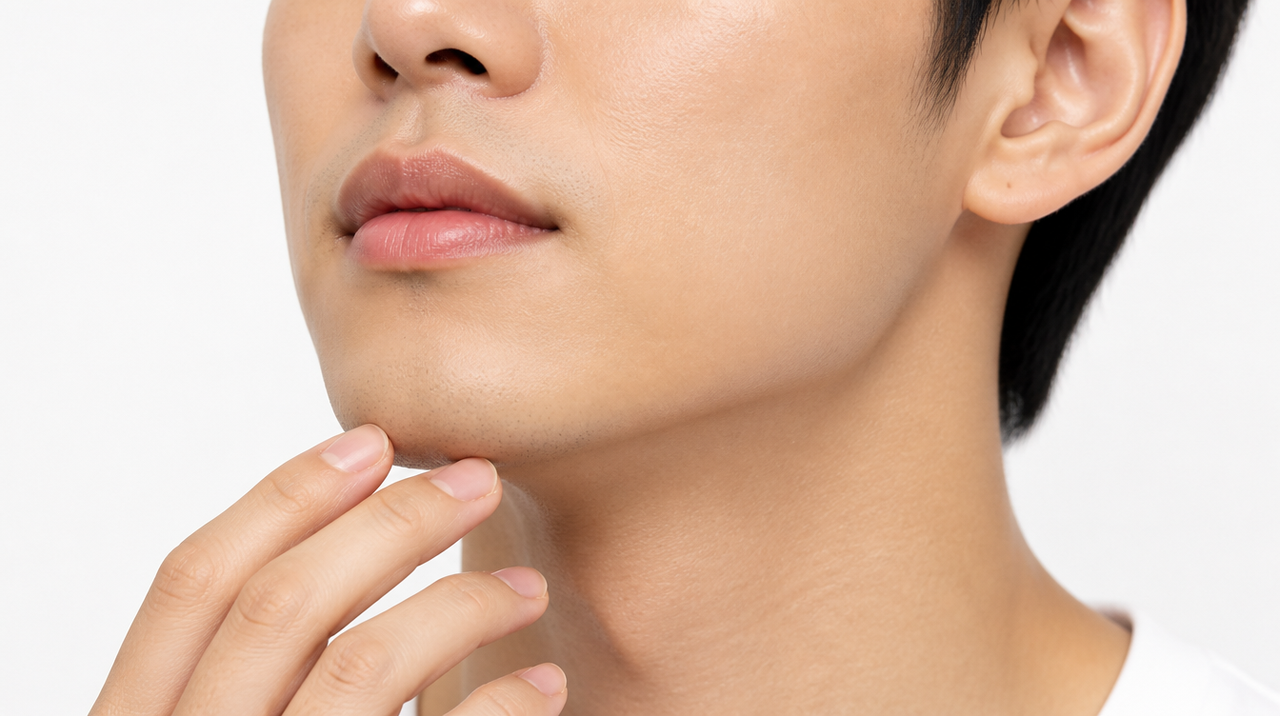

When consulting about Botox, we often hear expressions like these more often than "please smooth out my wrinkles": I wish my expression looked a little softer, I wish my jaw looked less heavy, I'm bothered by the fine lines that appear when I smile.
Botox is known as a procedure that can be done in a relatively short time, but simply getting an injection does not guarantee the same results for everyone. This is because the impression and movement can change depending on which muscles are targeted, to what extent, and with what purpose the treatment is planned. Therefore, before comparing dosages, it is important to first analyze current facial expression habits and facial muscle movements.
Concerns Starting from Muscle Movement
Concerns that lead to Botox consultations are generally related to muscle movement.
- Deep wrinkles that form when frowning
- Horizontal wrinkles that repeatedly appear when raising the forehead
- Prominent fine lines around the eyes when smiling
- Cases where jaw muscles are developed, making the lower face appear wide
- Cases where an uneven expression appears when moving the jaw
- Cases where a neutral expression looks heavy due to muscles around the corners of the mouth
Even if they appear to be the same wrinkles, the approach may differ depending on whether the cause is the skin itself or repetitive muscle use.
Reasons Why Plans Differ by Area
The forehead and glabella are the areas where expression changes are most prominent. Rather than looking at the forehead in isolation, it is necessary to consider the position of the eyebrows, habits of opening the eyes, and the strength of the glabellar muscles together to plan natural expression changes.
Crow's feet are connected to the natural expression that appears when smiling. Therefore, rather than excessively reducing movement, plans often aim to alleviate fine lines while maintaining a natural eye smile.
Square jaw Botox plans vary depending on the degree of development of the jaw muscles (masseter muscles). It is important to evaluate chewing habits, muscle thickness, and left-right balance together, rather than just thinking about making the jaw smaller.
What We Check Together During Consultation

During consultation, we don't just check the location of wrinkles. We evaluate expression habits, degree of muscle development, left-right symmetry, skin thickness, face shape and lower face ratio, previous Botox treatment experience, desired degree of change, and even important facial movements in daily life, before deciding on the treatment area and plan.
Even for the same Botox procedure, the necessary scope and plan may differ depending on the face shape and muscle usage patterns.
Treatment Time and Post-Procedure Care
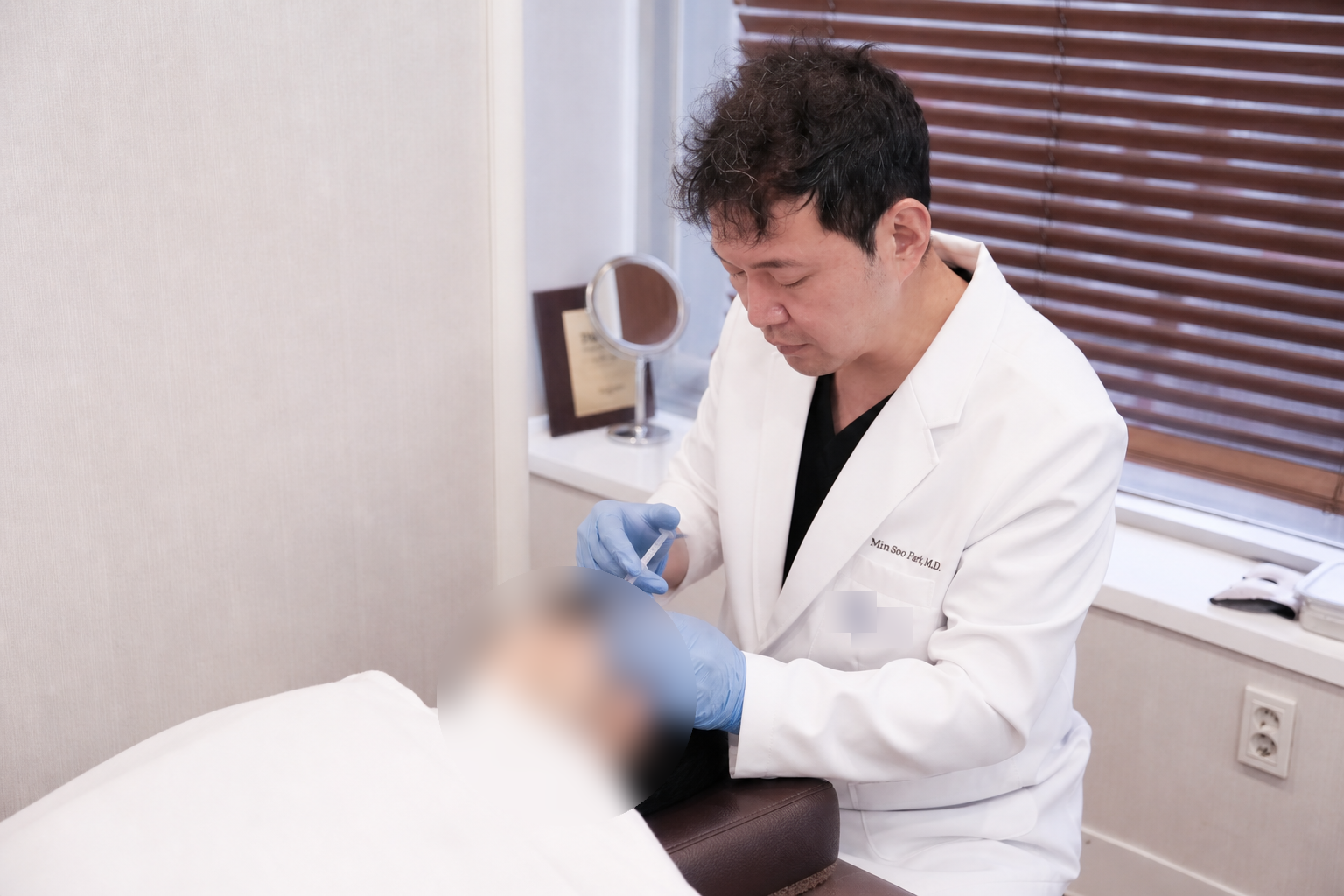
Botox procedures generally take about 5-15 minutes, and this can vary depending on the area and scope. Before the procedure, we check current expressions and muscle movements to create a plan, and if necessary, proceed after sufficient consultation about the direction of expression changes.
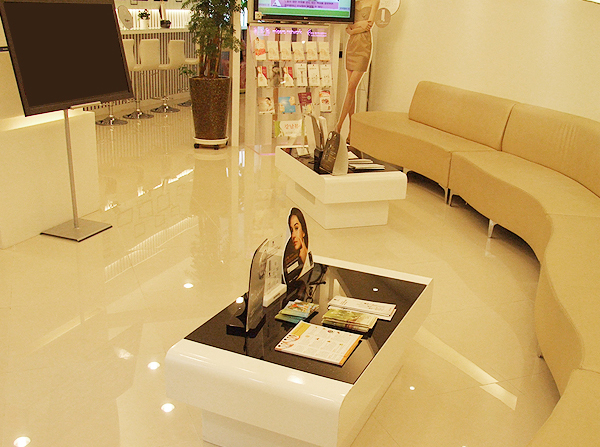
After the procedure, it is important to follow the medical staff's instructions for care. You should remember not to rub the treated area vigorously, avoid excessive pressure for a certain period, adjust alcohol consumption and sauna/strenuous exercise for a certain period, and check the progress to see if expression changes appear naturally. Temporary redness or bruising may occur depending on the individual, and the recovery process may vary.
"Doesn't Botox make expressions unnatural?" This is a frequently asked question. It is important to plan considering individual muscle movements and the desired degree of change, and consultations are conducted in a way that maintains natural expressions.
For square jaw Botox, suitability is confirmed after evaluating the degree of jaw muscle development and face shape. If you have had Botox before, the timing of the procedure, current muscle condition, and desired direction of change may have shifted, so it is advisable to re-evaluate and then create a plan.
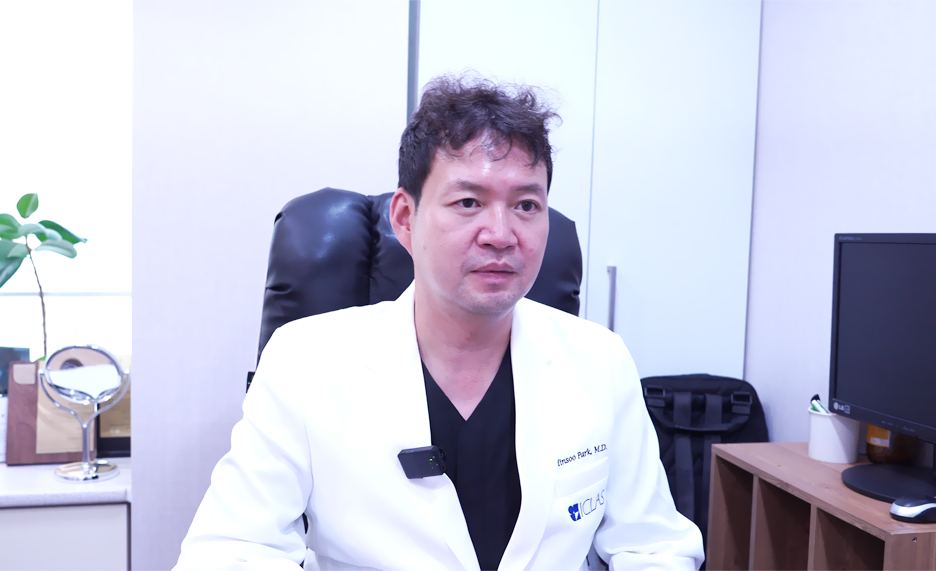
If you are considering Botox, understanding your current expression habits and facial muscle movements with high accuracy is more important than simply eliminating wrinkles. Since everyone has different degrees of muscle development, habits of using expressions, face shapes, and desired changes in impression, the appropriate plan can also differ. If you are curious about which plan is right for your expressions, please feel free to inquire via Chat Consultation [blocked].

This article was reviewed by Lead Directors Park Min-soo (7th President of the Korean Academy of Laser Dermatology and Hair, Adjunct Professor at Hanyang University College of Medicine) and Lee Yu-seok (Vice President of the Korean Academy of Laser Dermatology and Hair, 20 years of clinical experience). Last reviewed 2026-08-11.