
Pyeongtaek dermatology laser hair removal: area-specific management tips
Underarms, legs, and face differ in hair and skin — so do the plans.
When consulting about laser hair removal in the Consultation Room, more people come in because of the marks left by shaving than because of the hair itself. These include stinging after shaving, red irritation, dark shaving marks, and recurring problems like folliculitis. Consultations continue throughout all four seasons, not just in summer, for reasons such as exercise, swimming, and hygiene management, which is in the same context.
If you are considering laser hair removal, it is good to first understand one thing: the skin characteristics and hair thickness differ for each area, and accordingly, the management methods also change.
What Repeated Shaving Leaves on the Skin
Shaving is convenient, but it can be a repetitive irritation to the skin. If you continue to shave hair that grows back in just a day or two, irritation can accumulate, sometimes leading to redness, itching, and hyperpigmentation. In such cases, it is important to evaluate the current skin condition and the degree of irritation together, rather than just looking at the amount of hair.
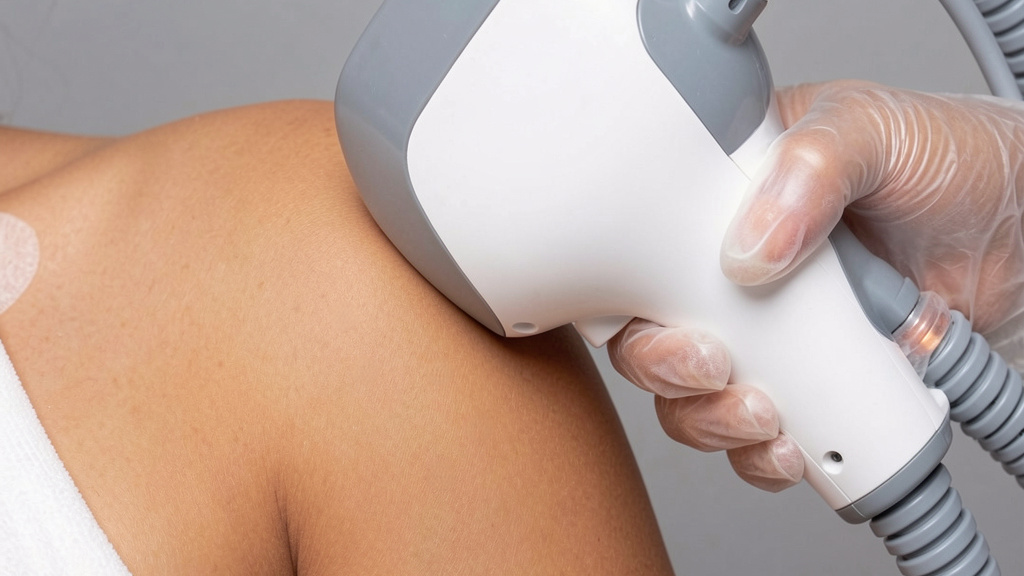
Laser hair removal utilizes the principle of reacting to melanin pigment in the hair follicles. Since hair has a growth cycle, it often requires repeated management at regular intervals rather than all hair being removed in a single session. The necessary number of sessions and intervals can vary depending on hair thickness, skin color, and area, so confirming your current condition during a consultation is the first step.
Different Management Points for Each Area

The underarms are an area with a lot of sweat and friction. Repeated shaving can easily accumulate irritation, and many people seek consultation due to shaving marks or progressively darkening hyperpigmentation. Although it is a relatively small area, its folded skin structure means that moisturizing and friction management may be important after the procedure.
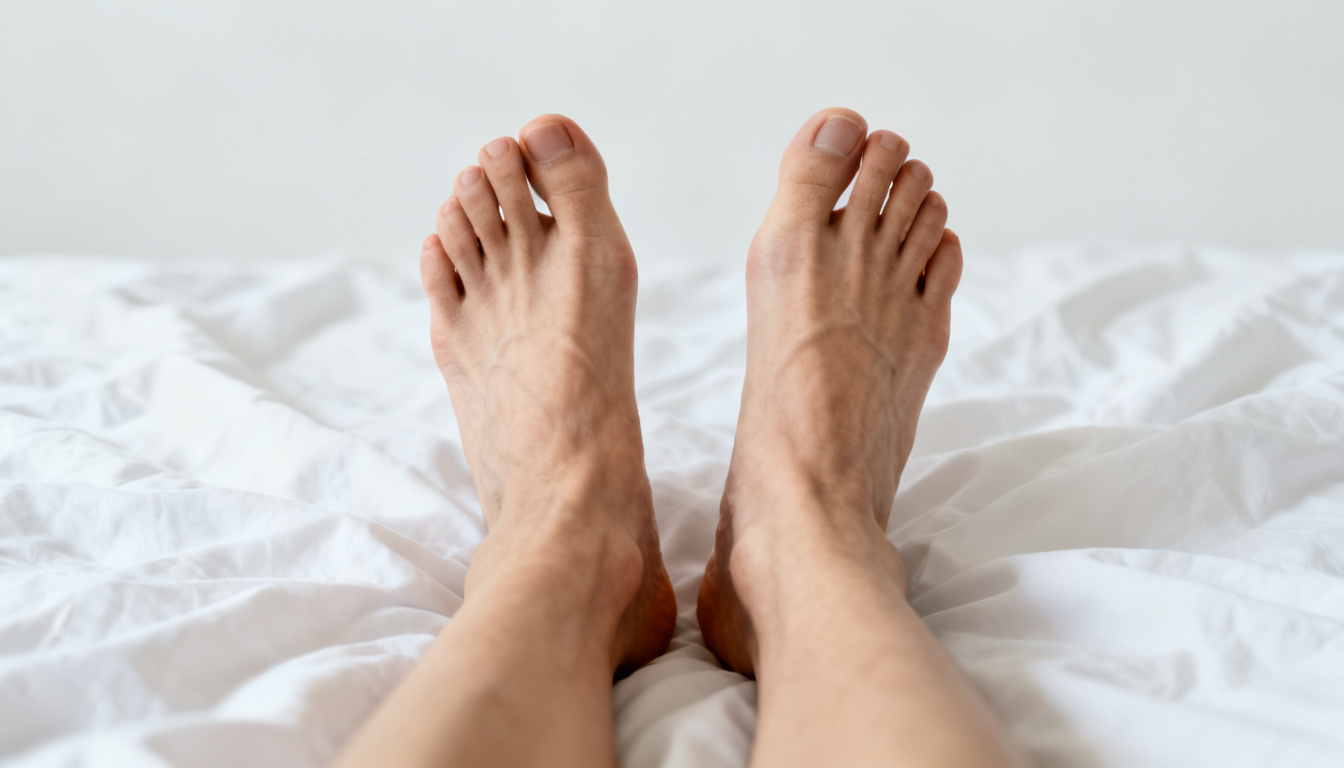
For legs, the hair thickness and density often differ between the thighs and calves. If you engage in a lot of exercise or outdoor activities, skin dryness and Sun Protection exposure should also be considered. During leg consultations, the following points are checked together:
- Difference in hair thickness between thighs and calves
- Hair removal area
- Degree of skin dryness
- Presence of irritation after shaving
- Frequency of exercise or outdoor activities
As the area is wide, the procedure time and management plan may also vary by area.
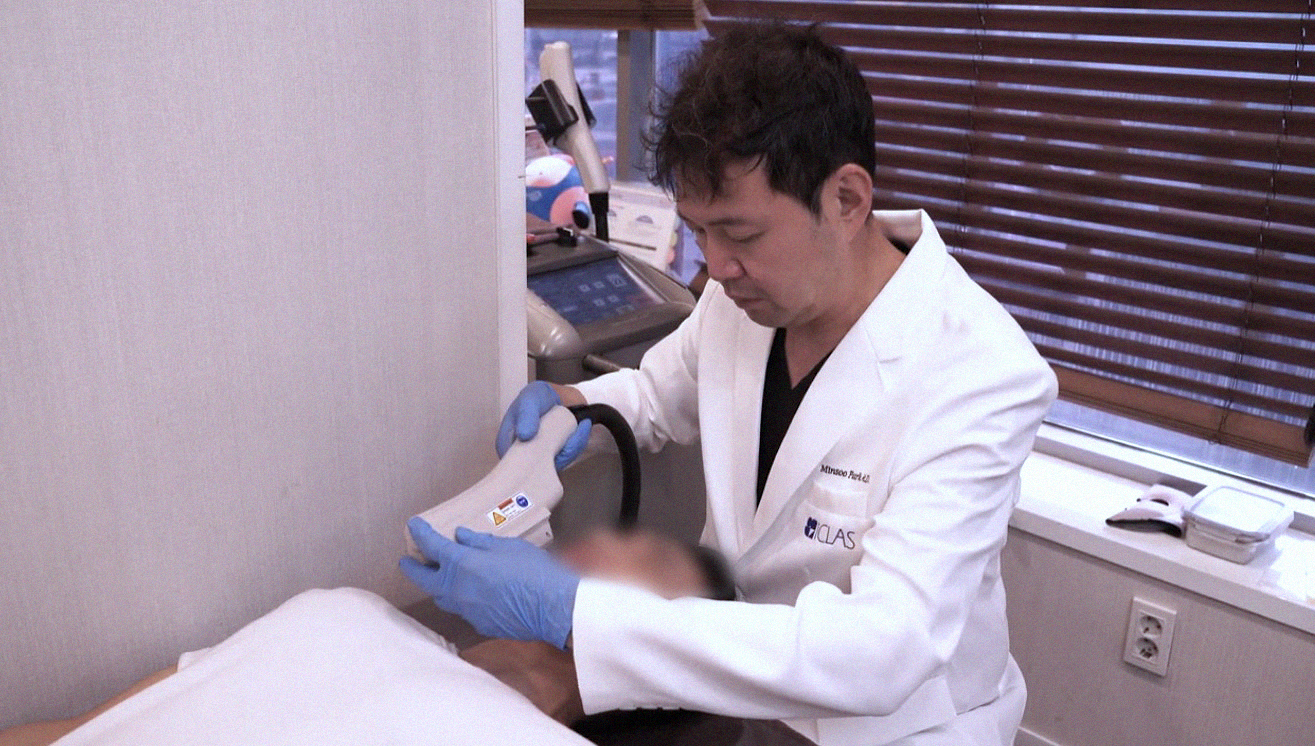
The face is an area where the skin is relatively thin and sensitive to external stimuli. Some people come in because fine hairs make their makeup look uneven or their skin appears dull. Facial hair removal plans are made after checking not only the amount of hair but also skin sensitivity, redness, and the presence of acne.
Even with the same laser hair removal, the necessary energy and management methods can vary depending on the area.
How are Intervals and Time Planned?
Considering the hair growth cycle, underarms are generally planned at intervals of about 4-6 weeks, legs at about 6-8 weeks, and face at about 3-5 weeks. However, the actual interval may vary depending on individual hair thickness and growth rate, and it may be adjusted while observing the progress.
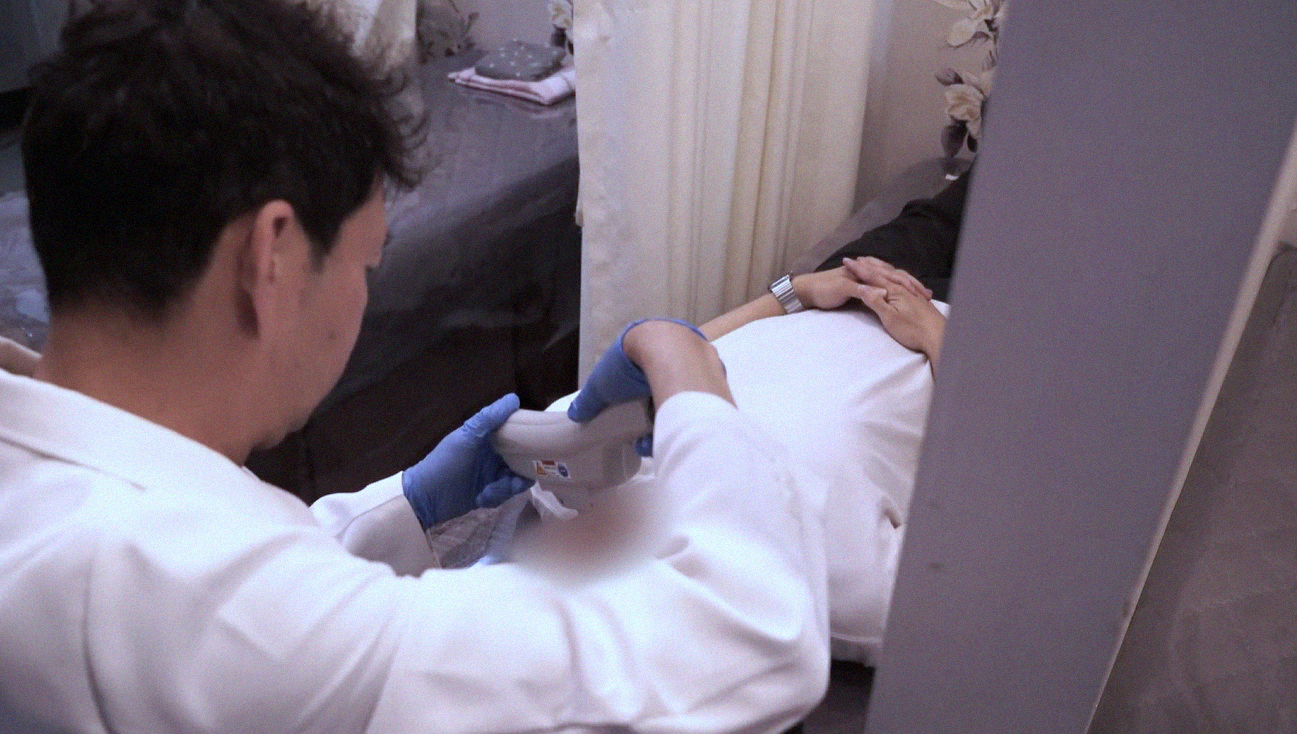
The time required also varies by area. Underarms typically take about 5-10 minutes, face about 10-20 minutes, calves about 20-40 minutes, and full legs about 40-60 minutes, but this can vary depending on the area and hair condition.
What to Check Before and After the Procedure

Before the procedure, preparation to reduce skin irritation can be helpful.
- Trim hair length by shaving the day before the procedure
- Avoid waxing or using tweezers
- Minimize Sun Protection exposure
- Consult in advance if there are any wounds or inflammation on the skin
Especially for waxing, it removes the hair follicle itself, which can reduce the target for the laser, so it is best to avoid it for a certain period.
After the procedure, the skin may be temporarily sensitive. It is recommended not to rub the treated area strongly, to avoid hot saunas or steam baths for a certain period, and to maintain sufficient moisturizing and Sun Protection. If there is red irritation, you can manage it according to the medical staff's instructions. For legs and face, moisturizing and Sun Protection can be particularly important in reducing irritation.
"How many times should I get laser hair removal?" This is the most frequently asked question, but it is difficult to give a fixed answer as there are individual differences depending on hair thickness, growth cycle, and area. The correct sequence is to evaluate the current skin and hair condition and then establish a repeated management plan.
Light activities are possible after hair removal, but it is advisable to adjust intense exercises that cause a lot of sweating for a certain period. For those with sensitive skin, it is important to first check sensitivity and skin condition, then consult about potential irritation and management directions.
Laser hair removal is ultimately less about removing hair and more about allowing the skin to rest from repetitive irritation. Since each person has different skin sensitivity, hair thickness, degree of hyperpigmentation, and lifestyle habits, the appropriate plan can also vary. If you are curious about which area to start with and what interval is right for your skin, you are welcome to inquire comfortably via Chat Consultation [blocked].

This article was reviewed by Park Min-soo, Lead Directors (7th President of the Korean Society for Laser Dermatology and Hair, Adjunct Professor at Hanyang University College of Medicine) and Lee Yu-seok, Lead Directors (Vice President of the Korean Society for Laser Dermatology and Hair, 20 years of clinical experience). Last reviewed on 2026-08-11.