
Pyeongtaek beard hair removal: planning by area for men
We look first at what daily shaving leaves behind, not the hair itself.
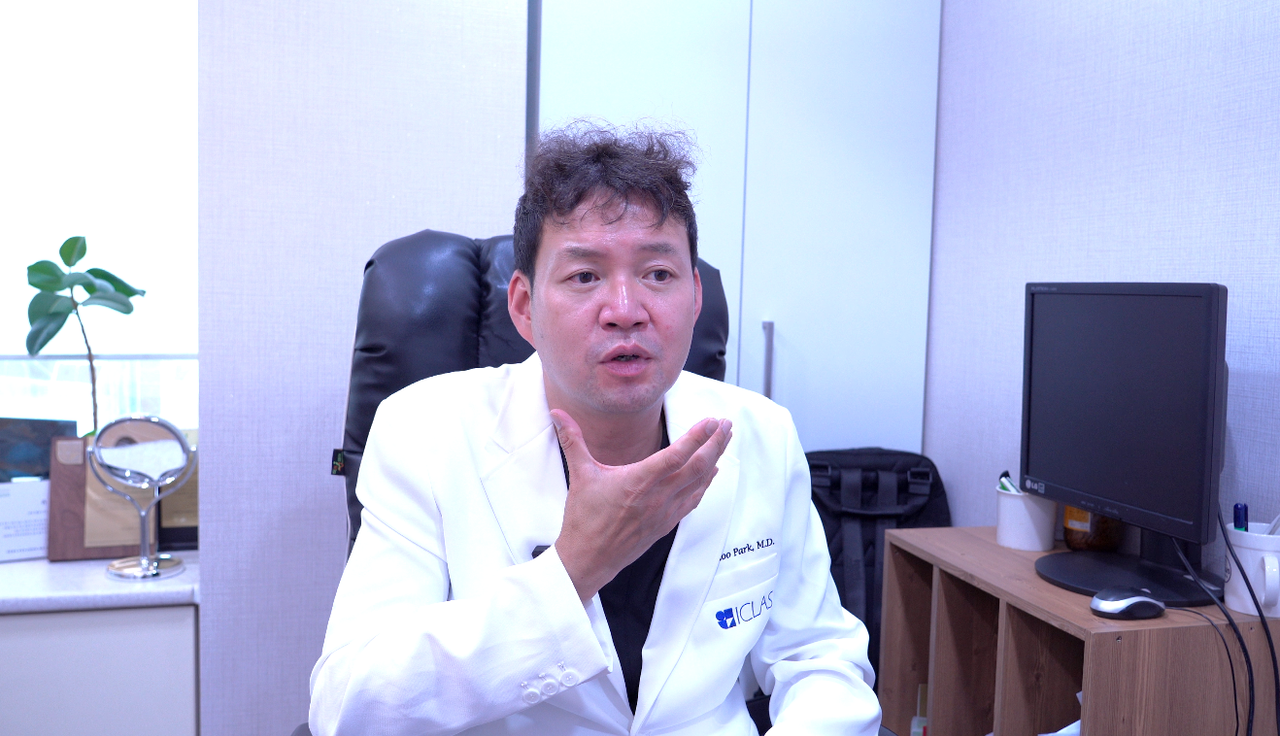
When consulting about beard hair removal in the Consultation Room, more people come in because of the marks left by shaving than the hair itself.
"Even if I shave in the morning, my skin quickly becomes rough by the afternoon, and I keep getting shaving-related troubles on my chin and neck."
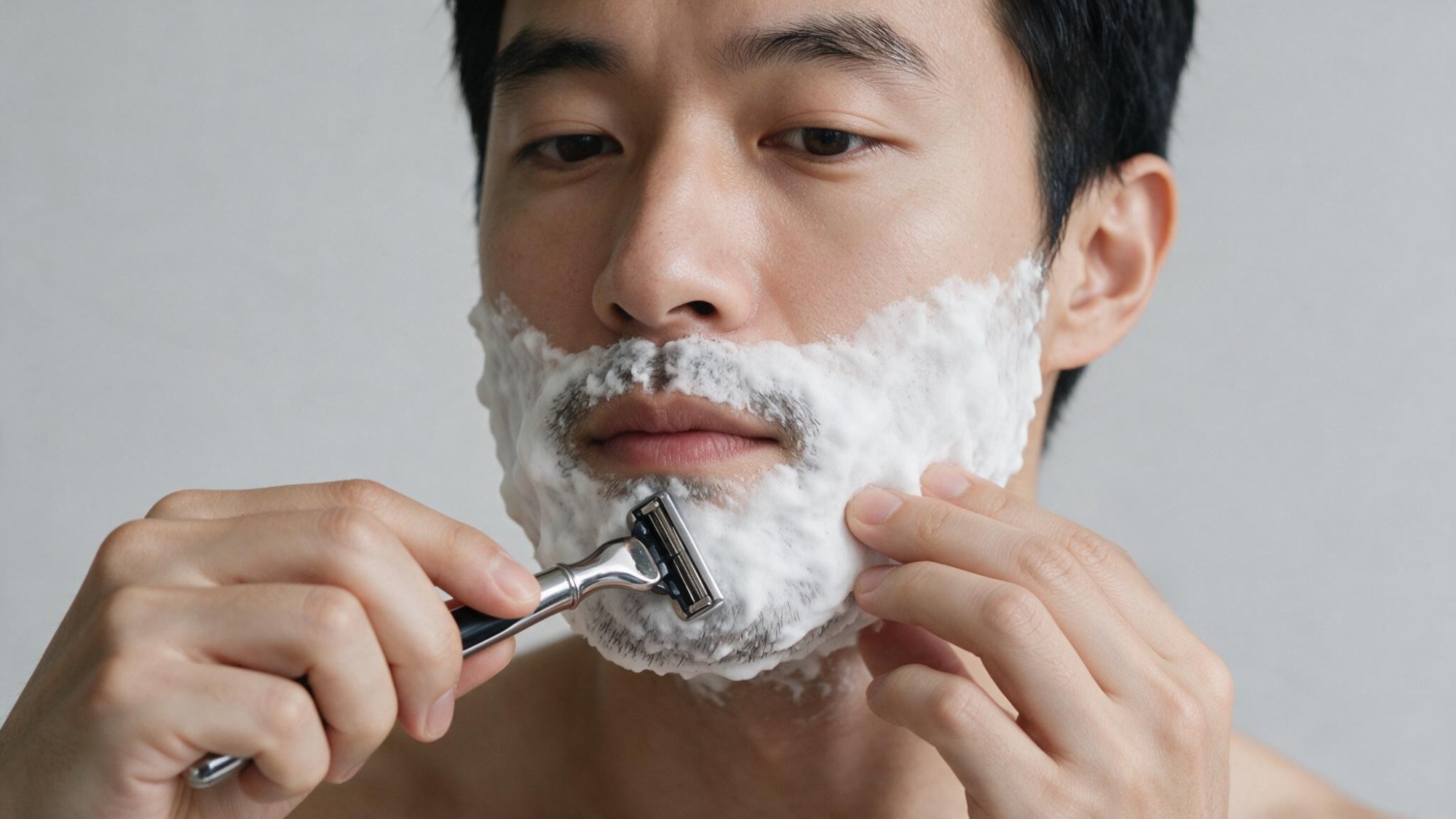
When we listen to men in Pyeongtaek who inquire about beard hair removal, it's often not just about wanting to remove hair, but rather the daily hassle of shaving, skin irritation like redness or folliculitis after shaving, and shaving marks that are at the core of their concerns. The chin, philtrum, and neck, in particular, are areas where hair is thick and irritation is prone to recur.
Therefore, male beard hair removal is not just seen as a matter of reducing the amount of hair. It's important to plan by considering the current thickness and density of the beard, skin sensitivity, and shaving habits together.
Why the Beard Area is Particularly Sensitive
Beard hair is often thicker and denser than other body hair. Hair on the philtrum, chin, and neck below the chin often grows deep, leading to frequent shaving, and in that process, skin irritation is prone to recur.
The discomforts we frequently hear in the Consultation Room are generally similar: stinging and burning sensations after shaving, recurring red troubles on the chin, skin that looks dark due to shaving marks, and having to shave more than twice a day. If these discomforts persist, rather than just reducing the frequency of shaving, a process of evaluating your skin condition and hair characteristics together may be helpful.
Why Laser Hair Removal is Planned as Repeated Management
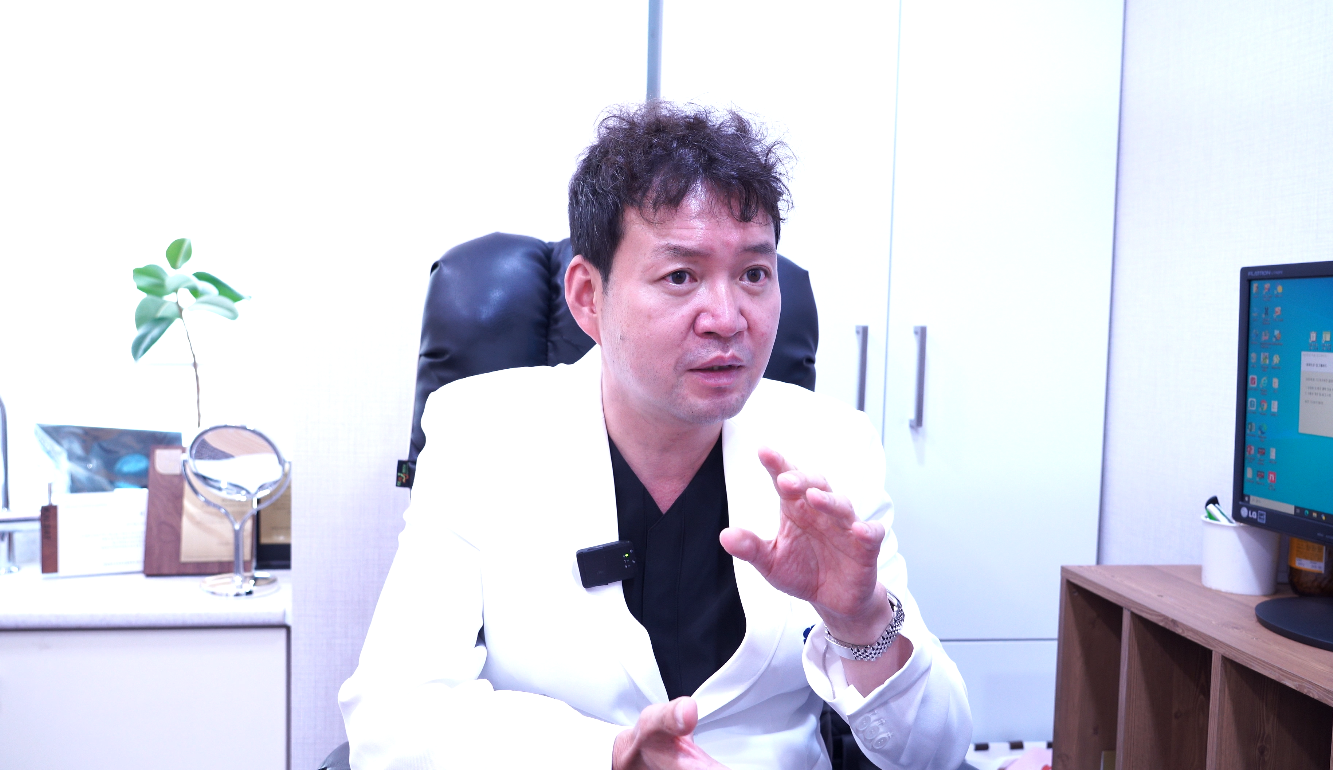
Laser hair removal is often planned using the principle of reacting to melanin pigment in the hair follicle. However, since beard hair growth cycles are not consistent and the timing of hair growth varies by area, rather than all beard hair being removed in a single session, management continued at regular intervals is often necessary. For men with thick beard hair, you may first notice changes such as a slower shaving speed or finer hair in the initial stages.
Therefore, during consultation, we don't just look at whether there is a lot or a little hair. We check the thickness and density of beard hair in each area (philtrum, chin, and neck), irritation reactions like redness after shaving, daily shaving frequency and method, and whether folliculitis or hyperpigmentation are present, and then create a plan suitable for your current skin.
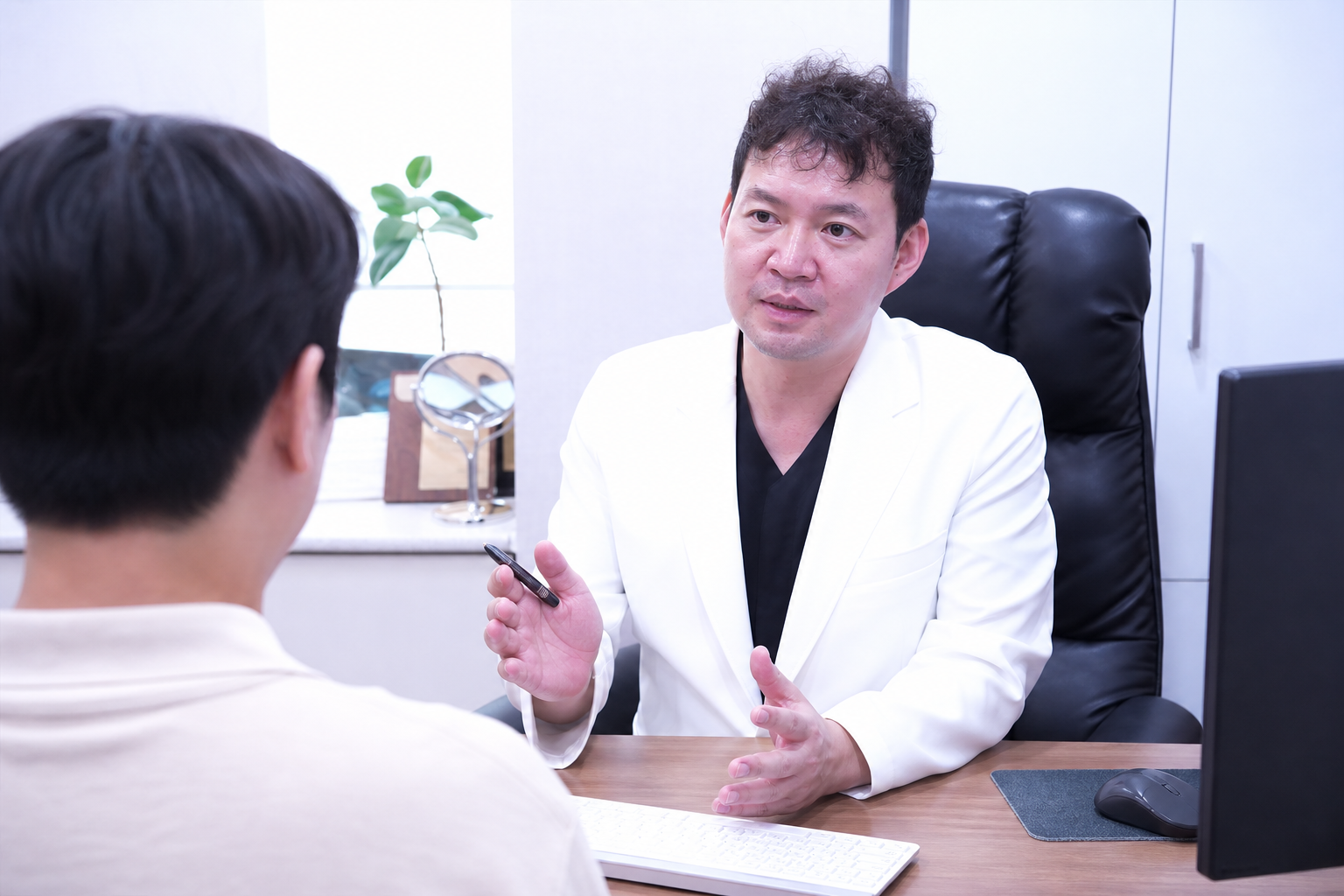
Even for the same beard, the characteristics vary by area. The philtrum is often sensitive to pain, the chin has thick hair making shaving marks prone to occur, and the neck is prone to recurring folliculitis due to skin folds and friction. This is why we plan by distinguishing the characteristics of the philtrum, chin, and neck.
How is the Procedure Performed?
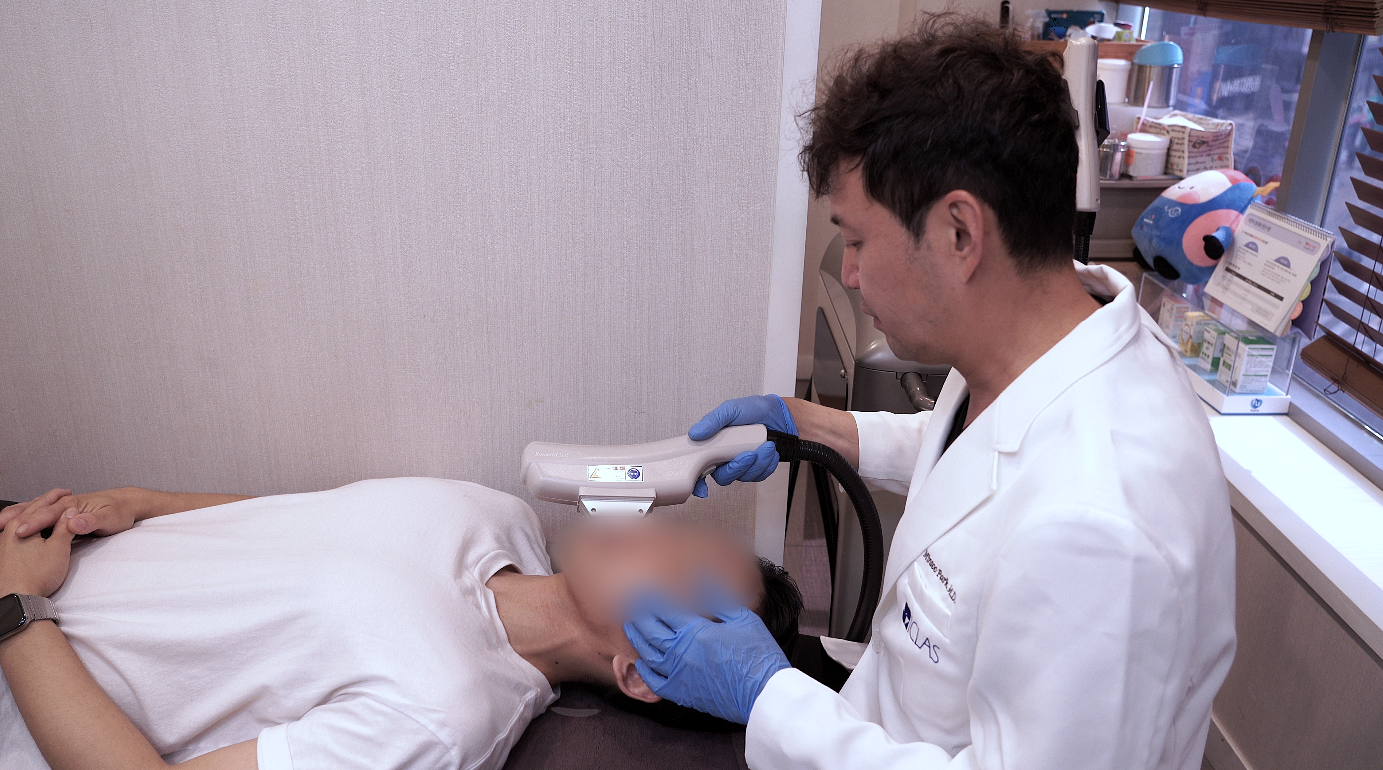
Beard hair removal often requires ongoing management at regular intervals, and the necessary extent varies depending on the thickness and density of the beard. Areas with thick and dense hair, like the philtrum, may require a longer course than other areas. Therefore, in the Consultation Room, rather than making premature judgments, we recommend adjusting the plan while observing the beard condition and skin reactions.
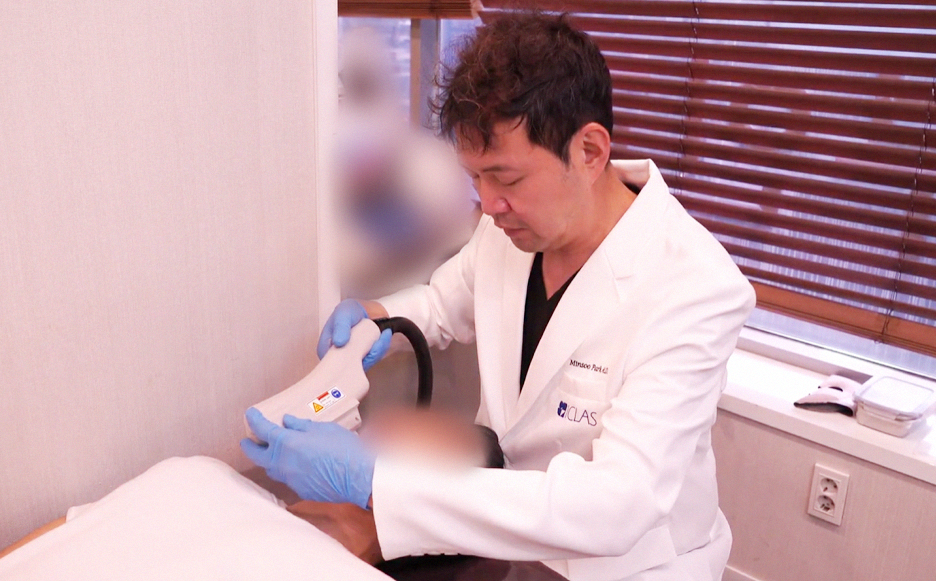
The procedure itself is relatively short. It generally may take about 10-20 minutes, with variations depending on whether the entire philtrum, chin, and neck are treated or only a part. Temporary redness or a slight sensation of warmth may appear after the procedure, but in most cases, daily life can be resumed relatively quickly, and there are individual differences in the extent of reaction depending on skin sensitivity.
Things to Keep in Mind Before and After the Procedure
Before the procedure, preparation to reduce skin irritation is helpful. Trim your beard length by shaving the day before the procedure, and it's best to avoid waxing or using tweezers. Waxing removes the hair follicle itself, which may reduce the target for the laser to react to. Please also reduce excessive alcohol consumption or skin irritation, and inform us in advance if you have any cuts or inflammation after shaving.

After the procedure, your skin may be temporarily sensitive, so we recommend the following care:
- Avoid strong scrubs on the day of the procedure
- Maintain sufficient hydration
- Use sunscreen when exposed to UV rays
- Adjust hot saunas and jjimjilbangs for a certain period
- Resume shaving after skin irritation has subsided
Especially for the neck area, which experiences a lot of friction, avoiding tight collars immediately after the procedure may be helpful.
Many people also wonder if beard hair will be permanently gone. We first want to mention that results may vary depending on hair thickness, growth cycle, and individual hormonal status, and ongoing management is often necessary. While thick hair may show good laser response, it may also require multiple sessions of management, so the process of evaluating your current condition together is important.
If you are considering beard hair removal in Pyeongtaek, please plan not just for removing the beard itself, but also for recurring shaving irritation, troubles, and shaving marks. As everyone's beard and skin are different, the appropriate plan will naturally vary. You are welcome to discuss your current shaving concerns comfortably first via Chat Consultation [blocked].

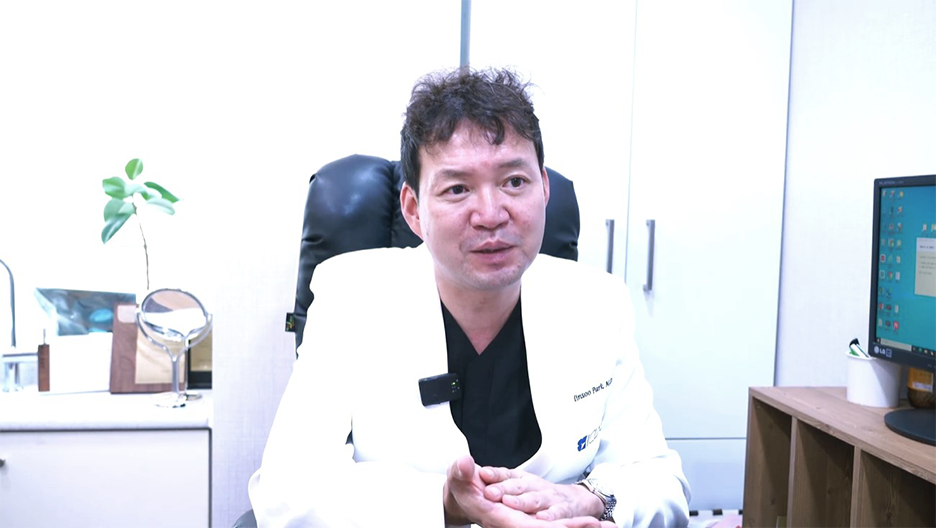
This article was reviewed by Lead Directors Park Min-soo (7th President of the Korean Society for Laser Dermatology and Hair, Adjunct Professor at Hanyang University College of Medicine) and Lee Yu-seok (Vice President of the Korean Society for Laser Dermatology and Hair, 20 years of clinical experience). Last reviewed 2026-08-11.