
Pyeongtaek beard laser hair removal: planning by area.
Beard laser hair removal may show different results depending on the thickness, growth direction, and skin sensitivity, all of which should be considered together.
"I shave in the morning, but my chin area gets dark by the afternoon." "The area where the razor passed stings and turns red." "Pimples repeatedly appear in the same spot."
These are common concerns we hear from men who come to us for beard hair removal consultations in Pyeongtaek. Such issues are not simply due to having a lot of beard hair. The thickness of the hair, its growth direction, shaving habits, and skin sensitivity all play a role, so before deciding on the cost or number of sessions, it's necessary to first assess your current beard and skin condition.
Beard and Skin: What to Look at First
Beard hair is generally thicker and has more pigment than arm or leg hair. Even if you shave the part that's outside the skin, the hair remaining inside can show through, making it appear bluish or dark. This phenomenon is more pronounced in areas where hair is dense, such as the chin and philtrum.
Shaving direction also affects the skin. Shaving multiple times against the direction of hair growth can easily create microscopic scratches on the surface. If sebum and dead skin cells accumulate here, the area around the hair follicles can become red or develop into inflammatory lesions. Among those considering men's beard hair removal in Pyeongtaek, it's not uncommon for the primary goal to be reducing this repetitive shaving irritation rather than just improving appearance. This is why it's important to check not only the amount of beard hair but also its thickness and your skin's reaction.
How Lasers Work and the Hair Growth Cycle
Laser hair removal works by delivering energy to melanin, the dark pigment found in hair. The delivered energy converts to heat and acts on the tissues around the hair follicle. However, not all visible beard hairs are in the same growth stage. Beard hair cycles through growth, regression, and resting phases, and lasers tend to respond relatively well to hair in the growth phase. This is why it's difficult to treat all beard hair in a single session.
Therefore, men's beard hair removal in Pyeongtaek typically involves a plan of multiple sessions at regular intervals. As treatments continue, you may expect changes such as slower growth, or reduced thickness and density, but the number of sessions needed and the degree of change can vary from person to person.
Different Approaches for Different Areas
The philtrum, chin, jawline, cheeks, sideburns, and neck each have different characteristics. The philtrum and chin have thick, dense hair, which can make the treatment feel more stimulating. The cheeks and neck have hair growing in various directions, requiring precise determination of the treatment area.
Treating the entire face with the same settings is not always appropriate. Energy and application methods should be adjusted according to skin tone, hair thickness, and the presence of inflammation or pigmentation. If you are considering starting men's beard hair removal in Pyeongtaek, it's a good idea to think in advance about the desired shape, such as whether you want to reduce the beard overall or leave a border along the jawline and sideburns. Adjusting to your skin condition is a priority over using strong energy.
Pre- and Post-Treatment Care
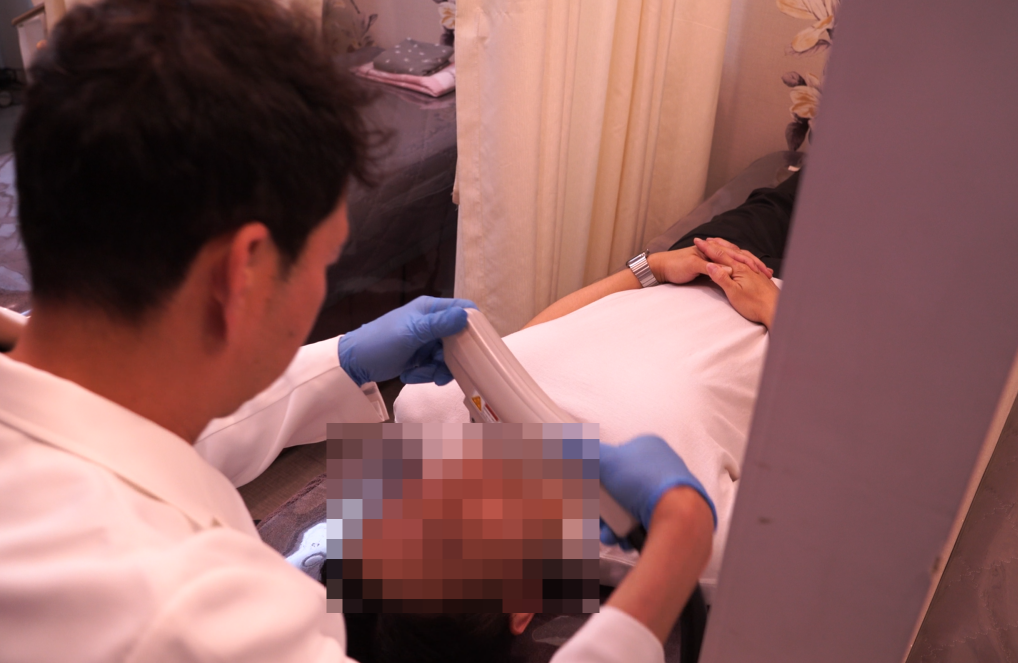
Before treatment, it's best not to pluck or wax your beard. This is because the hair that the laser energy targets needs to remain in the hair follicle to react. Shaving is possible, but be careful not to cause any cuts. If you've been exposed to the sun for a long time or are tanned, the treatment schedule may be adjusted. If you are taking any medications or using ointments, it's advisable to inform the medical staff in advance. On the day of treatment, avoid alcohol-based products or cosmetics that could be irritating. For areas with inflammatory acne or wounds, the treatment scope may be adjusted depending on the condition.
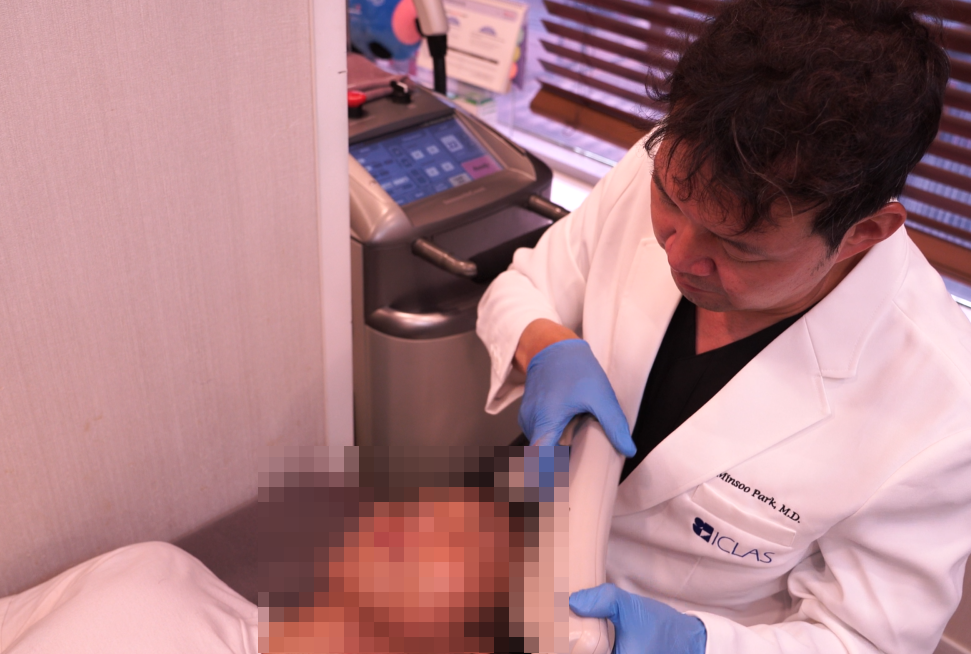
Immediately after treatment, the area around the hair follicles may appear red or feel warm, but this is usually temporary. If necessary, cool the area to soothe it and protect the skin barrier with a moisturizer. On the day of treatment, avoid activities that raise body temperature, such as hot baths, saunas, strenuous exercise, or alcohol consumption, as well as exfoliating products. When going out, it's recommended to use Sun Protection to reduce the possibility of pigmentation.
The starting points for those looking into men's beard hair removal in Pyeongtaek vary. Some have thick and dense beards, while others experience severe shaving irritation but don't have a lot of hair. The plan will differ depending on hormones, skin tone, hair follicle depth, and the desired degree of reduction. Rather than simply completing a set number of sessions, it's important to adjust the scope and energy by checking the growth pattern and skin reaction each time. You may also consider reducing the density only in darker areas like the philtrum and chin, rather than removing all beard hair. If you have any beard concerns you're currently experiencing, please feel free to inquire via Chat Consultation [blocked].
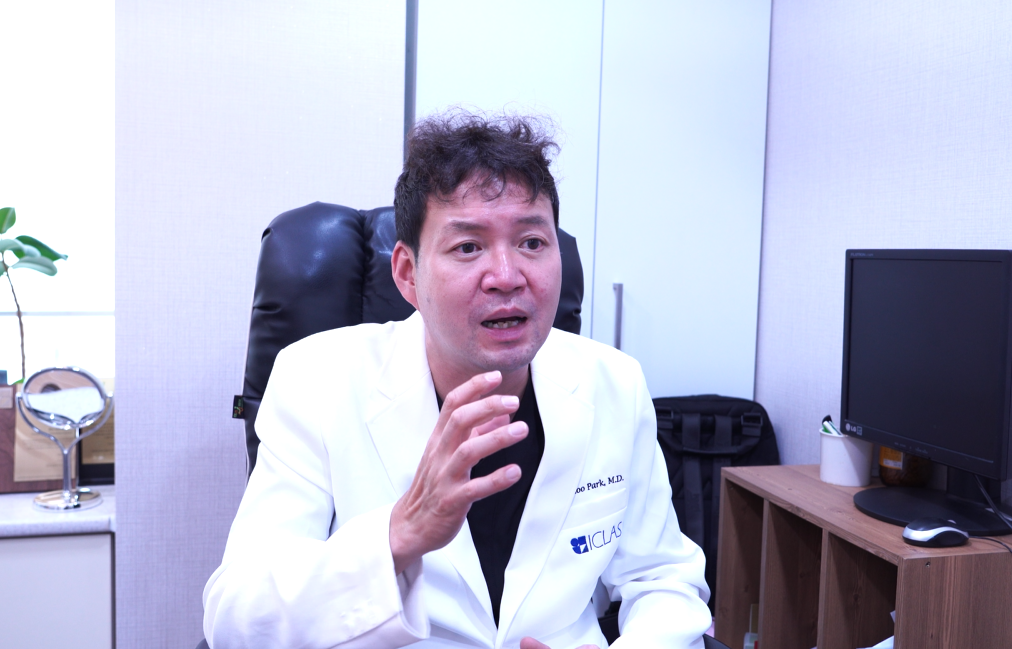
This article was reviewed by Park Min-soo, Lead Directors (7th President of the Korean Laser Dermatology and Hair Society, Adjunct Professor at Hanyang University College of Medicine) and Lee Yu-seok, Lead Directors (Vice President of the Korean Laser Dermatology and Hair Society, 20 years of clinical experience). Last reviewed 2026-09-06.