
Bikini Laser Hair Removal in Pyeongtaek: What to Check for Sensitive Areas
Many people feel they have reached the limits of at-home hair removal because irritation keeps recurring even with shaving or waxing. Sensitive areas have thin skin that reacts easily to irritation, so there are specific criteria to look at before bikini laser hair removal. Skin thickness and hair thickness differ from person to person, so the right method also varies slightly.
The most common questions are which method is safe and how long recovery takes. We have answered, in order, the questions people often ask when considering bikini laser hair removal in Pyeongtaek.
When do people consider bikini laser hair removal?
The question "Is it okay for me to get it?" comes up more often than you might think.

The bikini line is an area where hair follicles sit deeper below the skin surface, so at-home hair removal alone easily leads to repeated irritation. Frequently wearing underwear or swimsuits also makes follicle irritation more likely because of friction. People start to think of bikini laser hair removal as an option in cases like these.
- You often wear underwear or swimsuits
- Your hair tends to be curly or coarse
- Skin trouble keeps recurring after shaving or waxing
- You often experience discomfort from follicle irritation
Curly or coarse hair can also lead to skin trouble during shaving and waxing.
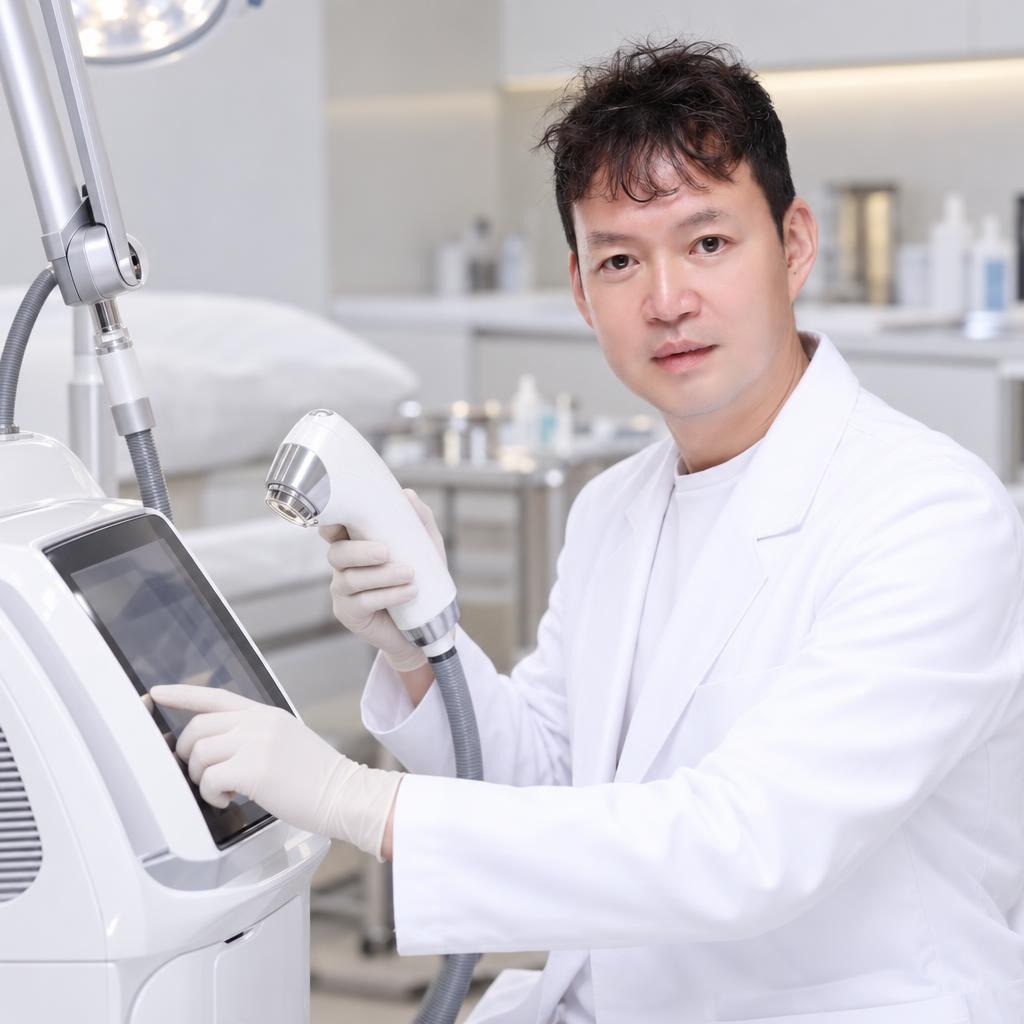
Skin condition and hair characteristics differ from person to person, so if you are unsure, it is necessary to have your condition checked first.
How bikini laser hair removal gets rid of hair
The basic principle of bikini laser hair removal is that melanin in the hair absorbs light energy and that heat is transferred to the hair follicle. Because it targets pigment, the degree of response varies with the color and thickness of the hair. Since sensitive areas have thin skin, a cooling function is often used at the same time during treatment.
Even within bikini laser hair removal, the way the laser is applied varies with the size and contours of the area and with skin tone.

| Condition | What changes during treatment |
|---|---|
| Wide, flat areas | Even coverage is important and treatment goes relatively quickly |
| Areas with many contours | A close approach and precise application are needed |
| Darker skin tone | Wavelength settings are adjusted more carefully |
| Fine, light hair | The response may be relatively weaker |
Because of these differences, the characteristics of each area are also considered when choosing a device. In the end, you can think of bikini laser hair removal as being adjusted to the condition of your skin and hair.
What criteria are used to choose the method for sensitive areas?
The method is chosen after first looking at skin thickness, whether there is pigmentation, and sensitivity to pain. If your skin tone is on the darker side, settings sometimes need to be adjusted more carefully because of how melanin absorbs light.

For bikini laser hair removal, devices that handle two wavelengths, 755 nanometers and 1064 nanometers, are sometimes used. Their key feature is that the wavelength can be chosen to suit skin tone and hair color.
- Checking skin thickness
- Checking for pigmentation
- Considering pain sensitivity
- Choosing a wavelength that suits skin tone and hair color
Sensitive areas have many contours, which also makes it tricky to adjust the angle and speed of the laser. As a result, bikini laser hair removal settings may be set differently for each person even for the same area.

Recovery and care after treatment
Recovery time varies slightly with skin sensitivity and treatment intensity. Some redness or a stinging sensation may remain for a while, but it usually subsides naturally over time.
- Reduce friction from underwear and wear breathable clothing
- Avoid hot water right after treatment
- Minimize excessive friction and irritation
- Tell us in advance at your consultation about pregnancy, underlying conditions, and any medications you are taking

Because this is a sensitive area, the first priority is to reduce friction from underwear and choose breathable clothing. Right after treatment, avoid long washes in hot water or rubbing hard. If you are pregnant, have an underlying condition, or take any medication, please tell us during the consultation before treatment so that a safe plan can be made.
Reducing sun exposure is also a key point of aftercare. It is best to give it time and wait for the hair follicles to stabilize.
How long do the results last?
How long the results last depends on the growth cycle of the hair follicles and each person's hair density. Because hair follicles do not all grow at the same time, it is known to be difficult for a single bikini laser hair removal session to act equally on all follicles.
That is why repeated treatments at set intervals are the usual approach.
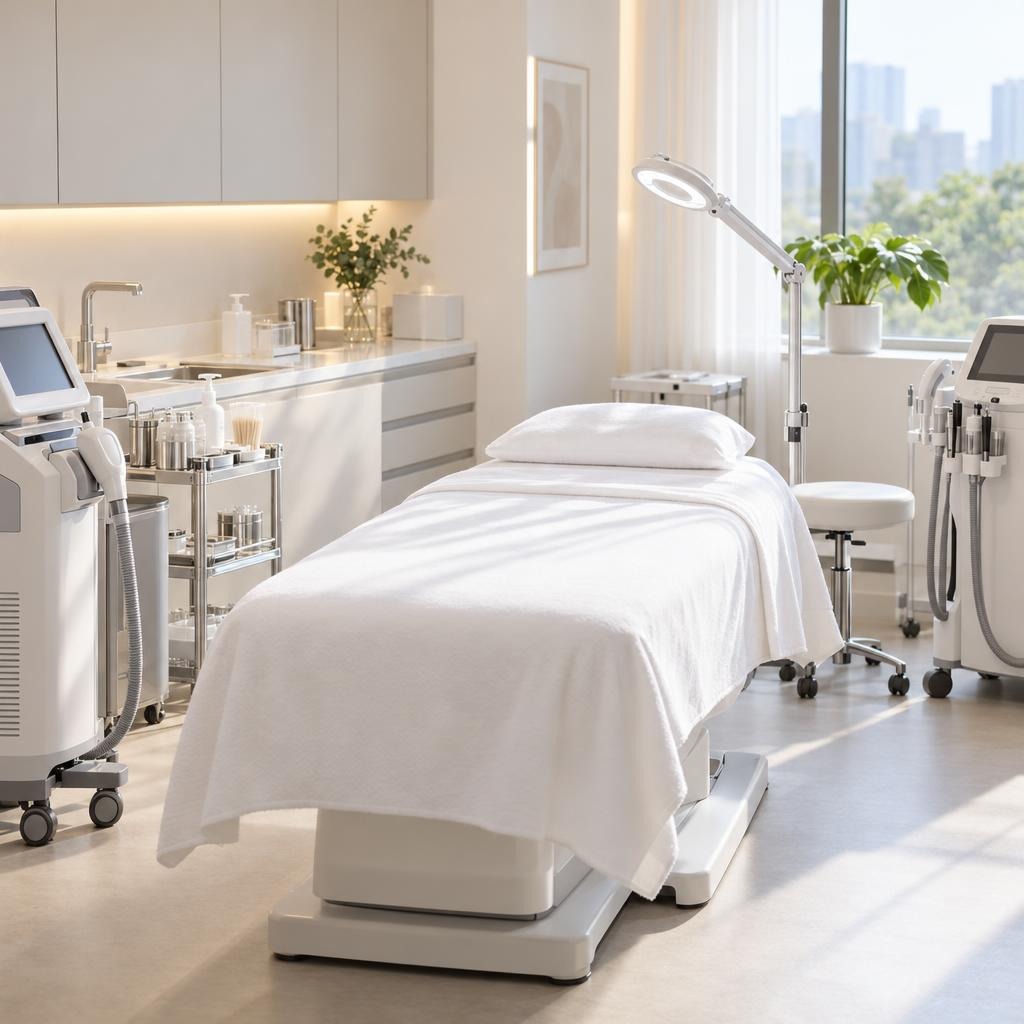
The rate at which hair grows back can also vary with skin condition and hormonal changes.
- Growth cycle of the hair follicles
- Individual hair density
- Regrowth rate depending on hormonal changes
- Interval between repeated treatments
It is good to make a care plan that takes these individual differences into account. Keep this in mind when you have a bikini laser hair removal consultation in Pyeongtaek as well.

In summary
Hair removal in sensitive areas is a delicate process that requires looking at skin thickness, pigmentation, and pain sensitivity. Everything from the choice of method to recovery care and how long results last depends on individual conditions, so the key to bikini laser hair removal is a choice tailored to the individual. Skin reactions differ from person to person, so the final decision is made after a direct check during an in-person consultation.
Since this is a sensitive area, it is important to confirm the method that suits you through a thorough consultation.
Last reviewed 2026-11-15. This article contains general medical information, and individual diagnosis and treatment plans are determined through an in-person consultation.