
Pyeongtaek Facial Blemish Laser Repetition and Post-Treatment Care
We have organized the reasons why facial blemishes become noticeable again, the relationship between lifestyle habits and skin condition, the differences in roles between cleansing, moisturizing, and laser treatment, sun protection, signs to consider medical consultation, and post-laser treatment care in order.
After receiving laser treatment once for facial blemishes, the first question is whether that is the end or if laser treatments need to be repeated continuously. To conclude, whether blemishes recur depends on skin condition and lifestyle habits, so it is difficult to expect that all blemishes will be resolved with just one laser treatment. Daily care such as cleansing, moisturizing, and sun protection must continue alongside laser treatment to manage facial blemishes for a long time.
We have organized the reasons why blemishes become noticeable again, the mutual influence of lifestyle habits and skin condition, the differences in roles between cleansing, moisturizing, and laser treatment, sun protection tips, signs to consider medical consultation, and post-laser treatment care in order. If you are looking into facial blemish laser treatment in Pyeongtaek, knowing this flow first will make consultations much easier.
Reasons Why Facial Blemishes Become Noticeable Again
Facial blemishes mostly appear not because new melanin pigment suddenly increases, but because melanin pigment already present in the skin clumps together and becomes noticeable. Melanocytes beneath the epidermis produce more melanin when stimulated.
Accumulated exposure to ultraviolet rays slows down skin turnover, causing melanin pigment that should be removed to remain in place. It is also known that the lengthening of the skin regeneration cycle with age is a factor that makes blemishes appear darker.

If your complexion feels dull without reason during seasonal changes, it may be due to overlapping of these changes. This is why it is recommended to check skin turnover when you feel that blemishes have increased more than usual.
Why Lifestyle Habits and Skin Condition Must Be Considered Together
It is difficult to attribute the cause of blemishes solely to lifestyle habits or skin condition because these two factors interact to create pigment reactions.
- If you have neglected sun protection for a long time — your skin may become more sensitive to melanocyte reactions.
- If you naturally have skin prone to pigmentation — blemishes tend to appear more easily even with the same sun exposure.
- If you lack sleep or have high stress — these are factors that disrupt the skin regeneration cycle.

Therefore, managing facial blemishes realistically involves not only correcting one habit but also simultaneously checking lifestyle habits and the skin’s pigment reactivity.
Different Roles of Cleansing, Moisturizing, and Laser Treatment
Basic care focused on cleansing and moisturizing and laser treatment targeting pigmentation differ in their scope.
- Purpose of care — cleansing and moisturizing aim to protect the skin barrier and supply moisture, while laser targets melanin pigment itself.
- Effect on blemishes — cleansing and moisturizing indirectly improve the skin environment, whereas laser acts directly on pigment lesions.
- Caution regarding irritation — excessive cleansing can weaken the barrier, and laser treatment requires post-procedure irritation management.
- Meaning of consistency — cleansing and moisturizing are daily habits to protect the barrier, while laser treatment involves repeated sessions and aftercare as a set.
Cleansing and moisturizing support the skin barrier but alone are unlikely to lighten blemishes. If the barrier is compromised, the skin becomes sensitive to external stimuli, creating conditions prone to pigmentation. Therefore, gentle cleansing with reduced irritation is more important than harsh or frequent washing. Moisturizing only replenishes moisture and does not break down melanin pigment, so cleansing and moisturizing should be understood as supportive roles that maintain skin condition.
Sun Protection Is a Daily Basic
Sun protection habits are known to be more directly involved in preventing pigmentation. It is recommended to apply sunscreen even on days without outdoor plans, and it is difficult to relax indoors due to ultraviolet rays entering through windows.

- Do not stop at applying sunscreen once in the morning; reapply as time passes.
- Use physical barriers such as hats or parasols together.
- Remember that areas with blemishes may darken more when exposed to ultraviolet rays.
Ultimately, sun protection is not selective care but a habit to be maintained daily to manage facial blemishes.
Signs to Consider Medical Consultation
If the shape or color of pigment lesions suddenly changes or the size rapidly increases, it is time to consider medical consultation. Changes such as uneven borders or one side becoming distinctly darker should also be carefully observed.

If symptoms different from usual, such as itching or bleeding, appear together, it is difficult to dismiss as simple blemish changes. If pigmentation seems to spread rather than lighten despite consistent management, skin condition should be checked. When it is difficult to distinguish visually, it is more accurate to confirm with precise diagnostic equipment rather than self-judgment. This confirmation process is important because laser approaches may vary depending on the type of pigment.
Why Post-Laser Treatment Care Must Be Repeated
Post-laser treatment care must continue because the fundamental causes of blemishes are not eliminated by laser alone. Repeated ultraviolet exposure or irritation recreates an environment for new pigmentation.
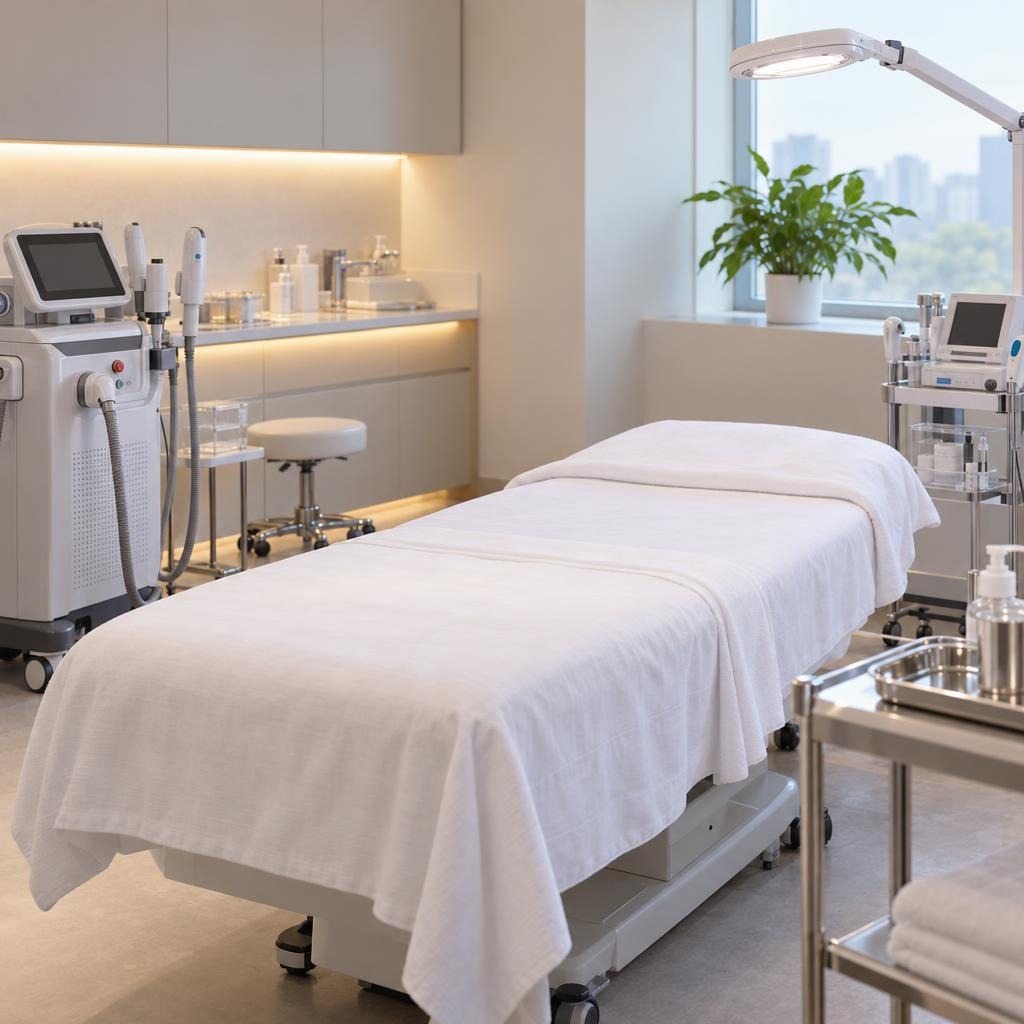
Laser toning devices targeting pigmentation, such as Q-switched Nd:YAG lasers, generally involve repeated sessions followed by sun protection and soothing care. Immediately after laser treatment, the skin barrier may become temporarily sensitive, so moisturizing and reducing irritation are central to post-treatment care. Therefore, lifestyle habits after laser treatment and consistent dermatological consultation are often considered together.
Frequently Asked Questions
If I receive laser treatment once, will facial blemishes not reoccur? If ultraviolet exposure and lifestyle habits that caused blemishes remain unchanged, new pigmentation may appear again, so it is better to continue care after laser treatment.
Can cleansing and moisturizing alone lighten blemishes? Cleansing and moisturizing protect the skin barrier but do not directly break down melanin pigment.
When should I seek medical consultation? If the shape, color, or size of blemishes suddenly changes or if itching or bleeding accompanies them, it is safer to have a medical examination.
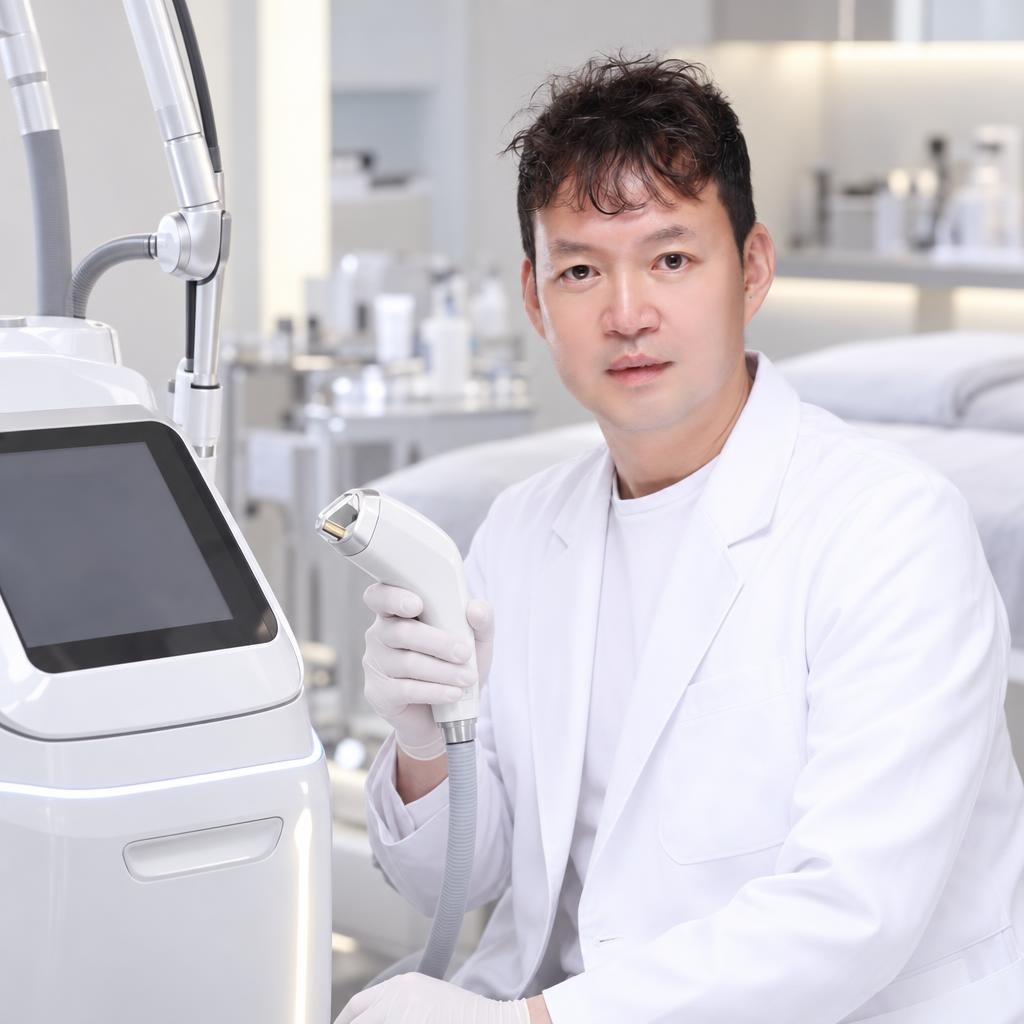
Even the same facial blemishes can progress differently depending on skin condition and lifestyle habits, and the final judgment should be made after direct examination during face-to-face consultation. Facial blemish laser treatment requires both repeated laser sessions and consistent post-treatment care to maintain results for a long time. If you are considering facial blemish management in Pyeongtaek, we recommend checking the causes and management directions of your blemishes now. If you are curious about your type of blemishes or laser treatment intervals, feel free to inquire via Chat Consultation.
This article was reviewed together by Director Park Min-soo (7th President of the Korean Laser Dermatology and Hair Society, Adjunct Professor at Hanyang University College of Medicine) and Director Lee Yu-seok (Vice President of the Korean Laser Dermatology and Hair Society, 20 years clinical experience). Last review 2026-11-10.