
Pyeongtaek Stem Cell Skin Regeneration: How Long Results Last and When to Start
How long the effects of stem cell skin regeneration care last differs from person to person. That is because the duration depends on your current skin condition and your everyday habits. Many people find that their skin's elasticity is not what it used to be even though they moisturize, and wonder when to start professional care.
In this article, we look in turn at the point when people start thinking about skin regeneration care, why sagging and loss of elasticity occur, moisturizing and sun protection at home, and the signs that lifestyle care has reached its limits. Rather than vague expectations, the starting point is to first identify what stage your skin is at.
When is stem cell regeneration care considered?
What we hear most often in the consultation room is that the skin seems to be sagging.
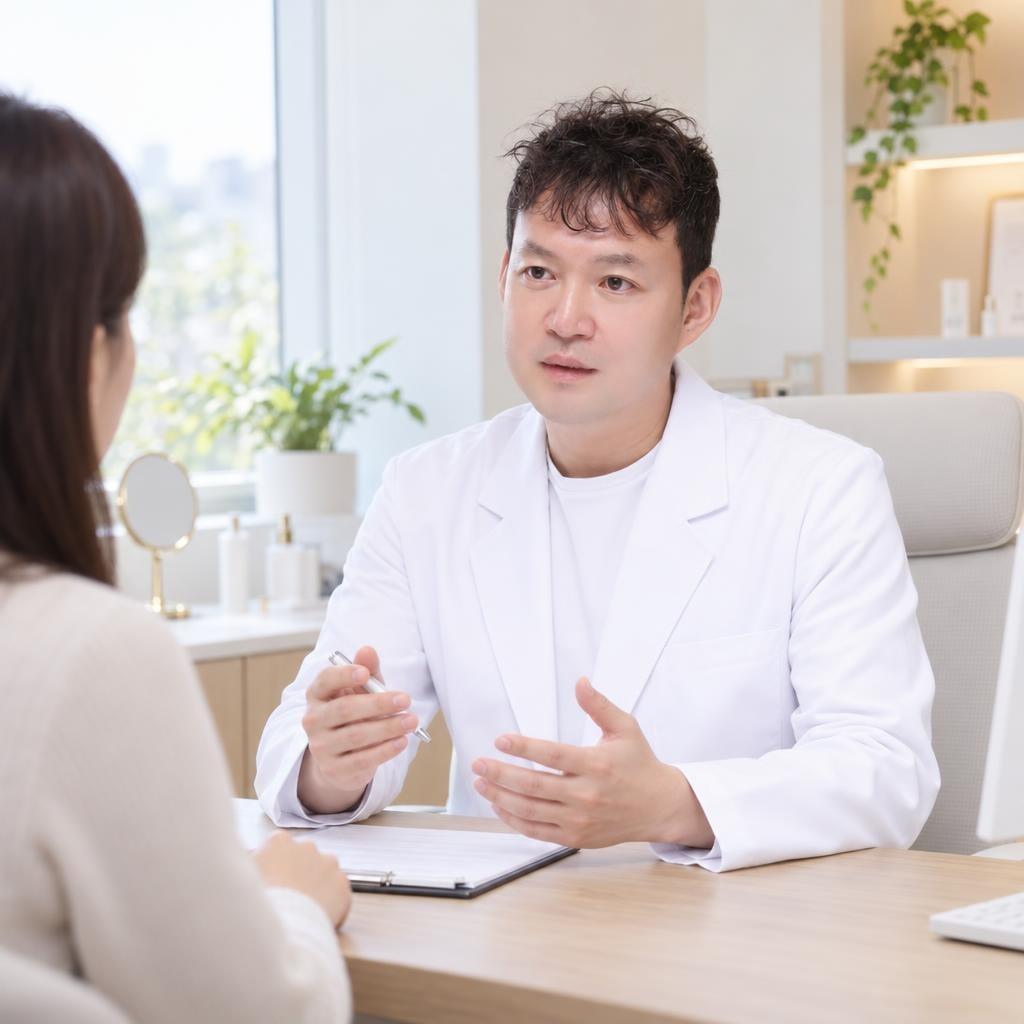
This feeling tends to arise when the dermis, the layer that supports the skin from below, becomes thinner. When elastic fibers decrease and the ability to hold moisture weakens, the skin surface sags downward and the complexion also looks dull. These changes tend to become more pronounced with age.
Eventually there comes a time when basic skincare products alone no longer seem to be enough. Many people look for care options again when their skin tone looks uneven, fine lines deepen, or they feel that their skin's ability to regenerate has itself declined.
Stem cell regeneration care is one of the options mentioned at this point. However, you should first understand that it does not suit every skin concern in the same way.
Why skin sags and loses elasticity
Sagging and loss of elasticity are changes that appear as the structure inside the dermis changes.

The collagen and elastic fibers that support the skin are known to decrease little by little over the years. As time spent in UV light accumulates, damage to this fibrous tissue can also speed up. When components that hold moisture, such as hyaluronic acid, decrease as well, the skin feels drier and thinner.
The tricky part is that this process progresses slowly, making it hard to notice on your own. If wrinkles linger for a long time after you smile or frown, or your cheeks feel like they are sinking downward, changes in the skin's structure may already have begun.
Lifestyle, sleep and nutrition can also affect how quickly these changes come.
Moisturizing and sun protection at home
The basics of home care are moisturizing and sun protection, and both are habits that protect the skin barrier. Broken down by ingredients, when to apply and points to watch, they look like this.
| Item | Moisturizing | Sun protection |
|---|---|---|
| Ingredients to look for | Hyaluronic acid and ceramides | Mineral or chemical UV filters |
| When to apply | After washing, before the skin dries | Before going out, even on cloudy days |
| Points to watch | Daily consistency matters more than applying a lot | Reapply at set intervals |
| What it does | Protects the barrier's moisture layer | Prevents damage that builds up from UV |
The trick with moisturizing is to apply it within a short time right after washing, before the moisture on the skin evaporates.
Products containing hyaluronic acid or ceramides help replenish the moisture layer on the skin surface. Even so, consistency without missing a single day makes a bigger difference than increasing the amount or frequency. UV light can reach deep into the skin even on cloudy days, so it is best to apply sunscreen every day regardless of the weather.
When you are outside, reapplying every two to three hours means less damage to the barrier. However, lifestyle care like this has difficulty reversing changes in skin structure that have already progressed.
What are the signs that moisturizing alone is not enough?
If your skin does not respond despite consistent moisturizing, it may be a sign that lifestyle care has reached its limits. If a single moisturizing cream used to keep you hydrated all day but your skin now quickly feels tight and dry, you should pay attention.
When the fibrous tissue that held the skin in place like an elastic band weakens, it also takes longer for a spot pressed with your finger to return to its original state.
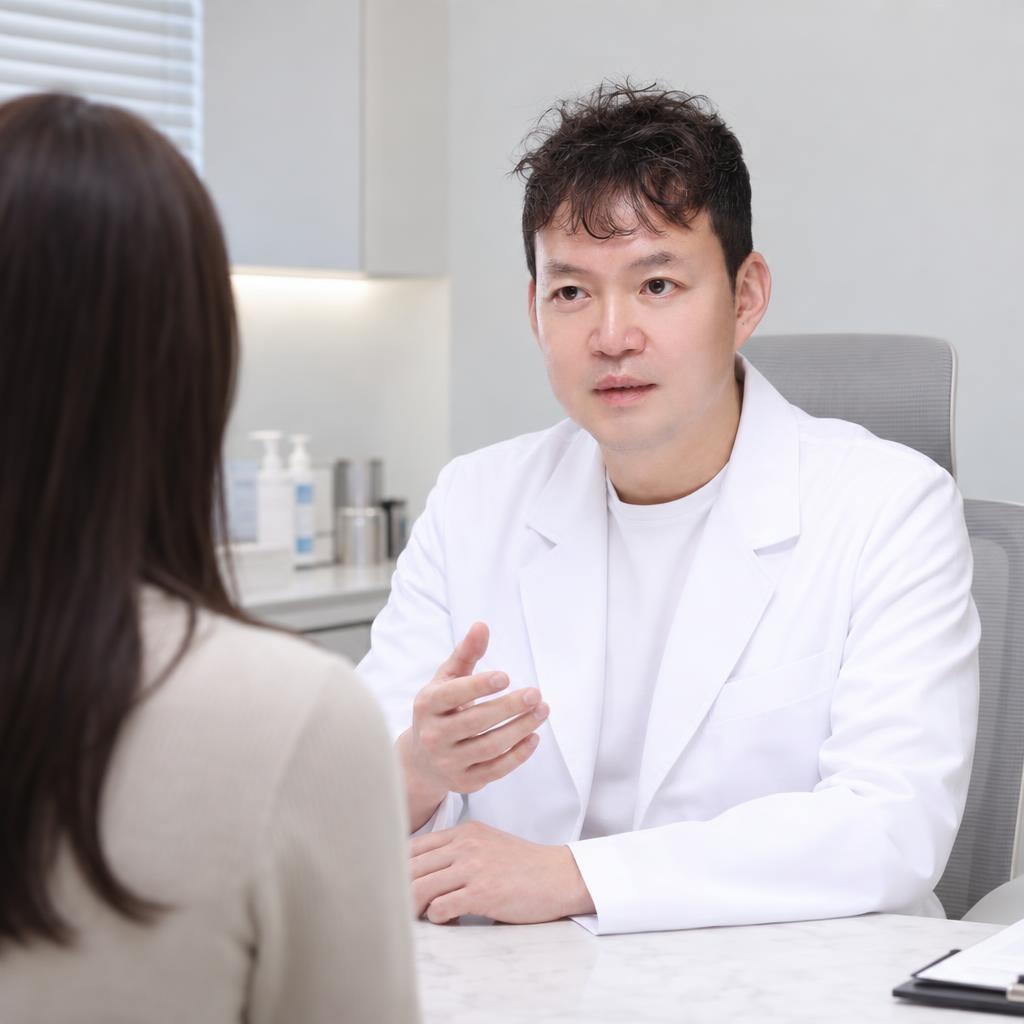
Taken together, these signs are as follows.
- Wrinkle marks remain for a long time after making facial expressions
- The lower cheeks feel heavy and saggy
- Makeup lifts and the skin texture is uneven
- The skin quickly becomes dry even after applying moisturizing cream
If these changes keep recurring, it is time to consider care that goes beyond simple moisturizing. This is usually around when stem cell regeneration care comes up for comparison.
What to organize before your visit
Going over your skin condition and lifestyle before the consultation makes the visit go much more smoothly. It helps to write down when you first noticed sagging or loss of elasticity and which area bothers you most.
Please also let us know about the cosmetics you currently use and any treatments you have had before. Because the way stem cell regeneration care is applied can differ depending on skin condition, the process of objectively checking your current skin thickness and elasticity must come first.
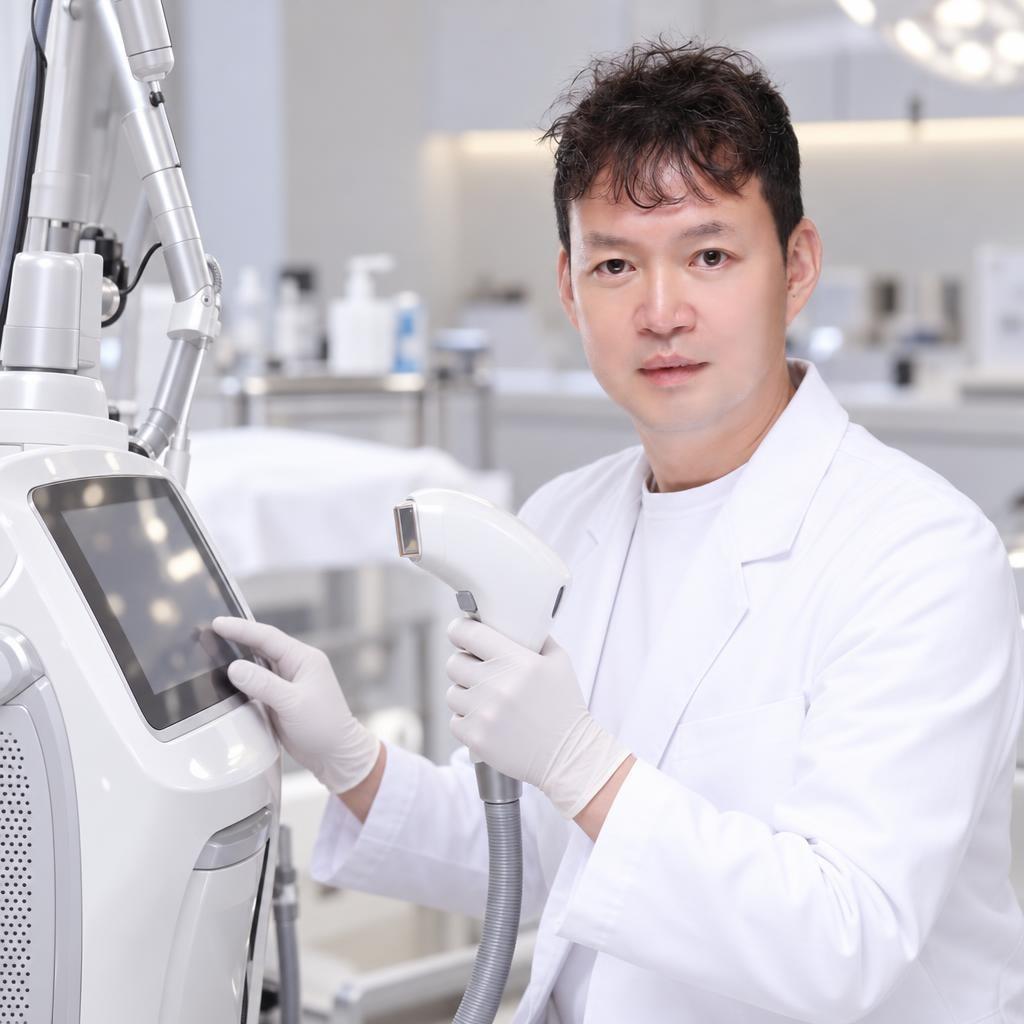
If you have had allergies or are taking any medications, please note these in advance as well. It reduces what gets missed in the consultation and serves as a reference for finding the direction that suits your skin.
Combining lifestyle care and treatment
Rather than relying on only one side, keeping lifestyle care and treatment going side by side is the balanced approach. Daily moisturizing and sun protection protect the foundation that is the skin barrier, and stem cell regeneration care can take on the role of supporting structural change on top of that foundation.
If you take care of only one, the balance easily falls apart on the other side again. Continuing your usual care habits even after treatment is important for keeping the results for a long time. Results vary from person to person depending on skin condition, and an accurate assessment is made by the medical team who look at your skin in person.
Keeping this balance in mind will also help when you come in for a consultation about your skin concerns.
Frequently asked questions
How long do the effects of stem cell regeneration care last?
The duration of the effects varies depending on each person's skin condition and lifestyle. Continuing moisturizing and sun protection after treatment is important for keeping the results for a long time.
Is age the only cause of sagging skin?
Besides the decrease in collagen and elastic fibers, accumulated UV exposure and a reduction in hyaluronic acid also play a role. Lifestyle, sleep and nutrition can also influence how quickly the changes happen.
Do I need to apply sunscreen on cloudy days too?
UV light can reach deep into the skin even on cloudy days, so it is best to apply it every day. When you are outside, the habit of reapplying every two to three hours helps.
What should I prepare before the consultation?
The consultation goes more smoothly if you bring notes on when you noticed sagging, the areas that bother you, the cosmetics you have used recently and your treatment history, as well as any allergies and medications.
In summary
The point at which to consider skin regeneration care is when the limits of what lifestyle care can handle overlap with changes in skin structure. If changes that are not resolved by moisturizing and sun protection keep recurring, it is best not to brush those signs aside.
What we have confirmed again and again through lectures and academic society activities is that an eye that steadily watches over the skin matters most. At a dermatology clinic in Pyeongtaek, we can also check your current skin changes with you and see whether stem cell regeneration care is right for you.
Last reviewed 2026-11-29. This article contains general medical information; individual diagnosis and treatment plans are decided through an in-clinic consultation.