
Pyeongtaek Mole Removal Recurrence: Causes of Returning Marks and Care
If marks start to reappear not long after mole removal, it is hard to blame it simply on not enough aftercare. The tendency to recur differs depending on how deep the mole sits and on your skin type. So before jumping straight to another round of treatment, the first step is to look at why the marks are coming back.
Recurrence involves a mix of factors: the nature of the mole itself, daily habits, UV exposure, and how your skin regenerates. In this article we go through the causes of recurrence one by one, and summarize how to continue care at home and which signs mean you should see a doctor.

Why marks reappear after mole removal
A mole comes back because the cells that make it up have taken root deep in the skin. If only the surface part is removed, the cells left underneath can start producing pigment again over time. Moles made of nevus cells often sit deep in the dermis, so treating them only at a shallow depth tends to leave marks behind.
The tendency to recur also varies by type of mole. Congenital moles tend to sit deeper than pigmented moles that develop later in life. And the more often an area is exposed to UV light, the more actively pigment is produced again.

The size and shape of a mole, and how far its pigment has spread, also change the likelihood of recurrence. A mole with a large diameter and irregular borders is more likely to have cells spread over a wide area, so even when treated at the same depth, the amount of mark left behind can differ. This is why mole removal done the same way can feel like it gives different results from person to person and from one area to another.
Habits that invite recurrence
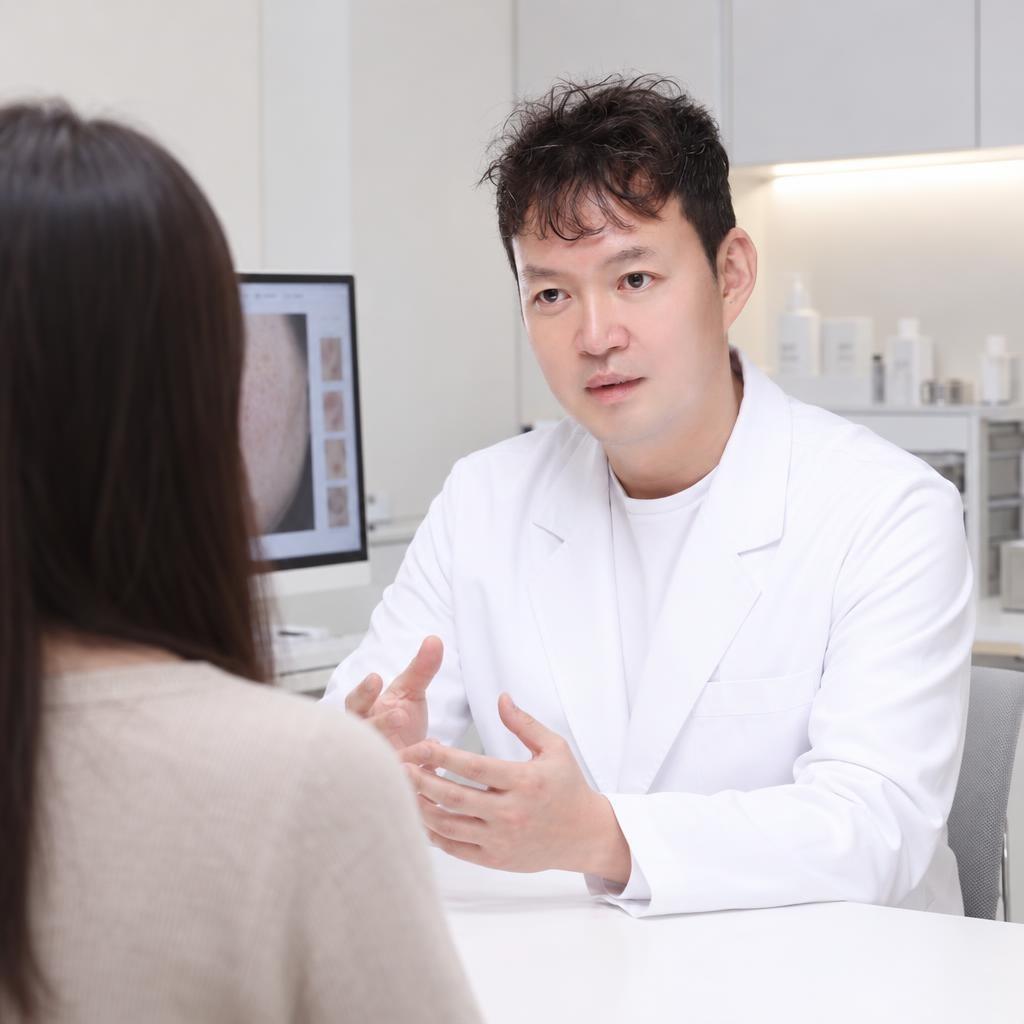
Daily habits clearly affect mole recurrence as well. The biggest factor is UV light. UV stimulates pigment-producing cells and can trigger the remaining cells to become active again. If the treated area is left uncovered and frequently exposed to sunlight, pigment may remain darker during the healing process.
- Using harsh skincare products right after treatment
- Picking scabs off by force
- A lifestyle where lack of sleep and stress slow skin regeneration
A balanced diet and plenty of fluids support your skin's ability to recover, which quietly helps aftercare following mole removal too. In other words, how you look after yourself after mole removal is one of the variables that shapes the result.
How are skin factors linked to recurrence?
Behind the pattern of recurrence lie the characteristics of the skin itself. Placing skin with active melanin production side by side with thin, sensitive skin makes the difference clear.
| Item | Skin with active melanin production | Thin, sensitive skin |
|---|---|---|
| When it recurs | Pigmentation is prominent | Reacts easily to irritation, so marks are likely to remain |
| Recovery | Color may slowly darken | Recovery tends to be slow |
| What to watch | Pigmentation may worsen with UV exposure | Vulnerable to friction and irritation |
| Care tips | Consistent sun protection | Focus on gentle, low-irritation products |
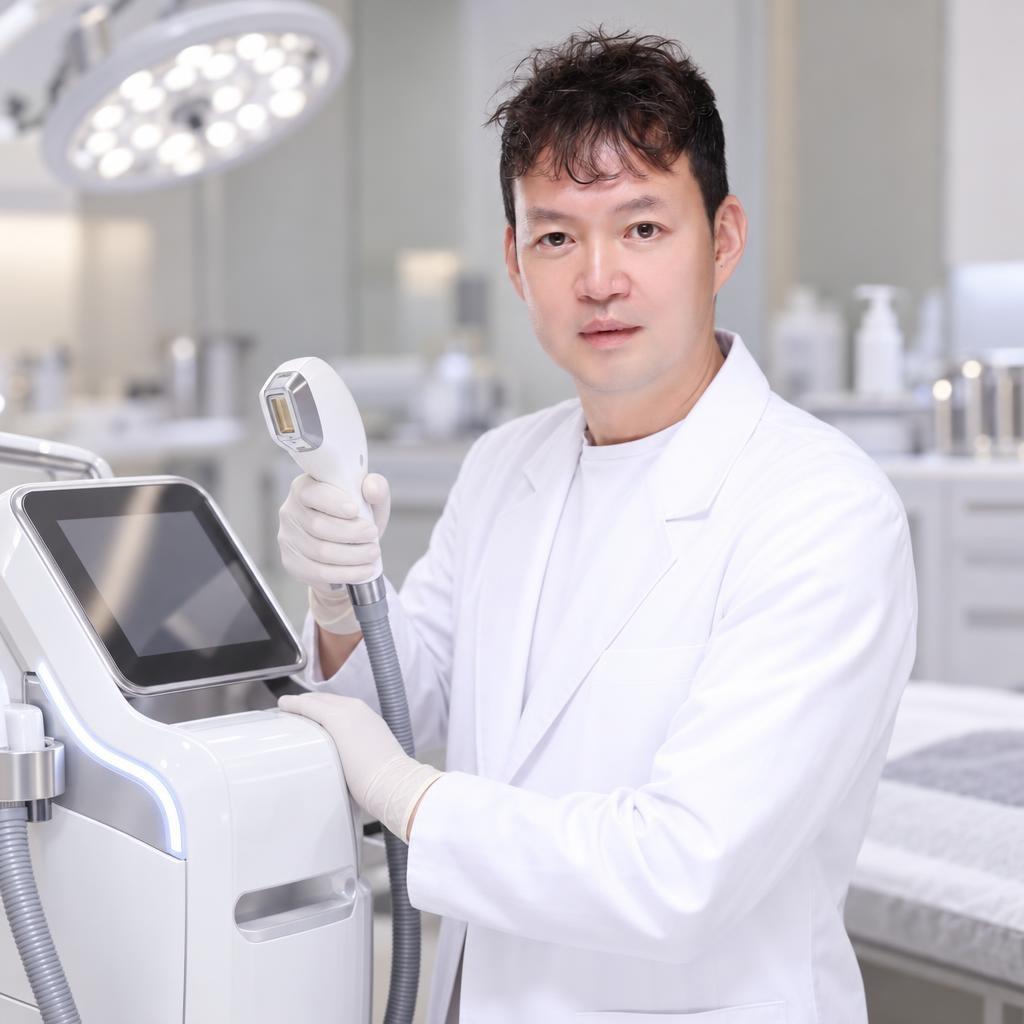
In areas with a lot of sebum or large pores, cell turnover is uneven, so marks may fade more slowly after mole removal. Skin with a genetic tendency toward pigmentation disorders is known to have a relatively higher rate of recurrence.
As we age, skin regeneration slows down and recovery can take longer, and during periods of major hormonal change, pigment cells may behave more sensitively than usual. This is why, even for the same area, the approach needs to be considered differently depending on the condition of the skin.

Because these constitutional differences are hard to spot with the naked eye, steady observation matters all the more.
Continuing care at home
The first thing to take care of at home is sun protection. The treated area is sensitive to pigmentation, so the habit of reapplying sunscreen regularly protects your recovery. Covering up once more with a hat or parasol when you go out is also a good idea.
If a scab has formed, wait until it falls off on its own. Pulling it off by force irritates the tissue underneath and can increase the chance of scarring or recurrence.

It is safer to apply a thin layer of moisturizer to protect the skin barrier and to pause exfoliating products or irritating ingredients for a while. During recovery, also try to avoid places with strong heat, such as hot saunas or hot baths. That said, home care alone cannot prevent every recurrence, so the progress after mole removal should be monitored together with your doctor.
Signs that you should see a doctor
If you notice the following changes, consider seeing a specialist before relying on home care.
- Redness in the treated area does not settle and lasts a long time
- The color gradually gets darker
- Borders that had become faint become distinct again
- The size slowly increases or the surface becomes bumpy
- Itching or oozing appears as well

Itching or oozing may also be a sign of an inflammatory reaction. With the naked eye, it is often unclear whether such changes are a recurrence, so keeping photos of your progress after mole removal makes comparison easier. Taking pictures regularly at the same angle and in the same lighting helps you catch even small changes in color or size. As the record builds up, it becomes a reference for telling natural healing apart from changes that need attention.
Frequently asked questions
If a mole recurs after removal, do I need treatment again?
Rather than automatically repeating the procedure, it is better to first check why the mark came back. The approach differs depending on your skin type and the cause of recurrence.
Will the marks fade with consistent care?
Recurring marks can be reduced to some extent with consistent care, but the result is not the same in every case.
Do congenital moles recur more easily?
Congenital moles tend to sit deeper than acquired pigmented moles, so treating them only superficially tends to leave marks.
How should I record my progress?
Taking photos regularly at the same angle and in the same lighting makes it easier to compare small changes in color and size.
In summary
For recurring marks, it is important to keep up basic care such as sun protection and moisturizing, and not to judge on your own when changes appear. Even for the same area, the direction of care can differ depending on your skin condition and lifestyle.
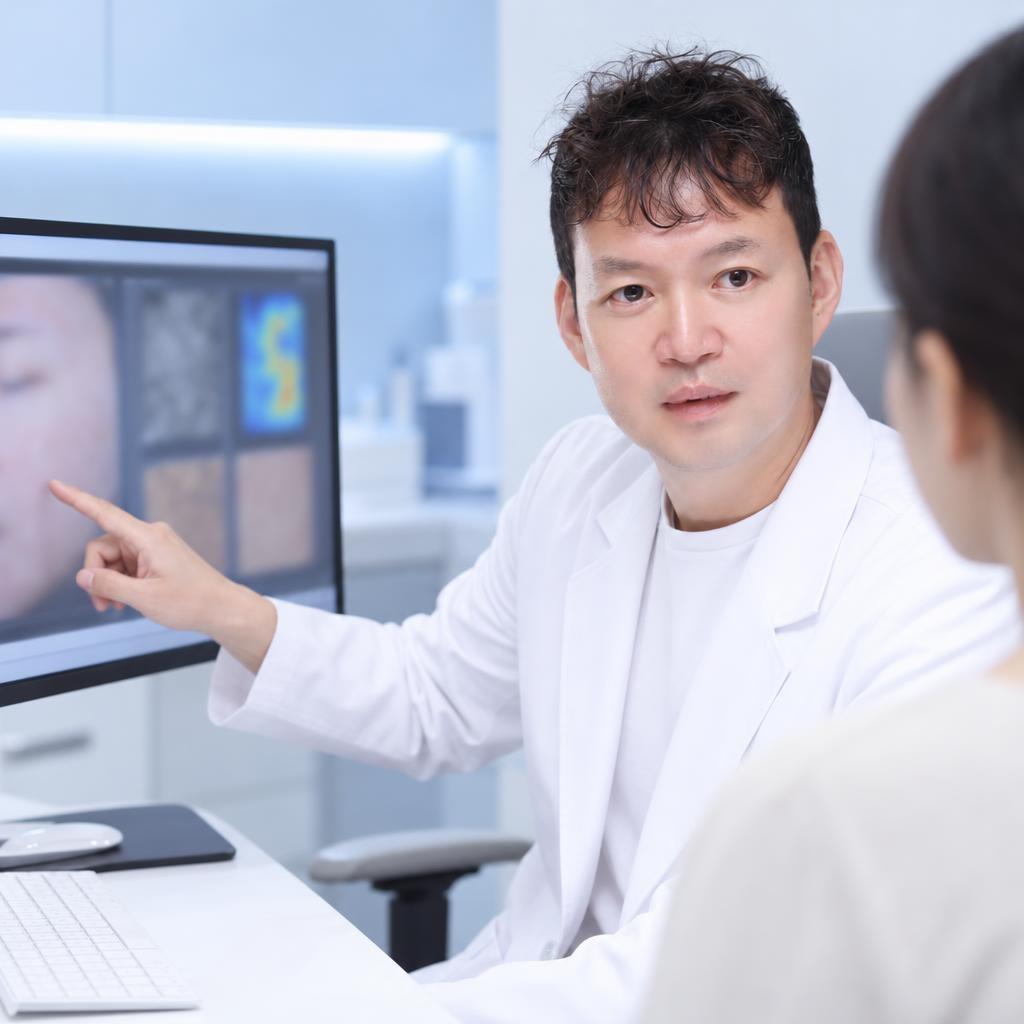
If you are thinking about aftercare following mole removal in Pyeongtaek, take the time to check the cause of recurrence step by step through a consultation at a dermatology clinic. Results vary from person to person, and an accurate assessment is made through an in-person examination by our medical team.
Last reviewed 2026-11-29. This article contains general medical information; individual diagnosis and treatment plans are decided through an in-clinic consultation.